

From a confused childhood in Surrey to the Yardbirds, Cream, Layla, addiction, loss, & late-career reinvention, Eric Clapton built one of the longest & most influential careers in modern guitar music
Eric Clapton’s story begins with confusion long before it begins with success.
He was born in 1945 in Ripley, Surrey, at the end of the Second World War. His mother, Patricia Clapton, was only sixteen. His father, Edward Fryer, was a Canadian soldier who returned to Canada before Eric was born.
He was raised by his maternal grandparents, Rose and Jack Clapp. For years, he believed they were his parents and that his real mother was his sister. That arrangement left a mark on him that never fully disappeared. It created distance, uncertainty, and a strong sense that his life had started in emotional disorder.
He grew up quiet, isolated, and often difficult. He was not shaped by comfort, even though his home life looked stable from the outside.
Music became the place where things made more sense. He received a cheap acoustic guitar for his thirteenth birthday, lost interest at first because it was hard to play, then returned to it with more seriousness a couple of years later. Once he did, he became obsessive.
That obsession was important because Clapton did not learn casually. He taught himself by playing along to records, recording his own playing on tape, listening back, correcting mistakes, and repeating the process.
He was drawn first to folk-blues and country-blues figures such as Big Bill Broonzy, Blind Boy Fuller, and Ramblin’ Jack Elliott, then more deeply into urban electric blues through players like B.B. King, Buddy Guy, and Freddie King.
These musicians influenced him and gave him a method. Feel, phrasing, and tone mattered more than speed.
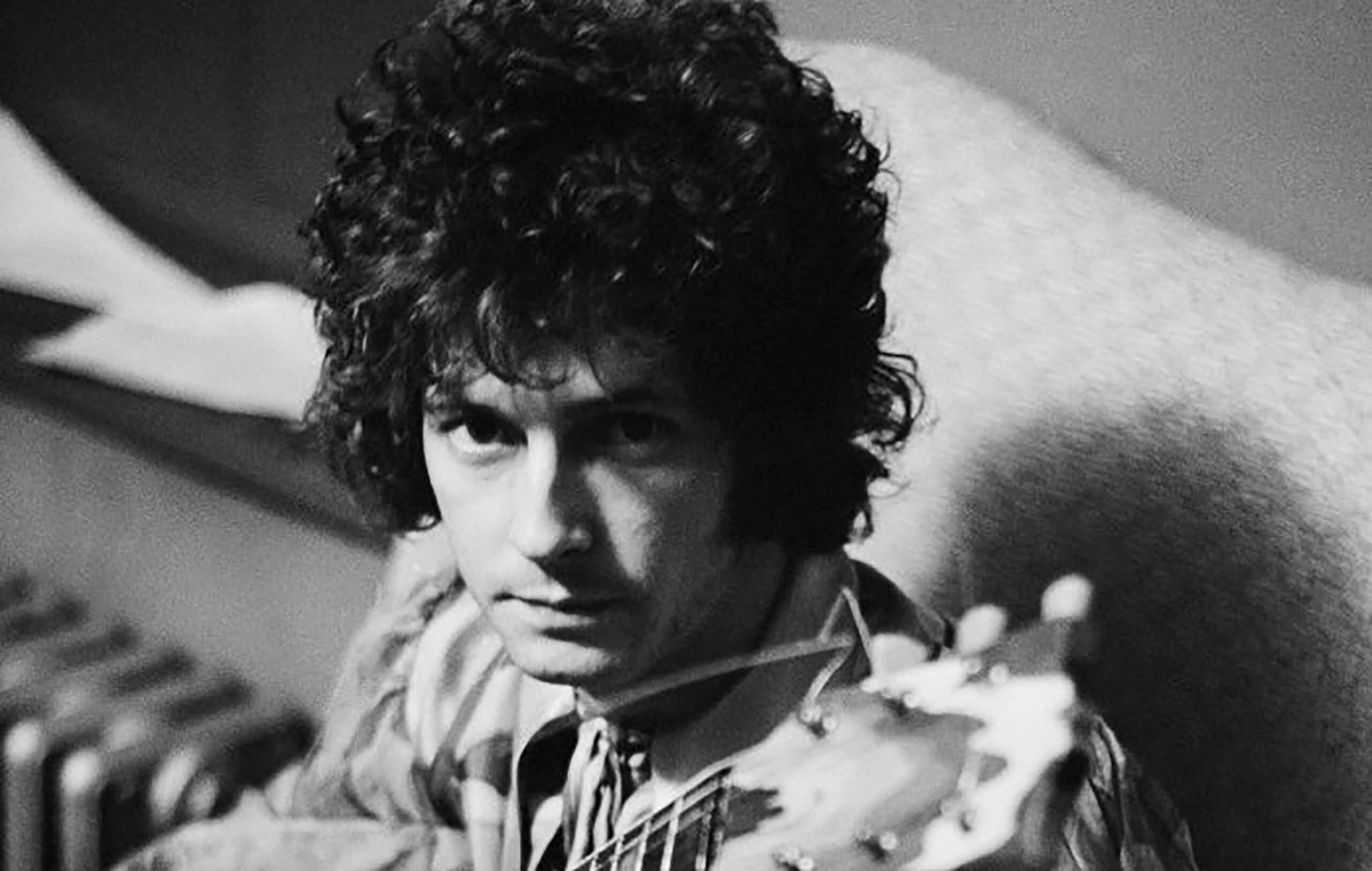
He briefly studied stained-glass design at Kingston College of Art, but his interest in guitar was already stronger than his interest in formal education. He was expelled, began busking in and around London, and slowly entered the club scene.
By 1963, he had joined the Roosters, one of the early British rhythm and blues groups. This was not yet fame, but it was the first step into a circuit in which the blues was becoming central to a new generation of English musicians.
His next move placed him directly into that movement. In late 1963, he joined the Yardbirds, a band that had inherited the Crawdaddy Club rhythm and blues slot once associated with the Rolling Stones.
The Yardbirds were still rooted in blues when Clapton entered, and his guitar playing quickly became one of their selling points. He was already building a reputation as a serious player, someone committed to blues language rather than pop construction.
This is also where the “Slowhand” nickname emerged. The story is often misunderstood. It was not a comment on lazy playing. It grew from the slow handclaps audiences gave while he changed broken strings on stage. Promoter Giorgio Gomelsky turned that into a name, and it stayed with him.
Clapton’s time with the Yardbirds ended because of principle as much as style. In 1965, the band released “For Your Love,” a more pop-oriented single that moved away from the blues identity Clapton wanted to protect.
He left disconnected on the day it was released. That decision established something that remained true for much of his career. He was deeply ambitious, but he also wanted legitimacy inside the blues tradition. He did not want to become a pop guitarist by accident.
That led him straight to John Mayall and the Bluesbreakers. His work with Mayall in 1965 and 1966 transformed his standing. The Beano album, officially titled Blues Breakers with Eric Clapton, made him a guitar hero in Britain. More importantly, it changed the guitar tone.
Switching to a Gibson Les Paul through a Marshall amplifier, he produced a thicker, sustaining sound that pushed blues guitar toward hard rock. This is one of the key technical turning points in British rock history. It was not just about solos. It was about weight, sustain, and attack.
Around this period, the phrase “Clapton is God” appeared as London graffiti. He hated it. He was embarrassed by the slogan, but it captured how quickly his status had grown. The larger problem was that public myth was beginning to outpace the man himself.
In 1966, he left Mayall and formed Cream with Jack Bruce and Ginger Baker. Cream was one of the first major supergroups and one of the most important bands in the development of blues-rock, psychedelic improvisation, and power-trio format.
Their music moved beyond strict blues forms into extended structures, volume, and freer interaction. Songs such as “Sunshine of Your Love,” “White Room,” “Crossroads,” and “Spoonful” helped define late-1960s rock guitar language. Clapton’s playing was central, but Cream was never just a guitarist’s band.
Bruce brought harmony and composition; Baker brought a volatile rhythmic force; and the tension between them created both energy and instability.
Cream’s lifespan was short. Personality clashes, ego, drugs, exhaustion, and critical backlash wore them down. They broke up in 1968 after only a little more than two years. What remained was a major legacy.
Cream made Clapton globally famous, but it also pushed him further into a role he increasingly disliked. He did not want to spend his life proving he was a guitar god.
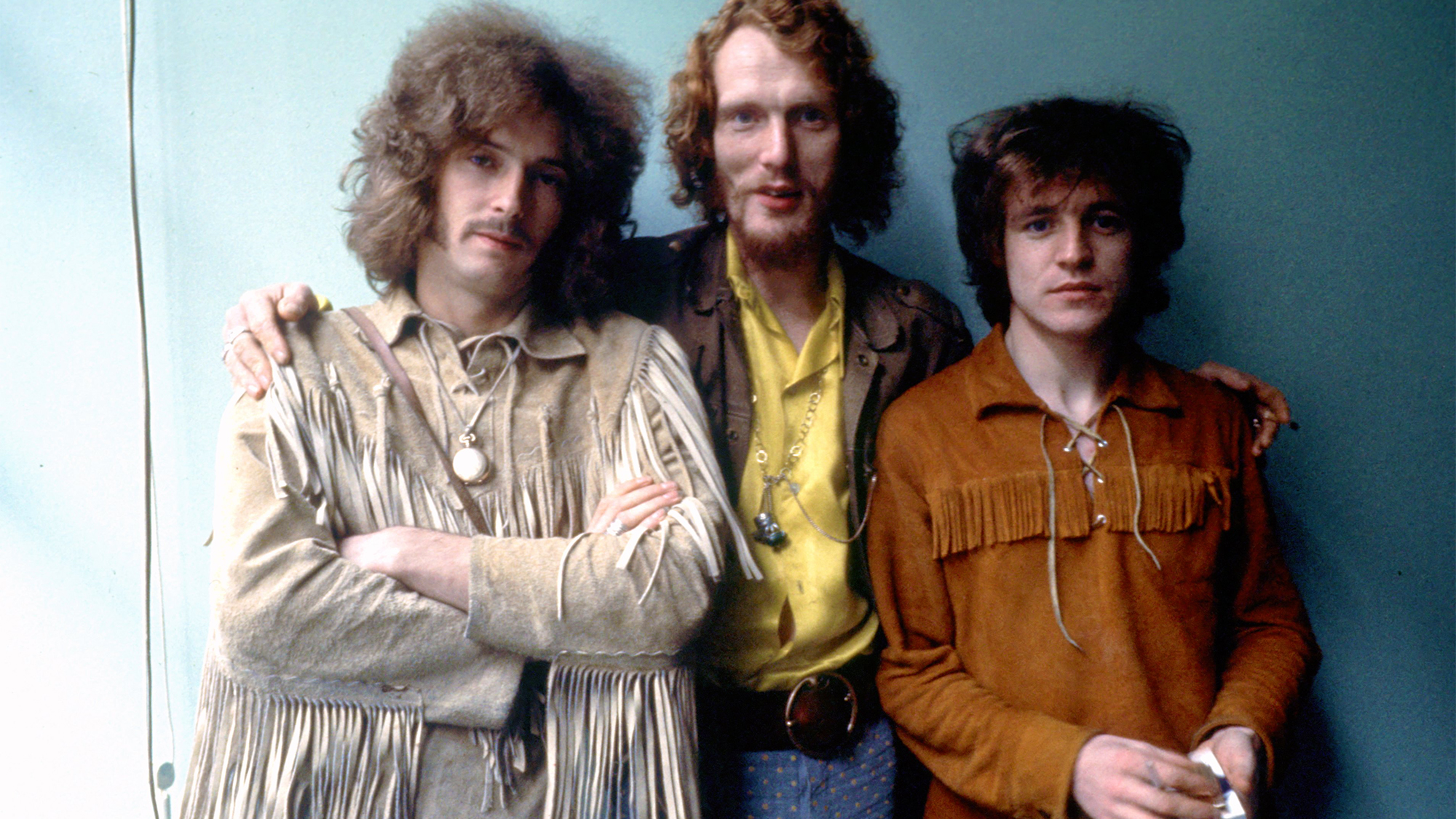
After Cream, he formed Blind Faith with Steve Winwood, Ginger Baker, and Ric Grech. The band was huge before it had properly begun. Their Hyde Park debut drew a massive audience.
Their only album included “Can’t Find My Way Home” and “Presence of the Lord,” the latter being Clapton’s first fully credited statement as a songwriter with spiritual direction. But Blind Faith collapsed quickly under hype and internal pressure.
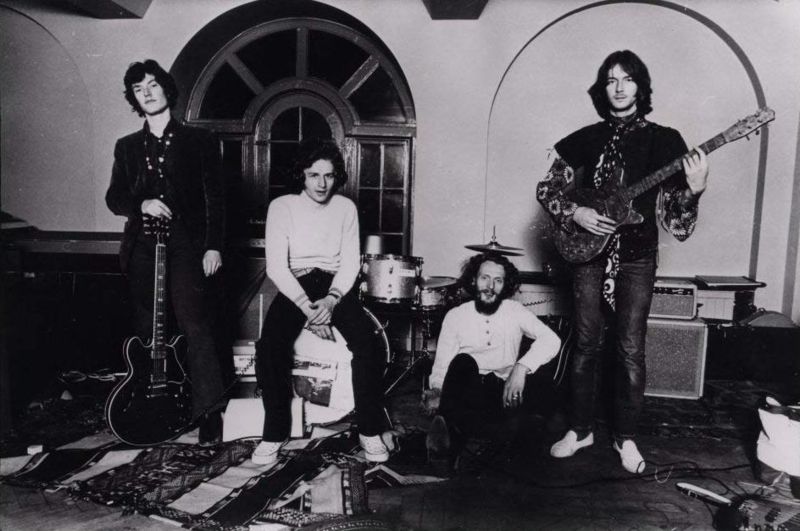
Around this time, Clapton moved toward a more relaxed, song-focused musical style through Delaney and Bonnie and their group. That period was important because it boosted his confidence as a singer and bandleader.
His first solo album, Eric Clapton in 1970, included “After Midnight,” a J.J. Cale song that became an early solo hit and revealed something important about his taste. Clapton often gravitated toward understated writers. He liked groove, feel, and songs that left room.
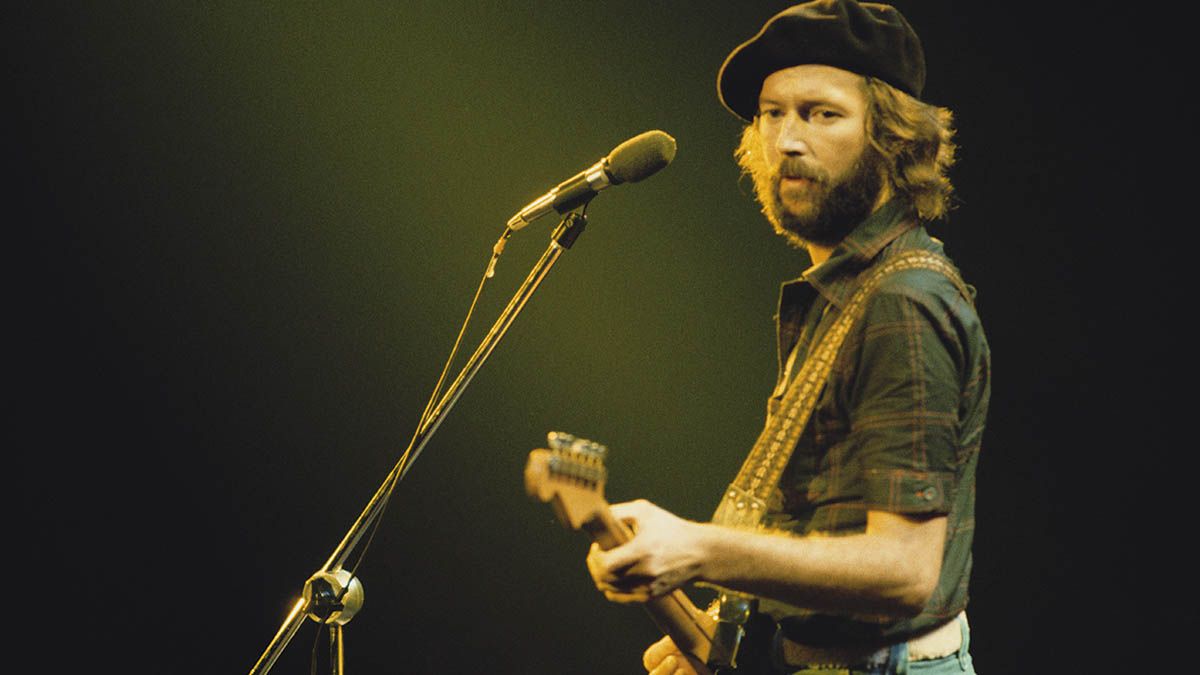
His creative peak, for many listeners, came next. Derek and the Dominos gave him a way to escape his own fame. The band included Bobby Whitlock, Carl Radle, and Jim Gordon, and their 1970 double album Layla and Other Assorted Love Songs remains one of the strongest records they ever made.
Its center was Pattie Boyd, then married to George Harrison. Clapton’s love for her had become an obsession, and the title track “Layla” translated that obsession into sound. The riff is desperate and immediate. The lyrics are direct. The emotional pressure is constant.
Duane Allman’s involvement in the sessions added another level. His slide guitar work turned the record into something larger than a personal confession. Tracks like “Bell Bottom Blues,” “Why Does Love Got to Be So Sad,” and “Have You Ever Loved a Woman” show Clapton at his most emotionally open and musically alive.
Yet the band itself unraveled quickly. Drug use, instability, and poor commercial response at the time damaged the project. Later events made the story even darker.
Duane Allman died in 1971. Jim Gordon’s life collapsed into mental illness and violence. Carl Radle died in 1980. The album became legendary, but the band around it became tragic.
The 1970s brought recovery, rejuvenation, and damage. Clapton fell deeply into heroin addiction. He withdrew from public life and nearly disappeared. Pete Townshend helped bring him back through the Rainbow Concert in 1973.
That return led to 461 Ocean Boulevard in 1974, a quieter, more song-driven album that included “I Shot the Sheriff.” The song became his first number-one single and introduced reggae to large rock audiences in a new way. It showed that Clapton could shift away from heavy blues-rock and still remain convincing.
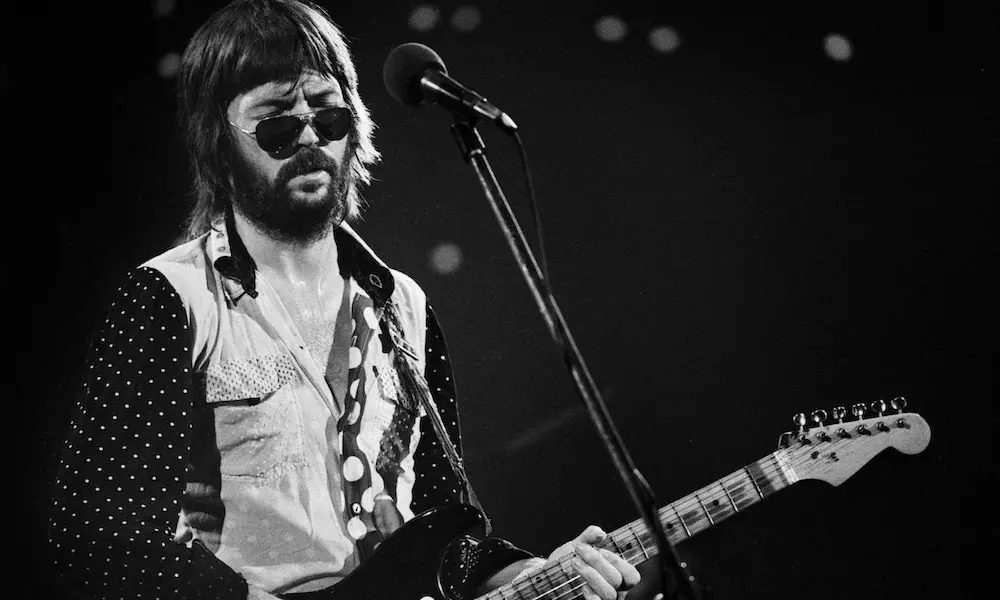
The rest of the decade showed a more controlled solo artist. There’s One in Every Crowd, No Reason to Cry, and Slowhand built a mature phase.
Slowhand in particular became one of his key albums. It carried “Cocaine,” “Lay Down Sally,” and “Wonderful Tonight.” “Wonderful Tonight” came from his relationship with Pattie Boyd, whom he eventually married in 1979 after years of longing and complications.
The marriage itself did not last, but the song outlived it and became one of the defining soft-rock ballads of the era.
By the 1980s, heroin was behind him, but alcoholism was not. He entered treatment, returned, relapsed, entered treatment again, and eventually credited sobriety, Christianity, and Alcoholics Anonymous with saving his life. Musically, he moved into a more polished sound.
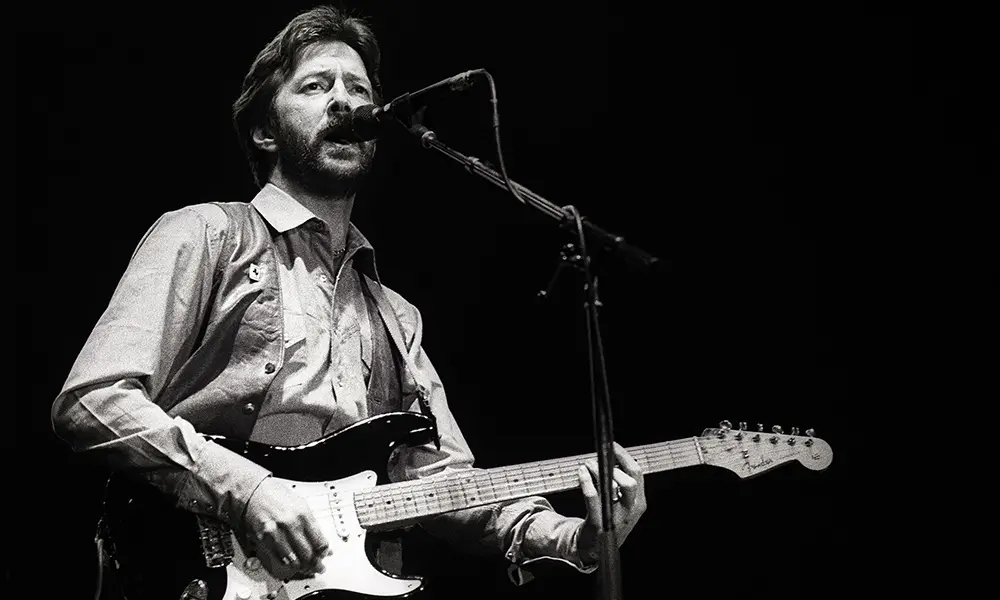
Albums such as Behind the Sun, August, and Journeyman brought a slicker production style, often shaped by Phil Collins and other contemporary collaborators.
Some listeners prefer the rawer, earlier work, but this era kept Clapton commercially visible and produced important songs such as “Forever Man,” “It’s in the Way That You Use It,” and “Bad Love.”
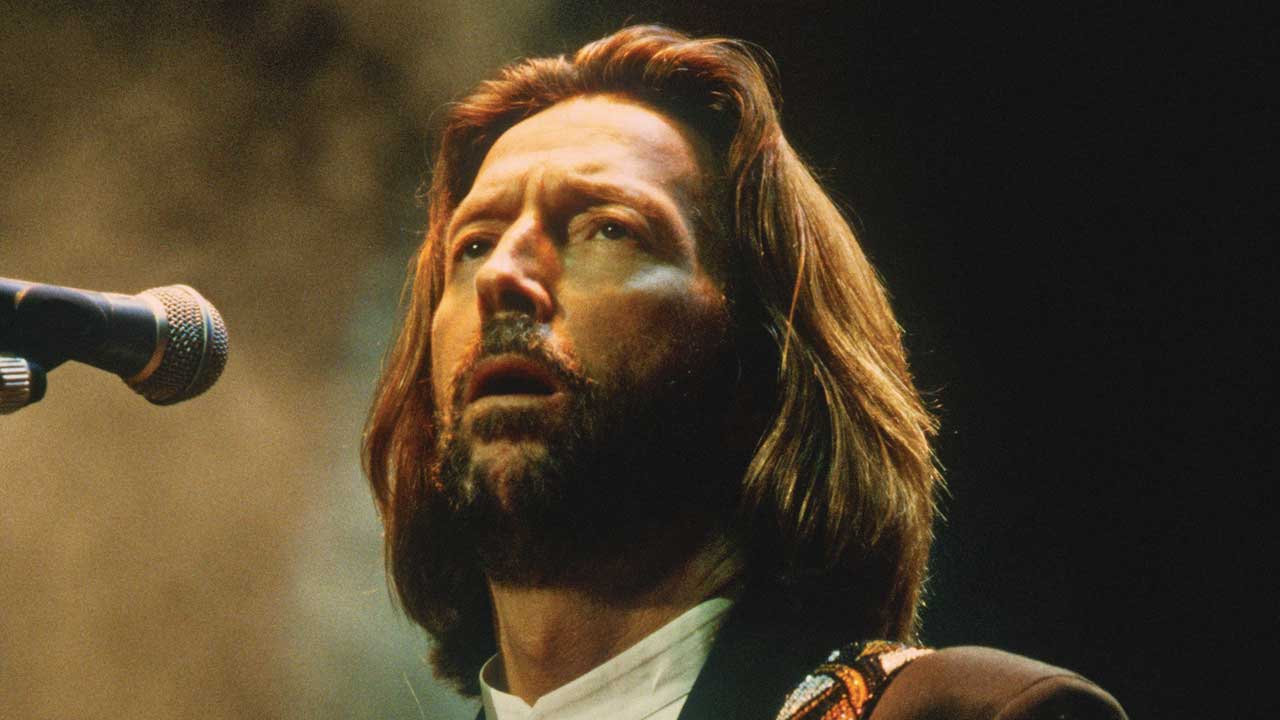
Then came the deepest personal loss of his life. In 1991, his four-year-old son Conor died after falling from a New York apartment window. That tragedy changed Clapton permanently. “Tears in Heaven,” written in the aftermath, became one of the most painful and widely recognized songs of his career.
It was followed by Unplugged in 1992, a major commercial and artistic success. The acoustic reworking of “Layla” showed how far his style had moved from the electric excess of Cream. The playing was restrained, the singing more intimate, and the album became one of the best-selling live records ever released.

Later work, such as From the Cradle, returned him fully to blues covers, recorded with respect for old forms and old tones. Pilgrim, in 1998, brought a more modern production style and songs like “My Father’s Eyes,” which linked the father he never knew to the son he lost.
That song captures another constant in Clapton’s life. Family confusion was not something he left behind in childhood. It kept returning in different forms.
Across six decades, Clapton moved through several identities. Blues purist in the Yardbirds. Tone innovator with Mayall. Supergroup guitarist in Cream. Romantic obsession in Derek and the Dominos. Song-oriented solo artist in the mid-1970s. Polished adult-rock figure in the 1980s. Grieving father and acoustic interpreter in the 1990s. Elder blues traditionalist after that.
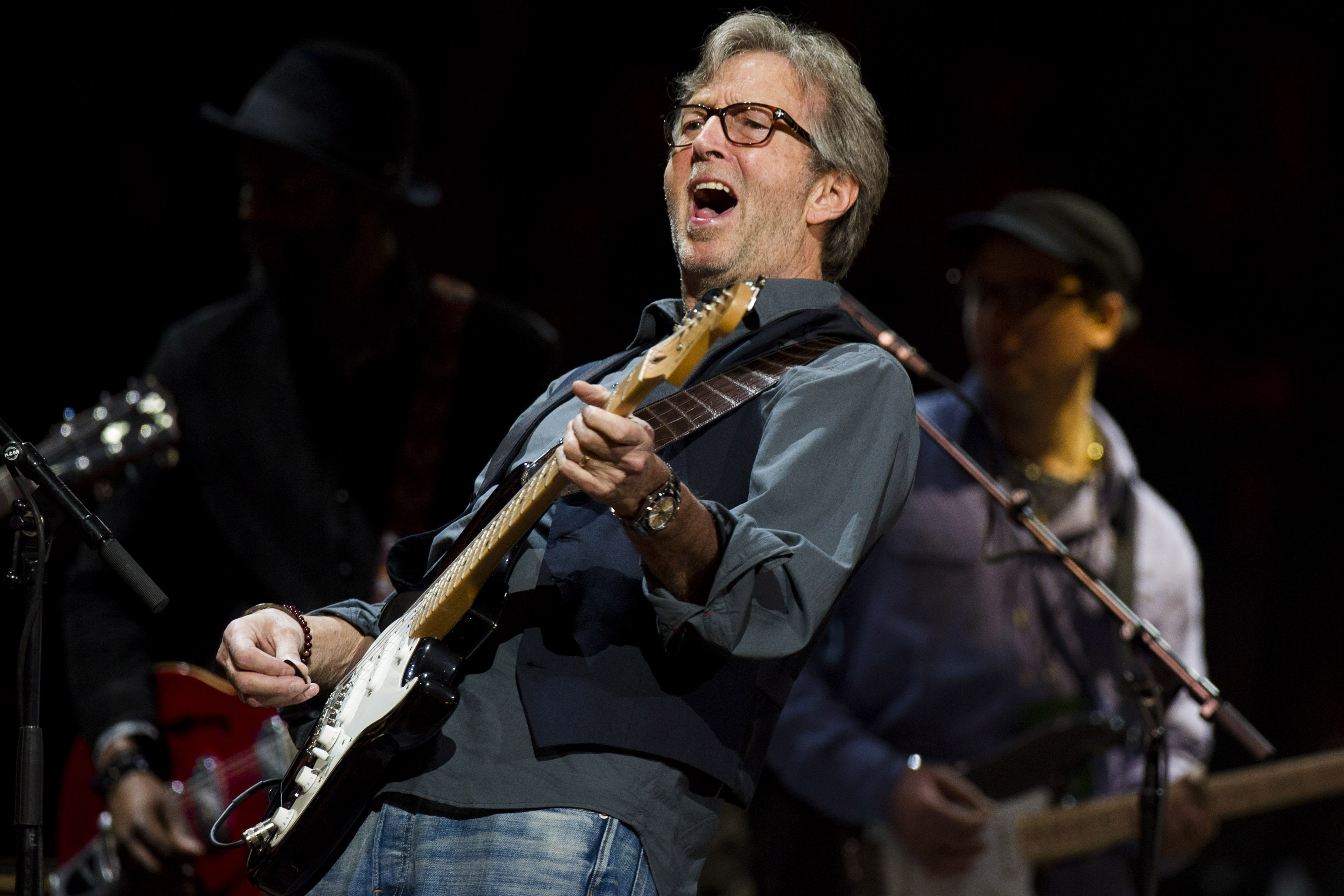
His skills were never limited to lead guitar. He learned arrangement, dynamics, phrasing, vocal understatement, and band construction over time. He could adapt to different musical settings without losing touch with blues language. That is a major reason he lasted so long. He was not trapped in one era.
Eric Clapton’s legacy is complicated because his life is complicated. The guitar playing is central, but it is not the only reason he matters. He absorbed American blues deeply, carried it into British rock, changed guitar tone in the 1960s, helped create the power trio, shaped blues-rock phrasing, and then kept adjusting as popular music changed around him. Few careers hold that much history without becoming repetitive.
His life in music is long enough to contain several different artists inside one name.

Your retrospective on Eric Clapton captures the essential paradox of his career: a man who became a “God” to the public while feeling like an interloper in his own family and a student in his own craft.
Great to have your voice on Substack. I have subscribed and look forward to reading more. I would love you to do the same, if my writing resonates.
Thanks my friend, really appreciate
your valuable comments and support
You’re welcome – keep up the great work! I’d love to hear your thoughts, if you did get an opportunity to read any of my writing.
Thanks again and I will definitely check it out!
You’re welcome and thank you!