
How a Bellevue Basement Band Redefined Heavy Metal as High Art
In the early 1980s, while the rock world was leaning into the raw energy of punk or the flashy showmanship of hair metal, a group of musicians in Bellevue, Washington, was quietly planning a revolution.
Queensrÿche emerged not just as a band, but as a collective of musical architects. By blending the dual-guitar attack of heavy metal with the complex narratives of progressive rock, they sold over 20 million albums and created a blueprint for an entire genre.
From their early days in a garage dubbed “The Dungeon” to headlining global festivals in 2026, their journey is a testament to the power of musical evolution.
The Foundation and the Dystopian Warning
The story began in 1980 with a band called The Mob, featuring guitarists Michael Wilton and Chris DeGarmo, drummer Scott Rockenfield, and bassist Eddie Jackson. They soon recruited Geoff Tate, a vocalist with a staggering four-octave operatic range.
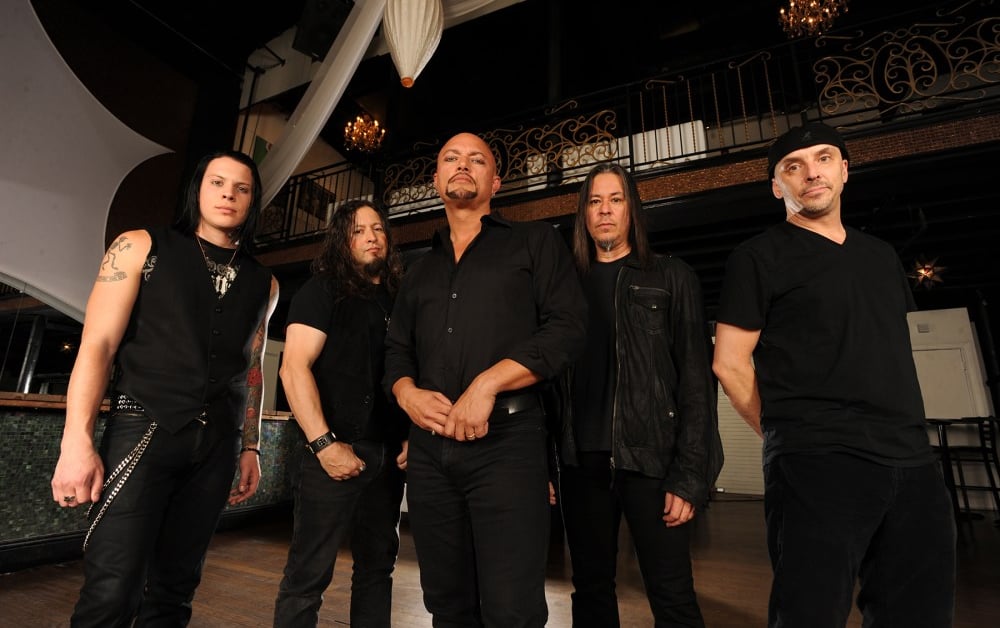
Their self-titled EP, Queensrÿche, was their debut, released independently in 1982 on 206 Records and reissued the following year on EMI America Records. It was a lightning bolt in the underground scene, but their 1984 debut full-length album, The Warning, signaled their arrival as a force to be reckoned with.
Recorded in London with producer James Guthrie, who had worked with Pink Floyd, the album was a cinematic experience. It featured the fan favorite “Take Hold of the Flame” and the nearly ten-minute epic “Roads to Madness.”
Despite the band’s frustration at the record label’s change to the tracklist against their wishes, the album’s dystopian themes of technology and control set them apart from their peers. It was a record that stood on the edge between traditional heavy metal and something far more experimental.

The Shift to the High-Tech Future
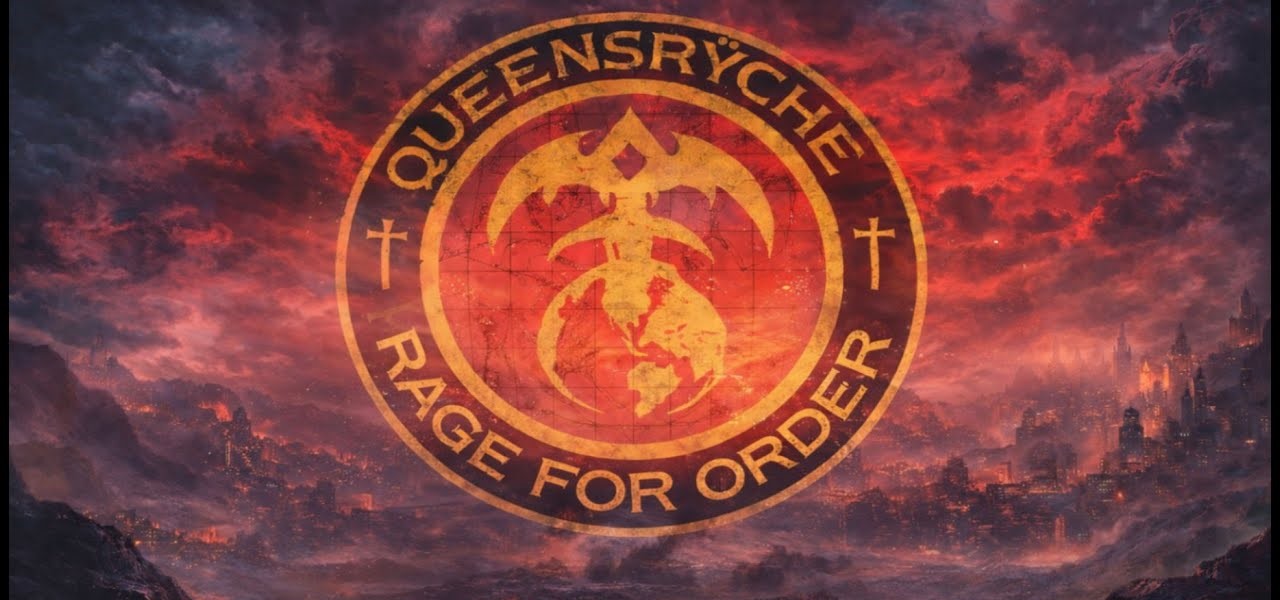
In 1986, Queensrÿche took a massive creative risk with Rage for Order. They traded their leather jackets for a “hi-tech” look and moved toward a cold, futuristic sound.
This album brought keyboards to the forefront of the mix and explored themes such as artificial intelligence and government surveillance. The band used digital recording tricks like “reverse echo” to make the music feel robotic and precise.
Songs like “Screaming in Digital” and “Walk in the Shadows” showed a band unafraid to challenge their audience. While some fans were surprised by the change, the album became a cult classic. It served as the essential bridge between their early metal roots and the conceptual genius they were about to unleash on the world.
The Conceptual Peak of Mindcrime and Empire
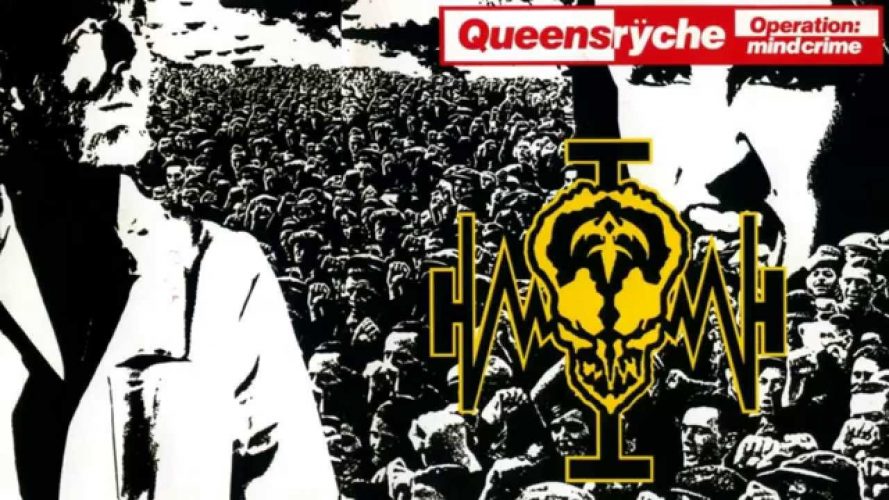
In 1988, the band released what is widely considered the greatest progressive metal concept album ever: Operation: Mindcrime. This was a full rock opera that followed a character named Nikki, a drug addict manipulated by a mysterious leader called Dr. X.
The story was told through a mix of heavy riffs, sound effects, and guest singers like Pamela Moore. Tracks like “Eyes of a Stranger” and the 11-minute “Suite Sister Mary” turned the album into a massive success, proving that metal could be as deep and complex as a film.
They followed this in 1990 with Empire, an album that shifted toward a more melodic art-rock style. This record became a triple-platinum smash, driven by the orchestral ballad “Silent Lucidity.” Arranged by legendary film composer Michael Kamen, the song became a global hit and earned the band two Grammy nominations.

During this era, Queensrÿche was not just a metal band; they were one of the biggest musical acts in the world.
Introspection in the Log Cabin
After the massive success of Empire, the band retreated to a secluded log cabin on San Juan Island to record 1994’s Promised Land. This was their most personal and atmospheric work yet. Instead of writing hits, they focused on “the vibe,” using natural sound effects and acoustic textures to explore themes of success, family, and the human psyche.
The recording sessions lasted for months with no deadlines, resulting in an album that sounded like nothing else in the metal world. It was a deeply textured record that rewarded listeners who used headphones to catch the subtle layers of guitar and sound.
While it was less commercial than Empire, it remains many fans’ favorite example of the band’s artistic bravery.

Rebirth and the Modern Renaissance
The band eventually reached a major turning point in 2012 when they parted ways with their original singer. However, this led to a powerful revival. With new vocalist Todd La Torre, the band returned to the aggressive, riff-heavy style of their early days.
Albums like The Verdict (2019) and Digital Noise Alliance (2022) were praised as a true return to form, recapturing the “fire” that made them pioneers in the first place.
Today, in March 2026, Queensrÿche is as active as ever:
Current Recording: The band is currently in the studio with producer Zeuss, working on their 17th studio album. Michael Wilton and Mike Stone are collaborating on nearly 20 new song concepts that push the boundaries of their “Rÿche-ian” sound.
2026 World Tour: They are currently headlining a massive tour, with a European leg starting in June that includes major stops at Hellfest and Graspop.
The Lineup: The 2026 unit consists of Michael Wilton, Eddie Jackson, Todd La Torre, Mike Stone, and drummer Casey Grillo.
By turning industrial noise and complex philosophy into anthems, Queensrÿche built a legacy that reshaped the world of rock. They proved that heavy music doesn’t just have to be loud; it can be a window into the future and a mirror for the soul.