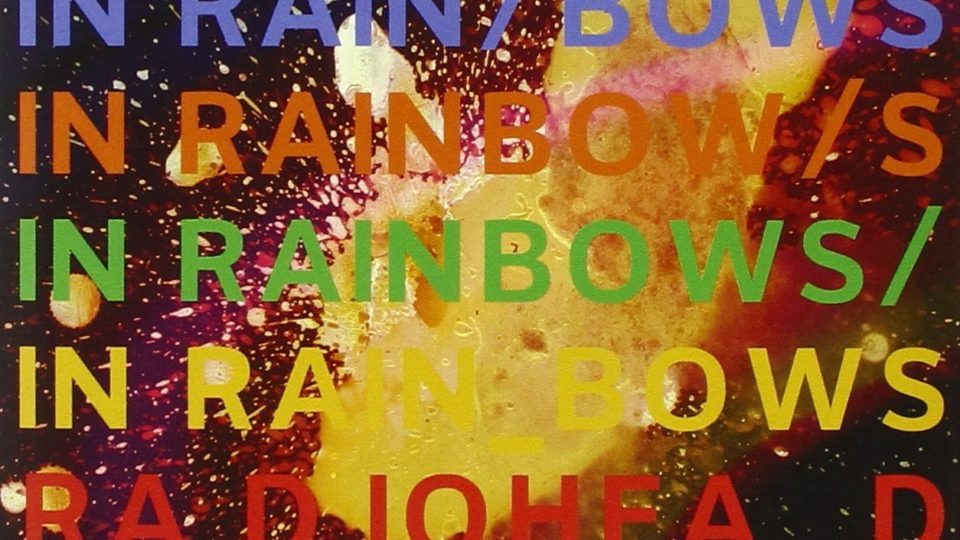

On October 10, 2007, they put In Rainbows on their website. Fans chose their own price. No minimum. You could type “0” and download the entire album free.
October 10, 2007.
I remember when Radiohead announced they were releasing their new album, In Rainbows, directly to fans, without a record label. No iTunes. Just through their website.
And you could pay whatever you wanted. Literally anything. Even nothing.
It was strange. A band with Radiohead’s stature doing this?
This wasn’t a gimmick but a statement of belief. Not all musicians are just chasing money. Some trust their craft and want everyone, regardless of financial situation, to experience their music. Money shouldn’t stand between art and the audience.
Eighteen years later, Radiohead’s In Rainbows experiment remains the boldest pricing strategy in music history.
Between Labels and Freedom
By 2007, Radiohead was already legendary. OK Computer and Kid A had cemented them as one of rock’s most innovative bands.
But after fulfilling their EMI contract, they found themselves label-free with a finished album. Instead of signing with another major or going through iTunes, they chose a third option nobody had tried at this scale.
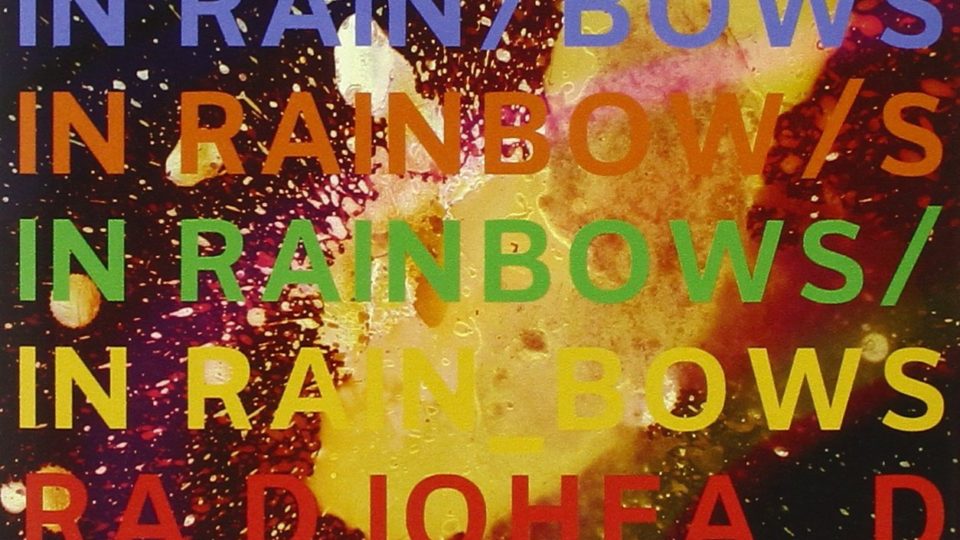
On October 10, 2007, they put In Rainbows on their website. Fans chose their own price. No minimum. You could type “0” and download the entire album free.
The music industry called it a suicide. Critics were brutal. Nicky Wire of Manic Street Preachers said: “It demeans music.” Fortune magazine listed it in their “101 Dumbest Moments in Business” with the sarcastic note: “Can’t wait for the follow-up album, ‘In Debt.’”
The Los Angeles Times ran an editorial: “Enough Radiohead Already!”
But Radiohead wasn’t trying to prove anything to critics. As Thom Yorke later explained: “We were simply saying that we believe that people value music. This is a contract of faith between the people creating the music and the audience.”
Chaos and Success
So what actually happened? The numbers told an interesting story:
Radiohead made approximately $3 million from digital downloads.
Average price paid: $2.26 per album.
Traditional label earnings: $2.25 per album
iTunes earnings: $1.40 per album
About 40% paid nothing, but 60% chose to pay
By cutting out the middleman, Radiohead made more per album than traditional distribution, even with free downloads.
Piracy exploded
A research study by music economist Will Page and analyst Eric Garland found that In Rainbows was pirated at 10 times the rate of other top artists’ releases. In the first week, 400,000 illegal copies circulated. By month’s end, over 2 million.
Even though you could get it legally for free, people still pirated it.
U2’s manager, Paul McGuinness, referenced the study: “Radiohead’s honesty-box release backfired. Even though it was available for no money at all, 60 to 70 percent of people who downloaded it stole it anyway.”
But the researchers found something the critics missed: Piracy follows popularity, not pricing.
The biggest-selling albums are always the most pirated, regardless of anti-piracy tactics. In Rainbows wasn’t pirated because of the pay-what-you-want model; it was pirated because it was massively popular.
Music fans were thrilled. Great music, cheap or free, directly from the band, not through corporate filters. It felt like a dream, the future.
Something for Independent Musicians
Almost 60% of people paid when they could have taken it for free. Your audience isn’t just looking for handouts; they want to support what they value. Cutting out distributors meant Radiohead kept more money and built stronger fan relationships. Today’s musicians can do this through Bandcamp, Patreon, or direct sales.
Radiohead didn’t manipulate or guilt-trip. They said, “We trust you to decide.” That trust built deeper loyalty than any marketing campaign. “Pay what you want for two months, then full price” respects both your art and your fans’ budgets while driving action.
The experiment generated millions in free publicity. You don’t need Radiohead’s scale; do something unexpected, and people will talk.
Furthermore, digital music costs almost nothing to distribute. This makes pay-what-you-want viable in ways it wouldn’t be for physical products.
In Rainbows was an important milestone: fans had more ways to obtain music and felt more connected to artists.
As for the researchers? Their paper got them backstage at a Radiohead show in Victoria Park. “The paper got us backstage,” Garland joked, “but it would be nice if we could figure out how to get paid, too.”
The Bigger Truth
The critics who called In Rainbows the “dumbest moment in business” missed the point entirely.
This wasn’t about maximizing short-term profit. It was about proving something deeper:
Good music has value. And people will pay for what they value.
In an era of Napster, illegal downloads, and “everything should be free” internet culture, Radiohead showed that fans want to support artists when given the chance to do so directly and fairly.
They didn’t need labels, DRM, or extracting 85% of revenue to treat fans like criminals. They just needed trust.
If you’re an independent musician in the current time, you have more power than Radiohead did in 2007.
You can release on Bandcamp with flexible pricing. Build a Patreon community. Sell directly through your website. Connect one-on-one with your audience.
You don’t need a major label, a radio play, or MTV.
You need a community: good music and fans who value it.
Radiohead proved that people will pay for quality when you trust them, respect them, and give them direct access.
What would you have paid for In Rainbows?