
The uncomfortable truth every musician needs to hear before buying another pedal, plugin, or piece of kit
There is a store in almost every city in the world that musicians treat like a place of worship.
You walk in, and the smell hits you first. Wood, strings, a faint trace of something electrical. Guitars hang on the walls like paintings in a gallery. Keyboards are stacked in rows. Pedals sit in glass cases like jewelry. And somewhere in that store, at some point, every musician has stood and thought the same thing.
If I had that, I would sound so much better.
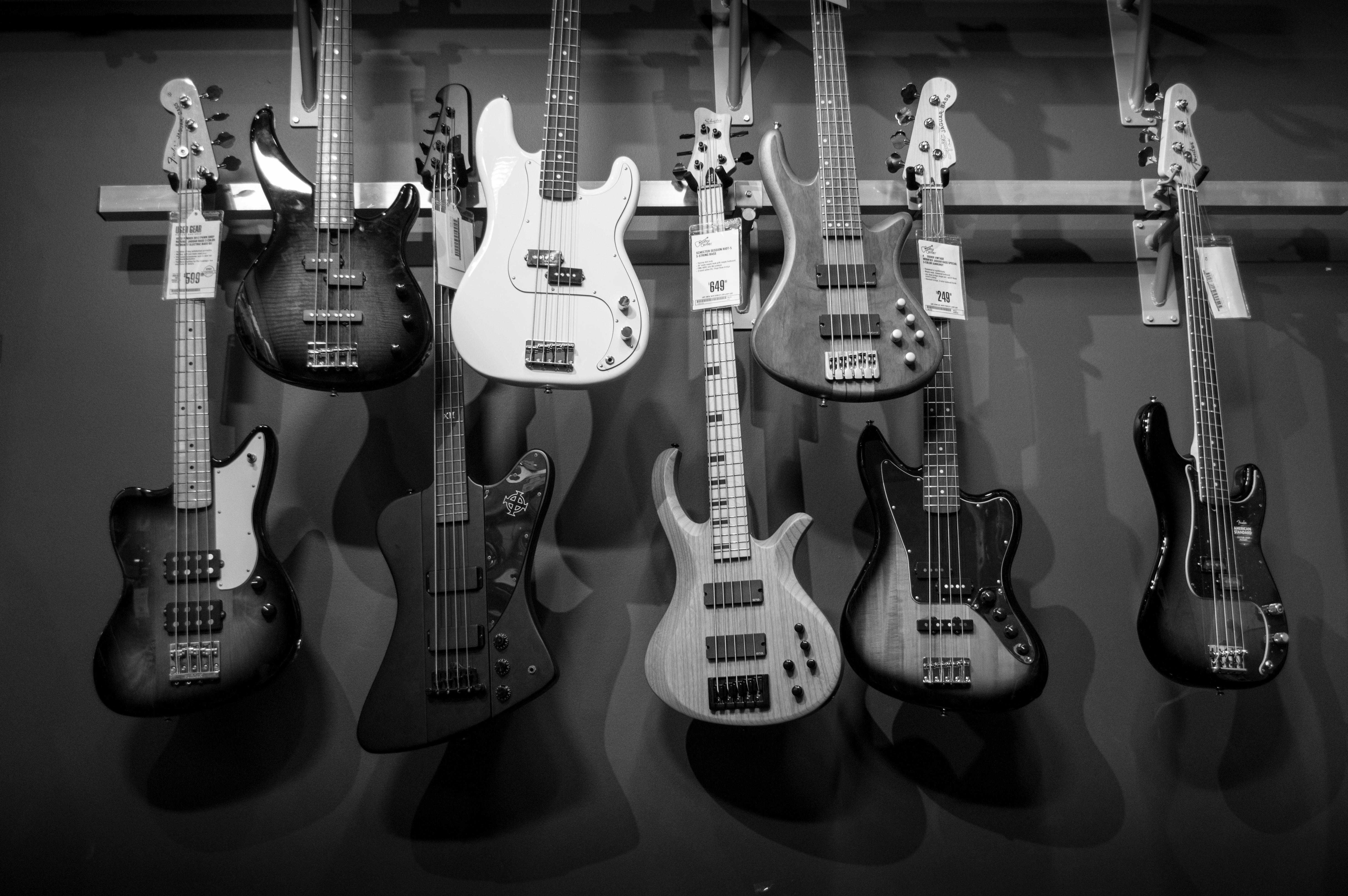
It is one of the most human thoughts in the world. And it is almost always wrong.
This is not a lecture. Nobody is here to tell you that buying gear is bad or that wanting nice equipment makes you a shallow musician. That would be unfair and honestly untrue. Good equipment matters.
A guitar that stays in tune makes practice more enjoyable. A microphone that captures your voice clearly makes recording less frustrating. There is real value in having tools that work properly.
But there is a line, and most musicians cross it without even noticing, between buying gear because you need it and buying gear because you are avoiding something.
That something is practice.
Here is how it usually goes. You have been playing for a while. Maybe six months, maybe two years. You are decent but not where you want to be.
You watch a video of someone whose tone you love, whose playing sounds effortless and full and alive, and you notice they are using a particular amp, or a particular guitar, or a particular microphone. And something lights up in your brain. That is what is missing. That is the thing standing between you and the musician you are trying to become.
So you start researching. You fall down a rabbit hole of forums, reviews, and comparison videos. You spend hours, sometimes days, reading about the difference between two pieces of equipment that cost more money than you should probably be spending.
And at the end of all that, you either buy the thing, or you don’t. But either way, you have just spent hours not playing music.
That is the trap. And almost every musician falls into it at some point.
The guitar does not make the player. This sounds like something printed on a motivational poster, but it is actually just a fact.
There is a famous story, probably familiar to anyone who has spent time in music circles, about someone handing a beginner the most expensive guitar in the room and then watching a master pick up the cheapest one in the corner. The master sounds like a master. The beginner sounds like a beginner.
The guitar did not change anything. Because the music was never in the guitar. The music was always in the hands. In the ears. In the thousands of hours of sitting with an instrument and learning how to speak its language.
Jimi Hendrix made a cheap, out-of-tune guitar sound like something from another planet. He did not do that because of his gear. He did that because of everything he had poured into himself as a musician before he ever plugged in.
Eric Clapton has said in interviews that some of his most memorable playing happened on instruments he borrowed, instruments he did not even particularly like. The gear was just the vessel.
Slash, the man behind some of the most recognizable riffs in rock history, started on a cheap acoustic guitar that barely stayed in tune.
Jimmy Page, who would go on to reshape what an electric guitar could sound like, first picked up an instrument that had been left behind by a previous tenant in a house his family moved into. It was just sitting there. He picked it up and started playing.
Tony Iommi, the man who invented the sound of heavy metal, lost the tips of two fingers in a factory accident and was told he would never play again. He fashioned makeshift fingertips out of plastic, loosened his strings, and went on to create some of the heaviest, most influential music ever recorded.
None of them had the right gear. None of them had perfect conditions. What they had was an obsession with playing, and they played through everything.
But here is the more uncomfortable part of this conversation, and it is worth sitting with for a moment.
When you are fixated on gear, when you spend more time researching equipment than actually playing, it is often because playing is hard and research is easy. Shopping is comfortable. It gives you the feeling of moving forward without the discomfort of actually moving forward.
You are doing something music-related. You are engaged. You are learning things. But you are not getting better. You are not putting in the hours that make the real difference.
You are not sitting with the frustration of a chord that won’t come, a melody that won’t resolve, a rhythm that keeps falling apart. And that frustration, as uncomfortable as it is, is exactly where growth lives.
This is not unique to musicians. It is a very human pattern. People buy running shoes before they start running. They buy cookbooks before they start cooking. They buy journals before they start writing. The buying feels like the beginning of something. And sometimes it is.
But more often it becomes the thing itself, and the actual practice never quite starts.
The musicians who improve the fastest are almost never the ones with the best gear. They are the ones who play the most. They are the ones who pick up their instrument every day, even when they don’t feel like it, even when they are tired, even when they sound bad.
They are the ones who are so focused on getting better that they don’t have time to spend three hours on a forum debating the difference between two compressor pedals. They just play.
There is also something worth saying about tone, because tone is usually what sends musicians down the gear rabbit hole in the first place. You hear a sound you love, and you want it. That is completely natural.
But what most people don’t realize until much later is that tone is mostly in your hands. The way you pick a string, the pressure you apply, the angle of your fingers, the way you breathe when you play, all of it shapes the sound that comes out.
Two guitarists can play the same guitar through the same amp and sound completely different from each other. Because tone is personal. It is physical. It is something you develop over time through playing, not something you purchase.
Professional musicians understand this. That is why so many of them, when asked about gear, shrug and say something like it doesn’t really matter that much. Not because they don’t care about quality, but because they have been playing long enough to know that the music comes from them, not from what they are plugged into.
So the next time you feel that pull, that familiar itch to open a new browser tab and start looking at guitars or interfaces or microphones or plugins, try something first.
Pick up whatever instrument you already have. Play it for thirty minutes. Work on something that is just slightly outside your current ability. Sit with the discomfort of not being as good as you want to be yet. Because that discomfort is not a sign that you need better gear. It is a sign that you are growing.
The best investment you will ever make as a musician is time. Not money. Not equipment. Time with your instrument, time with your ears, time with the music you love. That is what changes you. That is what turns a beginner into someone who can walk into a room, pick up whatever is available, and make something worth listening to.
The gear will always be there. The hours you spend not playing are gone forever.