
A band that evolved across decades through changing sounds and lineups without losing its identity
Heart did not follow a single path across its career. The band moved through different sounds, different lineups, and different phases of the industry, yet one thing held it together from the beginning: the presence of Ann and Nancy Wilson.
The Early Years: Before the Breakthrough
The band emerged from a series of earlier groups in the late 1960s and early 1970s, including The Army, Hocus Pocus, and White Heart, and was built around guitarist Roger Fisher and bassist Steve Fossen. These were working bands, playing regularly, developing material, and trying to find direction.
When Ann Wilson joined in the early 1970s, the dynamic changed. Her voice gave the band something it had not had before: range, control, and a presence that could carry both quieter passages and heavier sections without losing force.
Around 1973, the band settled on the name Heart.
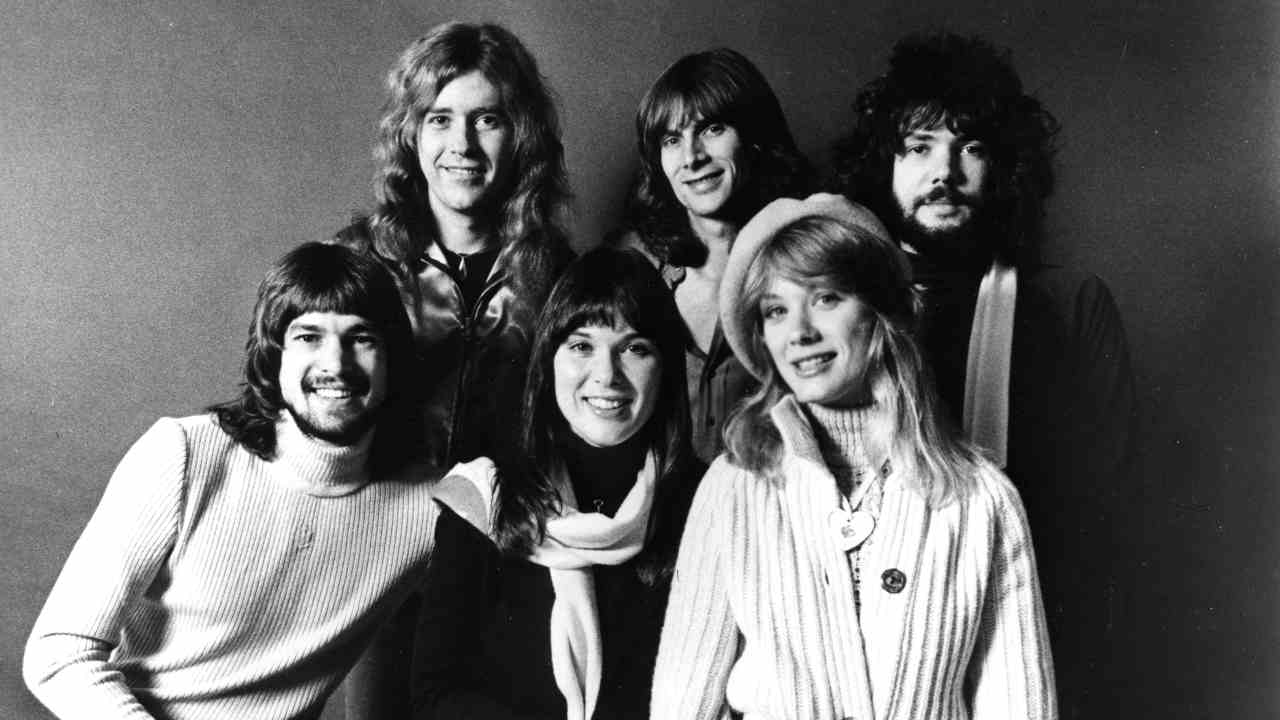
A key shift came when Nancy Wilson joined in 1974. With both sisters in place, the sound started to take shape. Acoustic guitar passages began to sit alongside heavier sections, creating a contrast that became part of the band’s identity.
The sound came through the way the songs moved between acoustic passages and heavier sections, with Ann’s voice holding it together.
They ended up in Canada through management ties, and that time gave them the space to settle their sound before their first major release.
Dreamboat Annie and the First Break
In 1976, Heart released Dreamboat Annie.
The album introduced a sound that stood apart from much of the rock at the time. Tracks like “Crazy on You” opened with acoustic guitar before moving into heavier sections, while “Magic Man” carried a darker tone built around strong riffs and controlled pacing.
What held it together was Ann Wilson’s voice. It moved across the songs with range and clarity, carrying both the softer and heavier parts without losing control.
The album found an audience, not through a single approach, but through the range it offered.
From there, the band moved into a strong late-1970s run.
Late 1970s: Establishing the Identity
Albums like Little Queen (1977) and Dog & Butterfly (1978) expanded on what Dreamboat Annie had started.
“Barracuda” cut through with a sharp guitar line and a vocal that came through strong and clear, and it became one of the band’s defining tracks.
“Straight On” showed another side, built around groove and control rather than force, while “Magic Man” and “Crazy on You” continued to define their earlier sound.
During this period, the lineup was stable, with Roger Fisher on guitar, Steve Fossen on bass, Mike Derosier on drums, and Howard Leese adding guitar and keyboards alongside the Wilson sisters.
The band had found its footing.
Early 1980s: Change and Uncertainty
The shift came at the end of the 1970s.
Roger Fisher left the band in 1979 after internal tensions and personal issues, including his relationship with Nancy Wilson. That departure changed the guitar dynamic, with Howard Leese taking on a more central role.
Further changes followed in the early 1980s. Steve Fossen and Mike Derosier left after the Private Audition (1982), and new members joined, including Mark Andes on bass and Denny Carmassi on drums.
The sound during this period moved away from the earlier blend. The albums carried more weight in places but lacked the same clarity of direction. The band was still active, still recording, but the identity that had defined the late 1970s was less clear.
This phase did not collapse the band, but it set the stage for the next major shift.
Mid-1980s: Reinvention
By the mid-1980s, Heart moved into a different space.
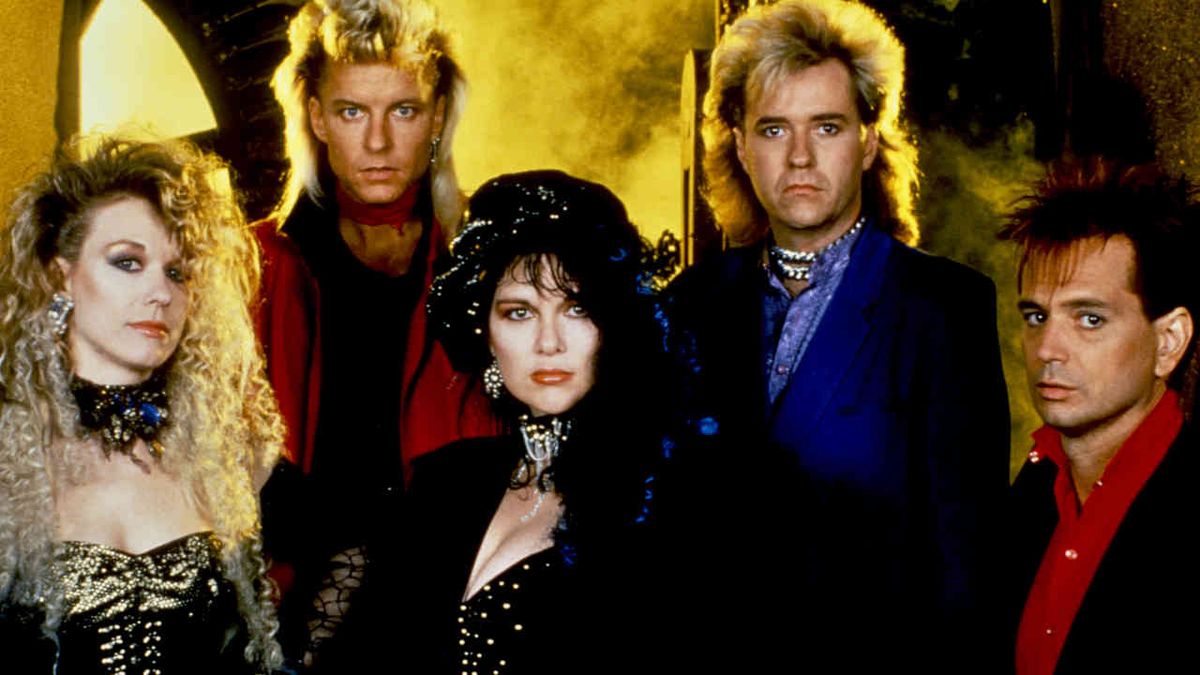
The 1985 self-titled album, Heart, marked a clear change in approach. The sound became more direct, more aligned with radio formats, and built around strong vocal hooks.
Songs like “What About Love” and “Never” clearly captured this shift. The arrangements were tighter, the production more controlled, and the focus moved toward accessibility.
“This Dreams” took that further. It reached number one and became a defining track of that period, led by Nancy Wilson’s vocals.
“Alone,” released in 1987, followed the same path, built as a large-scale ballad that connected widely.
This era brought the band its biggest commercial success.
At the same time, it moved them away from the sound that had defined their earlier work.
1990s: Holding the Position
Into the 1990s, Heart continued to release music and tour.
Brigade (1990) carried forward the direction of the mid-1980s, mixing harder tracks with ballads that fit within the broader rock landscape of the time.
“All I Wanna Do Is Make Love to You” became one of the most recognizable songs of the period, though it also drew attention for its subject matter.
By the early 1990s, the band faced another transition. Lineup changes continued, and both Ann and Nancy Wilson began stepping into side projects.
The band slowed down, then moved into a period of reduced activity.
Late 1990s and 2000s: Return and Rebuild
Heart returned in the mid-1990s and into the 2000s with a different structure.
The Wilson sisters remained at the center, while the surrounding lineup changed as needed for recording and touring. This approach allowed the band to continue without being tied to a fixed group.
Albums like Jupiter’s Darling (2004) showed a return to elements of their earlier sound, with a mix of acoustic and electric arrangements.
Touring became a major part of this phase. The band maintained a strong live presence, built around Ann Wilson’s voice and Nancy Wilson’s guitar work.

2010s to Present: Longevity Without Fixation
Into the 2010s and beyond, Heart continued to operate with the same core structure.
Fanatic (2012) retained elements of its earlier identity while operating within a modern context. The band did not attempt to return to a single era. Instead, they moved across their catalog.
A hiatus followed in 2016, tied to personal and professional tensions.
By 2019, the band reunited and returned to touring, with a new supporting lineup built around the Wilson sisters. That pattern continues into the 2020s.
The lineup changes have been constant, but the center has remained the same.
What Held It Together
Across five decades, Heart moved through multiple phases.
They began with a blend of acoustic and hard rock elements, shifted into a more radio-driven sound in the 1980s, and later returned to a broader mix of styles.
What remained consistent was the role of Ann and Nancy Wilson.
Ann’s voice carried the songs across different styles without losing strength. Nancy’s guitar work and musical direction gave the band its structure across changing lineups.
That combination allowed the band to move without losing its core.
Heart kept recording, touring, and adapting across decades, with Ann and Nancy Wilson carrying the band through every shift.
In 2012, at the Kennedy Center Honors 2012 in Washington, D.C., Heart performed “Stairway to Heaven” as a tribute to Led Zeppelin, who were being honored that night. Nancy Wilson opened the song on acoustic guitar before the arrangement built into a full band with choir, while Ann Wilson carried the vocal with control and clarity.
The performance stayed close to the original but grew in scale toward the end, and the reaction from Robert Plant, Jimmy Page, and John Paul Jones in the audience made it one of the most remembered moments of the ceremony.