
From a tightly controlled childhood to global dominance, complex relationships, and unmatched creative discipline, this is the story of a life built around performance, control, and constant pressure
Michael Jackson was born in 1958 in Gary, Indiana. A working-class neighborhood. A small house with ten children sharing space, time, and attention. Money was very limited, as with most working-class families.

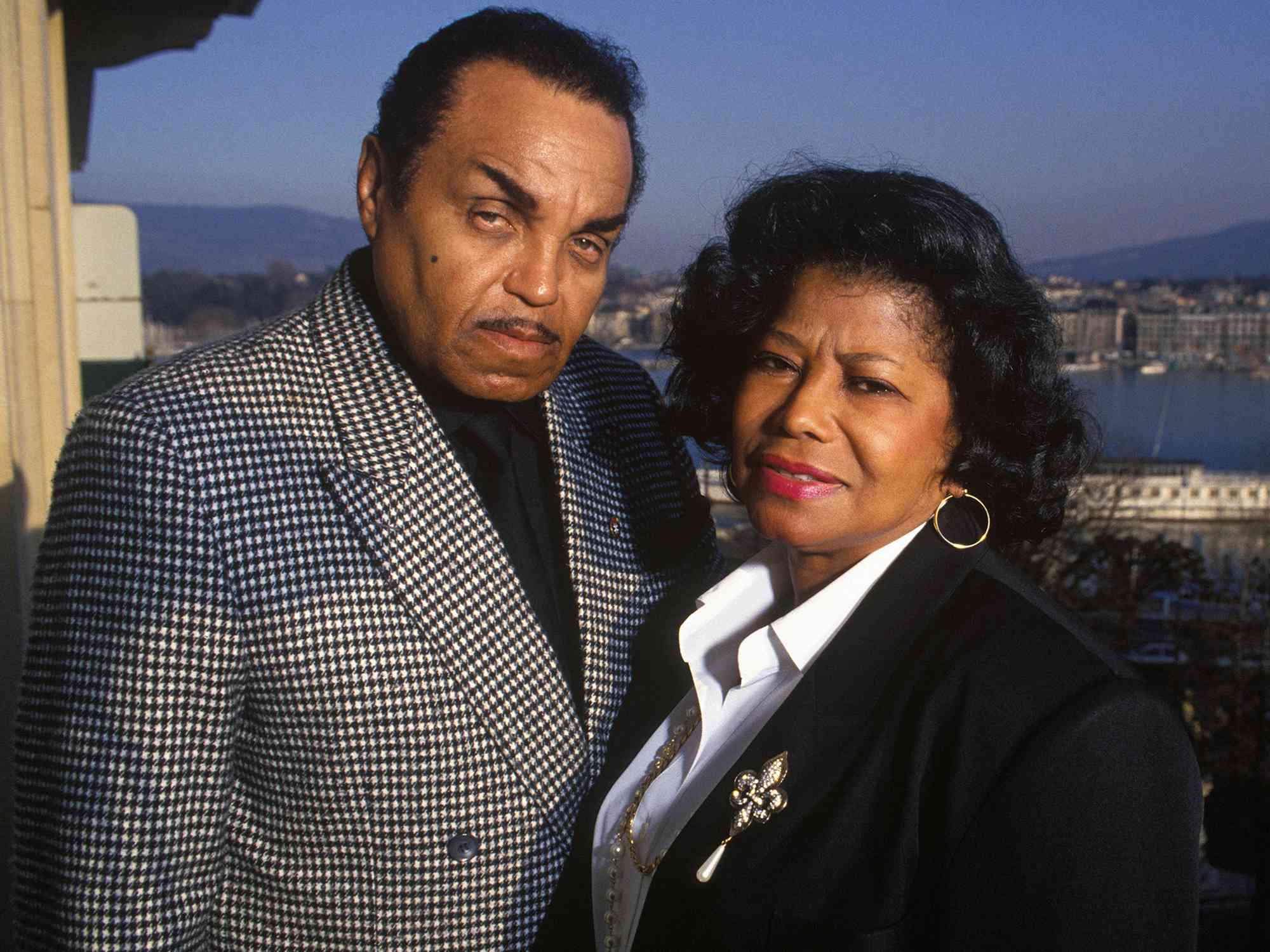
His mother, Katherine, supported music. She played instruments and encouraged singing. His father, Joe, believed music could become a source of income to support the whole family. He organized rehearsals, set schedules, and pushed his children to perform at a professional level.
Practice was intense and hard. It was repetitive. Songs were rehearsed again and again. Dance steps had to be perfect and in sync. Timing had to be precise.
Michael entered this environment at a very young age.
By the time the group became the Jackson 5 and signed with Motown in 1969, Michael was already operating like a lead performer. He could control a stage, read an audience, and adjust his delivery in real time.
In 1970, the Jackson 5 achieved four consecutive number-one singles. “I Want You Back,” “ABC,” “The Love You Save,” and “I’ll Be There.”
That kind of success created a momentum but at the same time tookaway normal life, childhood, just as fast.
Michael’s childhood was built around rehearsals, recordings, travel, and performances. School, friendships, and privacy were very limited. He later spoke about watching other children play while he worked.
Inside the family, relationships developed under this pressure and definitely most of those were not healthy.
He remained close to his mother throughout his life. She represented consistency and emotional support for him. However, his relationship with his father stayed distant. He acknowledged Joe’s role in building their success but also described fear and strict discipline.
His brothers were part of his daily life, both on and off stage. They worked together, traveled together, and built their careers together.
When Michael’s solo career expanded, the balance changed. He moved ahead quickly, and the difference became extremely visible.
The Transition: From Group Member to Solo Artist
The first real shift came when Michael stepped outside the group structure.
Working on The Wiz connected him with Quincy Jones. That connection led to Off the Wall in 1979.
This album showed real direction. It combined disco, pop, and rhythm with a cleaner structure. Songs like “Don’t Stop’ Till You Get Enough” and “Rock with You” established him as a solo artist with a distinct sound.
Inside the studio, his approach was different from many other.
Bruce Swedien, the recording engineer, described how Michael worked on vocals. He would repeat takes until the tone, breath, and phrasing matched exactly what he wanted. The microphone choice, positioning, and room sound were all part of the process.
He did not rely on one strong take.
He built the final version piece by piece.
Then came Thriller in 1982.

The scale of this album changed everything for Michael. It reached audiences across genres and countries. It stayed visible for years because each single extended the life of the album.
“Billie Jean” had a tight bassline and precise vocal delivery.
“Beat It” featured a guitar solo by Eddie Van Halen, bringing rock listeners into pop.
“Thriller” combined music, choreography, and film-style storytelling.
The video for “Thriller” was planned as a movie production, not just a promotional video. Script, casting, choreography, makeup, and editing were all treated seriously.

People who worked on these projects described a clear pattern.
Michael paid attention to details which others usually ignored or settled for.
Lighting angles. Camera timing. Movement alignment with music. He even focused on every dancing movement and step on how it lands on the floor with every beat.
By the time Bad was released in 1987, he was controlling every major part of his output. The album produced five number one singles in the United States. The folloup tour was very large-scaled, organized, and consistent across locations.
Changing Sound Without Losing Control
In 1991, Dangerous showed another shift.
This time, he worked with Teddy Riley and moved toward new jack swing. The rhythm changed. The production became more layered and modern.
Teddy Riley later described the pressure of working with Michael. Expectations were high. Changes were frequent.
Michael would test sounds, adjust arrangements, and pushed for something that aligns with current music sound but still carried his individual identity.
That balance was not easy, but Michael was not ready to compromise on his sound.
Paul McCartney: Collaboration and Conflict
Michael’s relationship with Paul McCartney started with mutual respect.
They recorded “The Girl Is Mine” for Thriller. Then “Say Say Say” and “The Man.” Their sessions were productive but fun and relaxed as compared to other parts of the industry.
During this period, McCartney spoke about music publishing. He explained how owning song rights creates long-term income.
Michael understood the value of it immediately.
In 1985, he bought ATV Music Publishing. This included rights to around 250 Beatles songs.
McCartney had wanted those rights and was not happy with Michael on this deal.
This purchase changed their relationship.
McCartney later expressed frustration. He had to negotiate to use songs he had written. He also disagreed with Michael licensing Beatles music for advertising.
McCartney saw those songs as his personal work. his property. This incident created a large gap between the two legends.
Unfortunately, they did not work together again.
Diana Ross and Elizabeth Taylor: Trust and Stability
Diana Ross played a key role early in Michael’s career. She helped introduce the Jackson 5 to wider audiences and remained connected to him for decades.
He trusted her enough to name her as a secondary guardian for his children.
That level of trust was rare in his life.
Elizabeth Taylor was part of his inner circle. Their friendship was built on shared experiences. She had lived under global attention for years and understood the pressure.
People close to him often mentioned that he relied on a small group of individuals rather than large social circles.
Lisa Marie Presley: A Public and Private Relationship
Michael married Lisa Marie Presley in 1994.
Lisa Marie later described the relationship as real but complicated. She spoke about moments where Michael was engaged and present, and others where he became distant.
She also described his need to control situations, including how things appeared to the public.
The marriage ended in less than two years.
Other Artists and Industry Dynamics
Michael’s relationship with Prince became one of the defining rivalries of the 1980s.
Both artists dominated charts and media attention.
Stories from the time include a James Brown concert appearance where both were present. Prince’s performance and Michael’s reaction became part of discussions in music history.
There were also reports that Prince declined a collaboration on “Bad.”
Their approaches were different.
Michael focused on structure and precision whereas Prince valued independence and experimentation.
With Madonna, the relationship was marked by public admiration and criticism. They appeared together publicly but also commented on each other’s choices. Madonna later supported him during his legal challenges.
Work Habits and Stories from People Around Him
People who worked with Michael often described similar patterns.
He always arrived prepared.
He repeated sections until they matched his expectations.
He paid attention to small elements that others overlooked.
Bruce Swedien spoke about how Michael would position himself precisely at the microphone to control sound.
Vincent Paterson, who worked on choreography, described how rehearsals were structured. Movement was tested, adjusted, and aligned with music.
Michael would often continue refining after others were satisfied.
This created pressure for the people working with him.
At the same time, it created consistency in the final output.
Film and Visual Work
Michael treated visual work as part of music.
The Wiz connected him to film and to Quincy Jones.
Moonwalker combined music with narrative and performance sequences.
Ghosts extended this approach into longer formats with effects and storytelling.
He also appeared briefly in Men in Black II.
He explored other roles that did not materialized, including major film characters.
Children and Personal Life
Michael had three children: Prince, Paris, and Bigi.
He was very conscious about their exposure to the public. Faces covered in public appearances. Limited media access.
This approach reflected his own experience.
He had grown up to be visible all the time so chose to limit theirs.
After his death, his mother became their guardian.
Legal Issues and Public Response
In 1993, Michael faced allegations of child abuse. The case was settled privately. No criminal charges were filed at that time.
In 2003, another case led to a criminal trial.
In 2005, he was found not guilty on all counts.
Public reaction remained divided.
Some focused on the legal outcome.
Others focused on the allegations.
That division remained part of his public image.
Final Years and After
In 2009, Michael announced “This Is It,” a series of concerts in London.
Demand was high and tickets sold quickly.
Unfortunately, he died before the shows even began.
The cause was ruled as drug intoxication. However, his doctor was later convicted.
Closing Perspective
Michael Jackson’s life was built on structure, discipline, and performance from the beginning.
He developed skills at a very early age.
He made business decisions that changed how artists think about ownership.
He lived under constant public attention.
That combination created success at a scale that world had never seen before.
It also created a life that remained under constant pressure from beginning to the end.