
Critics called them hypocrites. How can you raise your voice against the system when you are a part of the machine?
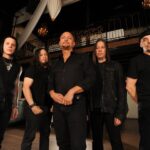
Rage Against the Machine formed in Los Angeles in 1991. Singer Zack de la Rocha came from the punk scene. Guitarist Tom Morello graduated from Harvard. They both grew up in conservative white suburbs but had revolutionary family backgrounds.
De la Rocha’s grandfather fought in the Mexican Revolution. Morello’s great-uncle led Kenya’s independence movement.
Their debut album dropped in November 1992 and changed everything for them. The music blended rap vocals with heavy guitar riffs in a way no one had heard before. But the real shock was the lyrics.
Every song attacked capitalism, police brutality, and systemic racism.
There was no mystery about what they believed. Songs like “Killing in the Name” became instant anthems.
The album went triple platinum. They became huge.
And that’s when the problems started.
The Big Contradiction
Here was a band screaming about destroying capitalism while signed to Sony, one of the world’s biggest corporations. They sold millions of records. They played expensive concerts.
They became millionaires.
Critics called them hypocrites. How can you raise your voice against the system when you are a part of the machine?
The band had an answer. Use the system’s tools against it. Without a major label, they could reach a few thousand people. Sony reached millions. The question isn’t whether you participate in capitalism. You have no choice. The question is what you do with it.
But was that just an excuse? Or did they really mean it? Isn’t it always the case that we have heard similar statements many times?
Actions Beyond Words
This is where Rage proved they weren’t just talk. In 1996, they hung upside-down American flags on Saturday Night Live. The staff tore them down. The band got kicked out and banned forever. They tried to play a free concert outside the New York Stock Exchange. Police shut it down and made arrests.
They burned American flags on stage. They traveled to Mexico to meet with revolutionary groups. They got arrested at protests. These weren’t safe publicity stunts. They cost the band money and opportunities. Major bands don’t usually do things that get them banned from television.
Their second album, “Evil Empire,” hit number one in 1996. Their third album, “The Battle of Los Angeles,” also hit number one in 1999. They were massive.
But singer Zack de la Rocha saw a problem. Their revolutionary message was mostly reaching white suburban teenagers who weren’t actually doing anything revolutionary. The music became background noise for mosh pits, not a call to action.
In 2000, de la Rocha quit the band. He felt like their message was being turned into just another product to consume.
Did They Keep Fighting?
After the breakup, guitarist Tom Morello joined Audioslave and had commercial success. But he also kept organizing with unions and showing up at protests. He formed another political band called Prophets of Rage.
When Rage Against the Machine reunited for touring, their politics were not just part of the lyrics. During their 2022 Public Service Announcement Tour, the band and their fans raised about $475,000 from charity ticket sales, which was donated to reproductive rights organizations in Wisconsin and Illinois after the U.S. Supreme Court overturned Roe v. Wade.
At several concerts, the band also projected political messages on giant screens, including the phrase “Abort the Supreme Court,” openly criticizing the court’s decision and drawing attention to abortion rights in the United States.
For Rage Against the Machine, activism has always been part of the music. Their reunion tours continued that tradition by directing portions of ticket revenue to social and activist causes. They did not just perform songs about resistance. They used their platform and tour revenue to support the movements they spoke about on stage.
So Did They Really Believe It?
The evidence says yes. They stayed consistent for over thirty years. They got arrested. They got banned. They donated millions. They took risks that hurt their careers. They didn’t just talk. They acted.
But they also show how revolution can become a product. Their politics were real, and their politics sold records. Both things are true. They proved you can be commercially successful with a radical message. They also proved that success doesn’t have to corrupt the message if you keep backing it up with action.
They showed that political music doesn’t have to hide its meaning. They put their money and their freedom on the line.
They didn’t solve the contradiction of being anti-capitalist millionaires. Nobody has. But they pushed harder than almost any other band to prove their beliefs were real. Whether that was enough is up to you. But the attempt was genuine. The risks were real. The commitment lasted decades.
That’s what matters.