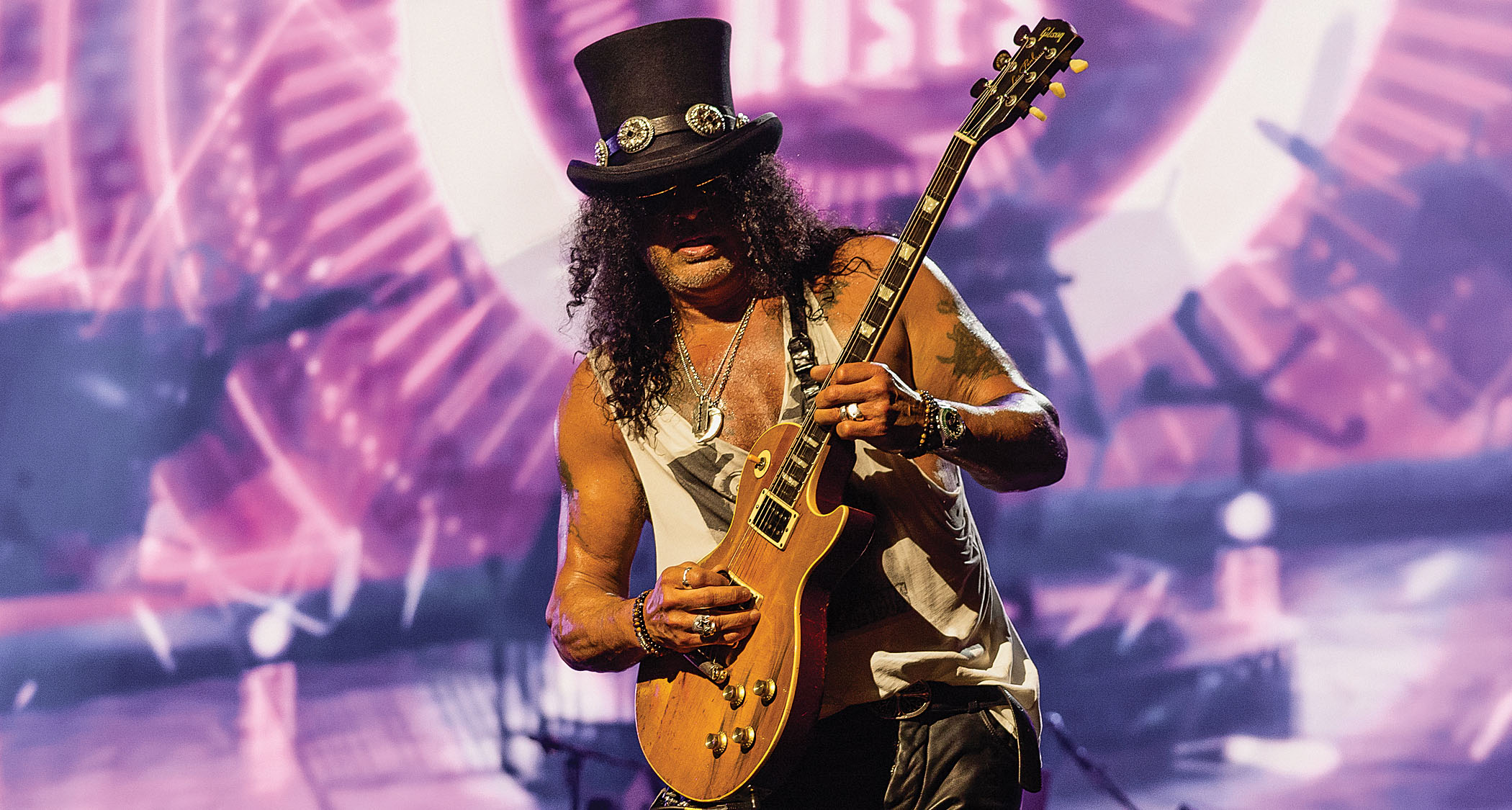

From a restless childhood between London and Los Angeles to becoming one of rock’s most enduring guitar voices, and rebuilding himself after the fall of Guns N’ Roses
Saul Hudson, later known worldwide as Slash, was born on July 23, 1965, in Hampstead, London. He grew up in an environment shaped by creativity. His father, Anthony Hudson, worked as an artist, while his mother, Ola Hudson, was a fashion designer whose work brought her into close contact with musicians and performers.
His early childhood did not follow a single path. He spent time in Stoke-on-Trent with his father and grandparents before moving to Los Angeles, where his parents eventually settled.
That move placed him in a completely different environment. Los Angeles in the 1970s was full of music, visual art, and cultural movement. His mother’s work kept him around artists, musicians, and industry people every day.
Even with that exposure, music stayed in the background during his early years.
As a child, Slash was restless and difficult to manage. School did not hold his attention. He drifted away from academics and spent more time riding BMX bikes, focusing on physical activity rather than structured learning.
Teachers saw him as distracted. At that stage, there was no sign he would become one of the most recognizable guitarists in rock.
Everything changed when he picked up a guitar around the age of fourteen.
What followed wasn’t just a casual interest; it became his total focus.
Slash began practicing for long hours every day, sometimes up to 10-12 hours. He did not treat the instrument as entertainment. It became routine, almost like a job he imposed on himself. He worked through riffs, scales, and entire songs, pushing through repetition until his hands adapted.
The players he listened to during this period shaped the foundation of his style. Eric Clapton gave him a sense of phrasing and control. Joe Perry brought attitude and groove. Angus Young showed how energy and movement could drive a performance. Jimmy Page demonstrated how riffs and solos could carry a song from start to finish.
Slash did not copy them directly. He absorbed their approach to the instrument. His playing began to form around long, vocal-like bends, sustained notes, and a rough edge that carried weight even at slower tempos.
Before any success, there were years of local bands.
His early group, Tidus Sloan, gave him his first experience playing regularly with other musicians. After that, he joined Road Crew with Steven Adler. He also played in Black Sheep and other short-lived projects. These bands did not last long, but they were necessary.
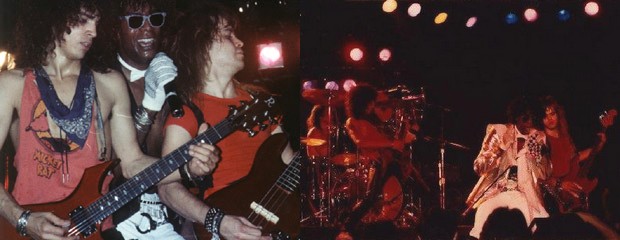
In the early 1980s, Los Angeles had a crowded music scene, especially around the Sunset Strip. Bands competed for attention in small venues, rehearsed constantly, and changed lineups frequently.
Slash learned how fragile bands could be. He saw how personality conflicts could destroy a group, how lack of discipline could end opportunities, and how chemistry mattered as much as skill.
This period taught him something more important than technique. It taught him how bands functioned in real conditions.
The band that became Guns N’ Roses came together through overlapping circles on the Los Angeles club scene in the mid-1980s. Axl Rose and Izzy Stradlin had already been working together in Hollywood Rose, building songs and playing local shows.
At the same time, bassist Duff McKagan had just arrived from Seattle and was moving through bands while looking for the right fit, and drummer Steven Adler was already part of Slash’s earlier circle from Road Crew.
Slash himself had been drifting between projects like Black Sheep and local gigs, building his playing and reputation on the Strip. The final link came when these separate paths crossed through auditions, shared rehearsals, and mutual connections, leading to a lineup that locked in around 1985.
Once they started playing together, the chemistry was clear. They combined punk energy, blues-based guitar work, and a raw hard-rock edge; within months, they moved from scattered musicians to a band with a distinct sound and direction.
The final lineup formed around Axl Rose, Izzy Stradlin, Duff McKagan, and Steven Adler. Slash fit into that group because he brought a guitar voice that connected blues roots to hard-rock aggression.
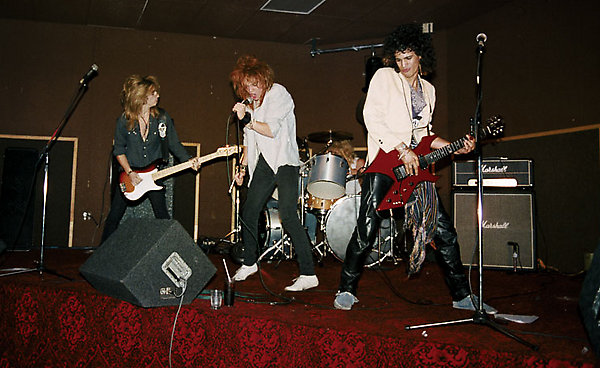
The band’s early years were not built on studio recordings. They were built on live shows. They played small venues, often with unpredictable performances. The sound was raw, loud, and unfiltered. Audiences responded because it felt different from the more controlled bands in Los Angeles at the time.
When Appetite for Destruction was released in 1987, it did not take off right away. The record sat quietly for months, with limited attention beyond the Los Angeles scene.
That changed as the band kept touring and radio stations slowly picked up “Welcome to the Jungle,” whose opening guitar line set the tone for everything that followed. Once the song began to get airplay, listeners started to notice the band’s sound.
“Sweet Child o’ Mine” came from a simple guitar figure that Slash played during a rehearsal. The band built around it, turning it into one of rock’s most recognizable openings.
“Paradise City” added to that momentum with its steady build and high-energy finish, becoming a staple in live shows. Over time, the album moved from a struggling release to a dominant one, climbing charts across countries and turning Guns N’ Roses from a club band into a global act.
Slash’s guitar work across these tracks gave the album its identity, from sharp riffs to long, singing solos that stayed with listeners long after the songs ended.
The songs carried distinct identities.
Slash’s guitar held these songs together. The riffs carried the weight, and the solos shaped how the songs moved and how listeners remembered them.
Live performances during this period added another layer. The band played with raw energy, often pushing the songs beyond their recorded versions. There was always a sense that things could fall apart at any moment, and that unpredictability drew people in.
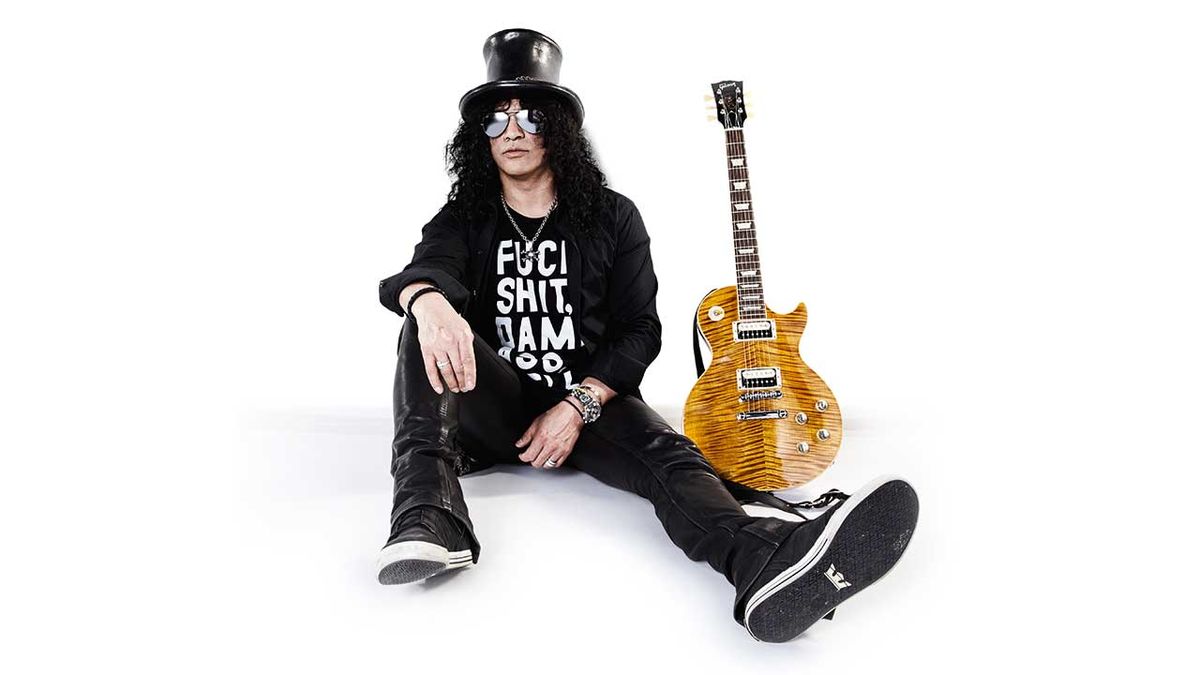
Slash’s visual identity also took shape during these years. The top hat, the Les Paul guitar, the hair covering his face, and the way he stood on stage became part of how audiences recognized him. It was not planned as an image strategy. It came from how he carried himself.
As the band grew, so did its internal problems.
Steven Adler was fired in 1990 as his drug use made it difficult for him to keep up with recording and touring. Matt Sorum replaced him, and his tighter, more controlled playing changed the band’s rhythm section.
Around the same time, Dizzy Reed joined, adding piano and keyboards that expanded the band’s sound. The biggest shift came when Izzy Stradlin left in 1991 during the Use Your Illusion tour, worn out by constant touring and internal strain. Gilby Clarke replaced him, stepping in to keep the band moving on the road.
When Use Your Illusion I and Use Your Illusion II were released in 1991, they showed a band working on a much larger scale than before. The songs stretched longer, arrangements included piano, orchestration, and multiple guitar layers, and the overall sound moved beyond the raw, street-level feel of Appetite for Destruction.
Tracks like “November Rain” carried full piano sections and extended solos, while “Estranged” and “Coma” pushed into longer, more complex structures.
The response was immediate at release, with both albums debuting at number one and two on the charts. The band followed it with a massive world tour that lasted over two years. The scale of success was huge, but so were the problems.
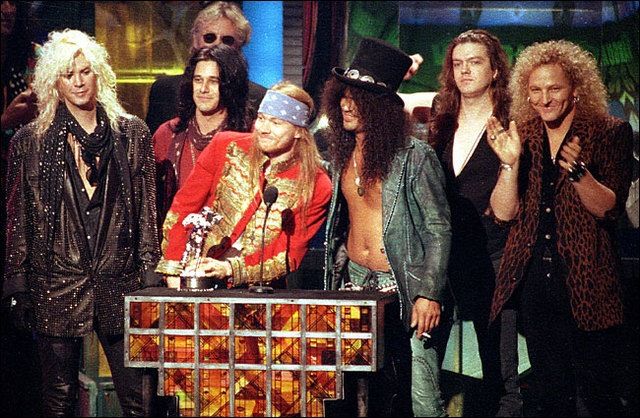
Long tours, lineup changes, and growing control issues around Axl Rose began to create distance within the group. By the end of the touring cycle, the band was still successful on the surface, but its internal structure had weakened, setting the stage for the eventual breakup of the classic lineup.
Slash adapted to that change. His solos became longer, and his role expanded within more complex arrangements.
At the same time, the relationship between Axl Rose and Slash became harder to manage. Disagreements over control, musical direction, and internal decisions within the band kept mounting. These issues were not new. They had existed for years and grew harder under the pressure of global success.
By 1996, Slash left Guns N’ Roses.
No single event caused the break. It came from accumulated strain. For fans, it marked the end of the lineup that defined the band’s most recognized period.
After leaving, Slash kept working instead of stepping away.
He formed Slash’s Snakepit, which allowed him to release music without the structure of Guns N’ Roses. The sound returned to a more direct rock approach. He later worked on Slash’s Blues Ball, which leaned more toward blues-based material.
These projects kept him active, but they did not carry the same global reach as his earlier work. This period forced him to rebuild his career step by step.
In 2002, he formed Velvet Revolver with Duff McKagan, Matt Sorum, Dave Kushner, and Scott Weiland.
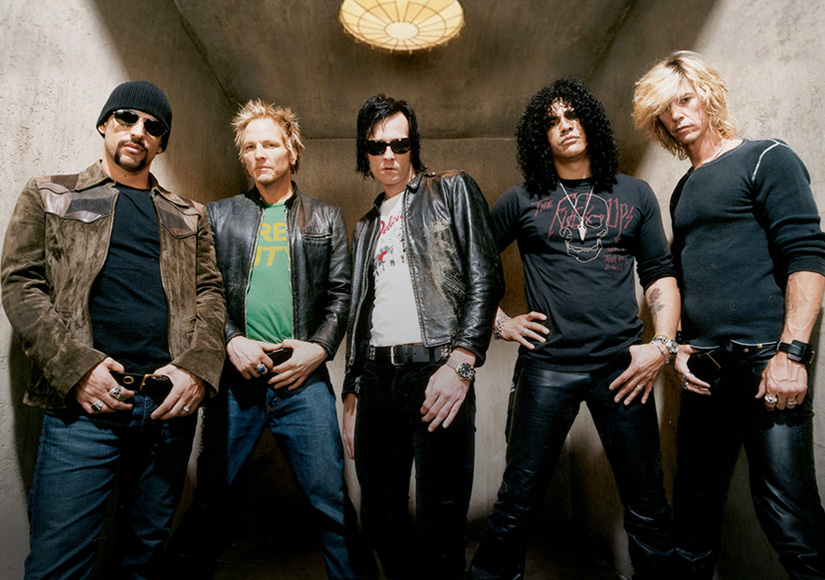
This band brought together musicians who had already achieved success. Their 2004 debut album, Contraband, placed Slash back in a major position in the rock scene. The track “Slither” opened with a heavy riff that carried throughout the song, building into a full-band performance that connected with audiences.
Velvet Revolver’s success showed that Slash could still operate at a high level outside Guns N’ Roses.
The band released Libertad later, but internal issues, especially involving Scott Weiland, led to its eventual decline.
Once again, Slash had to rebuild.
He moved into a solo phase, releasing his self-titled album Slash in 2010. This album featured multiple vocalists, letting him experiment across styles while keeping his guitar as the central element.
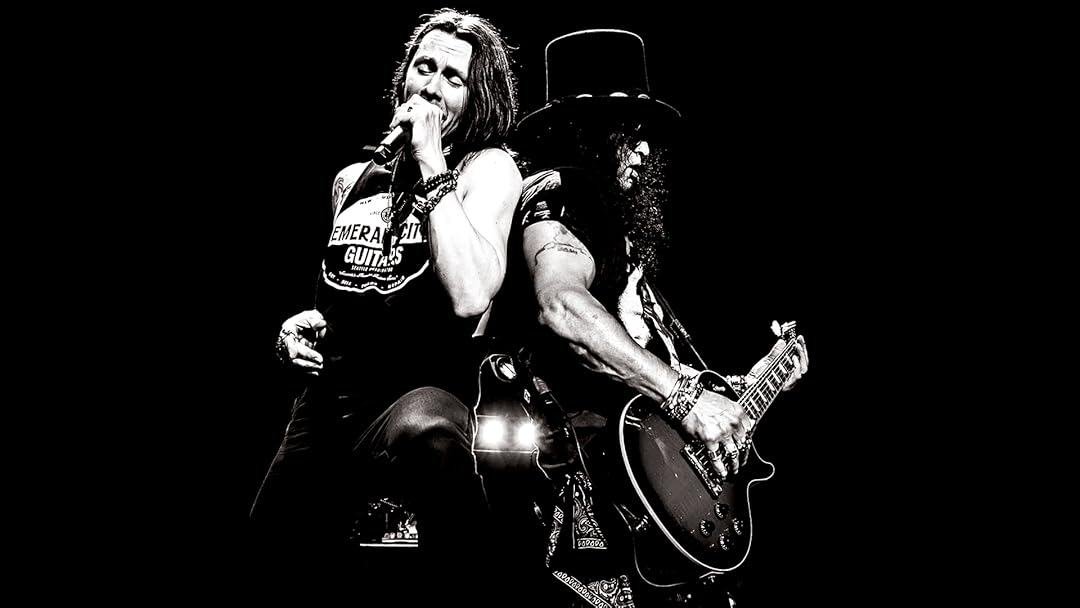
He later formed a consistent lineup with Myles Kennedy and the Conspirators. This group gave him stability for writing and touring. Albums like Apocalyptic Love, World on Fire, Living the Dream, and 4 built a strong catalog over time.
Myles Kennedy’s vocal range complemented Slash’s guitar style. The songs often centered around strong riffs, with room for extended solos that developed within the track.
Throughout his career, Slash worked with artists across different genres.
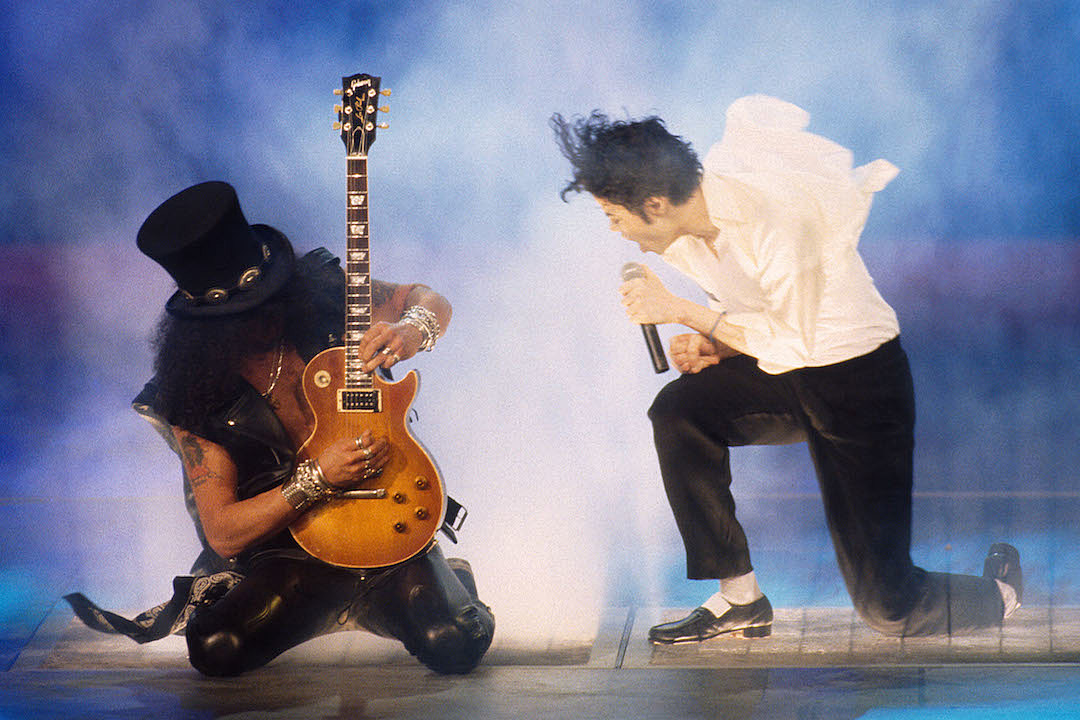
His collaboration with Michael Jackson on “Give In to Me” showed that his guitar tone could fit into a pop setting without losing its identity. He also contributed to “Black or White” and performed live with Jackson.
He worked with Iggy Pop and appeared as a guest on various projects. These collaborations sustained his presence across different audiences.
Away from the stage, Slash’s personal life also changed. He was married to Perla Ferrar from 2001 until their divorce in 2018, and they have two sons, London and Cash.
His earlier marriage to Renée Suran in the early 1990s was short-lived. Over the years, he has kept his family life relatively private compared to his public career, focusing on being present for his children while managing long tours and recording schedules.
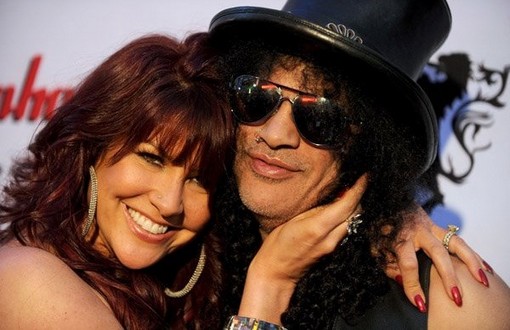
Those relationships added another layer to his life beyond music, especially during the years when he was working through recovery and trying to build a more stable routine.
Substance use affected his health over time. In 2001, he was diagnosed with cardiomyopathy. Doctors gave him a limited outlook. This forced him to change his lifestyle and focus on recovery.
This period reshaped how he approached his career. He shifted toward consistency and long-term activity.
On April 14, 2012, Guns N’ Roses were inducted into the Rock & Roll Hall of Fame. The event reflected both their influence and their internal divisions. Axl Rose was not present on that day as he declined the invitation a few days before the ceremony.
Axl Rose published an open letter declining his induction, stating he did not feel “wanted or respected” and asked not to be inducted in absentia.
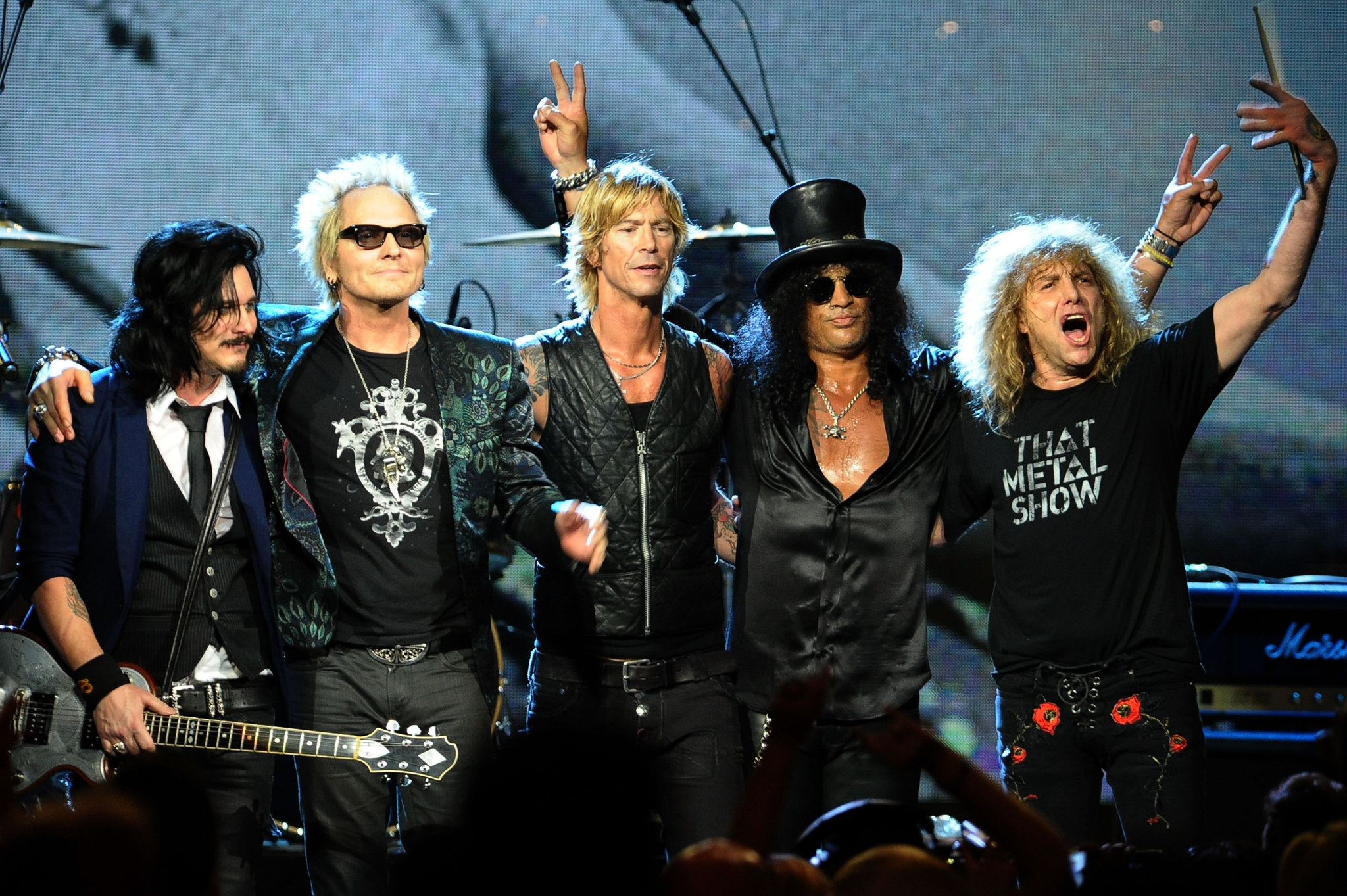
In 2016, Slash returned to Guns N’ Roses alongside Axl Rose and Duff McKagan. The reunion led to large tours that brought the band back to global stages.
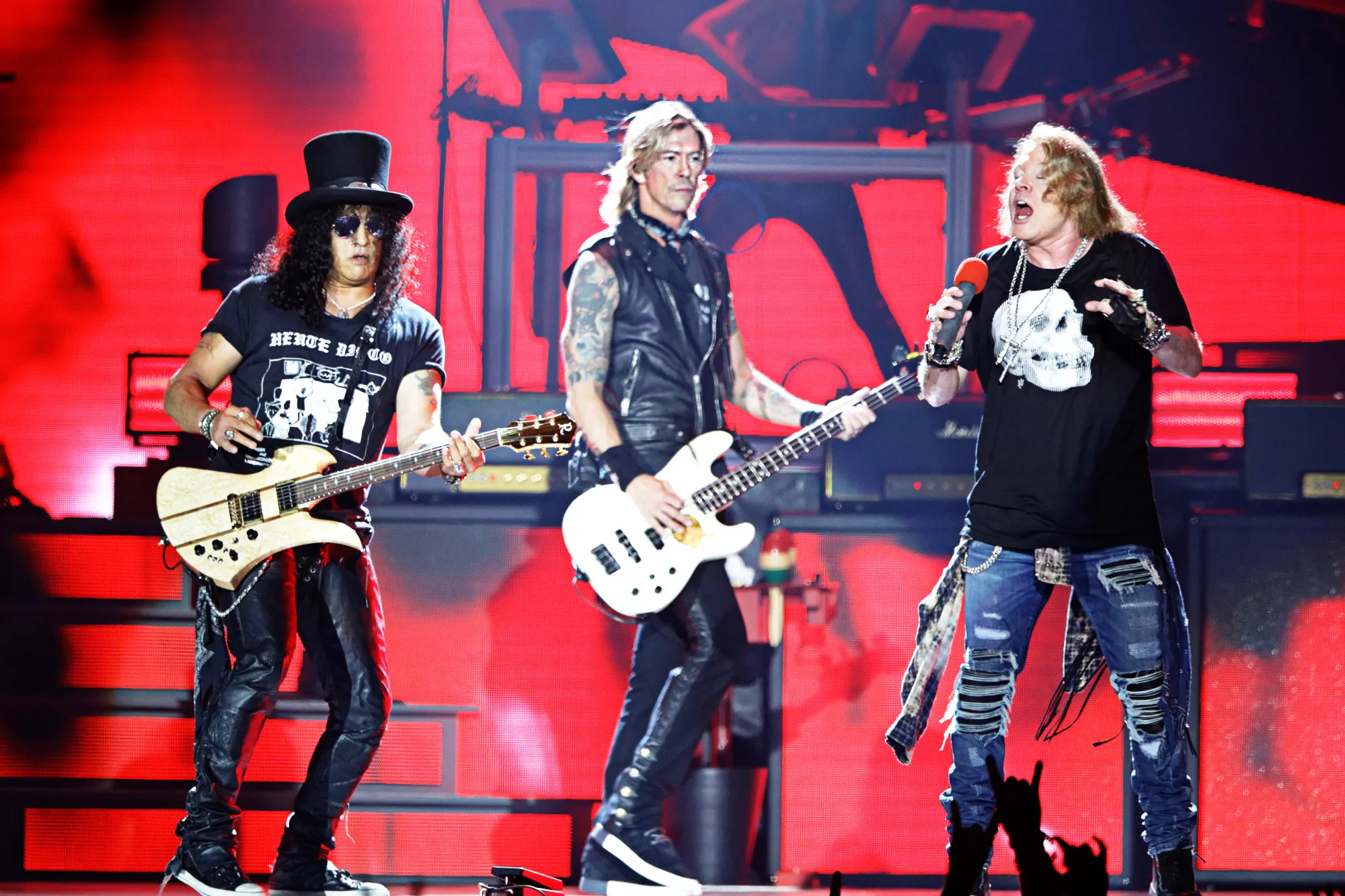
For audiences, this was a rare moment. A lineup separated for decades returned to perform together.
By the 2020s, Slash remained active as both a solo artist and a member of Guns N’ Roses.
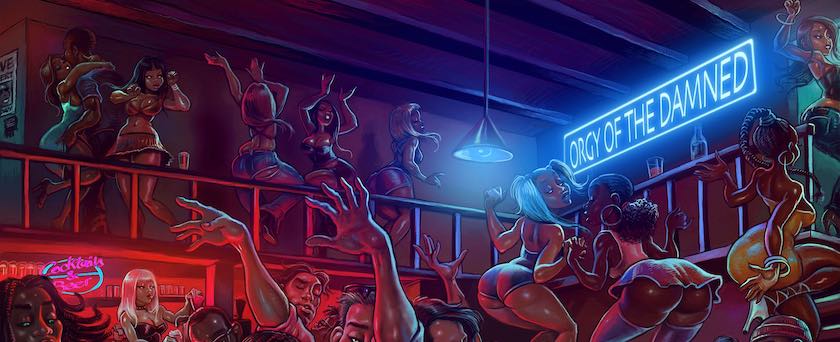
In 2024, he released Orgy of the Damned, a blues-based album featuring multiple vocalists. This project connected directly to his early influences and showed how those roots remained present in his playing.
His style has remained consistent across decades.
He focuses on phrasing, controlled bends, and a weighty tone. His solos follow clear melodic lines rather than complex patterns. Listeners recognize his sound within a few notes.
Slash’s career does not rest on one band or one period.
He started as a teenager practicing for long hours in Los Angeles. He became part of one of rock’s most recognized bands. He left that band and built new ones. He faced health issues and continued working. He returned to the band that first brought him global attention while maintaining his solo identity.
Through it all, the guitar stayed at the center.
That is what defines his story.