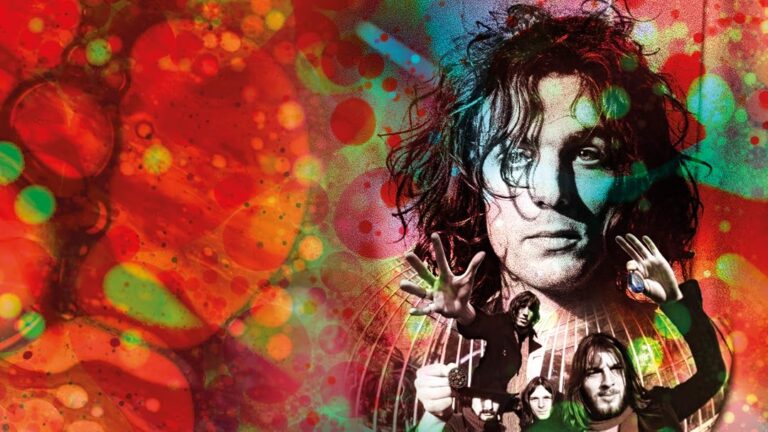

Glam rock, also called glitter rock, burst onto the scene in early 1970s Britain. It was loud, flashy, theatrical, and unlike anything that had come before.
I started listening to music seriously in the late eighties, and in glam rock, my favorites at the time were Poison and Mötley Crüe. Looking back now, I realize these bands were part of glam metal, the American evolution of the original glam rock movement that had exploded in Britain nearly two decades earlier.
What Was Glam Rock?
Glam rock burst onto the scene in early 1970s Britain. It was loud, flashy, theatrical, and unlike anything that had come before.
The music combined simple, catchy rock-and-roll hooks with outrageous visual presentation. Think platform boots, glittery makeup, wild hairstyles, satin clothes, and androgynous looks.
At a time when most rock bands wore jeans and took themselves very seriously, glam rockers showed up in costumes that looked like they belonged in a space opera, and they didn’t care who thought it was too much. The look was just as important as the sound. Glam rock celebrated excess, camp, and breaking rules about how men should dress and behave.
How It All Started
The story begins around 1970 with Marc Bolan and his band T. Rex. Bolan had been playing acoustic folk music, but he switched to electric guitar and created a sound he called boogie rock. In 1971, he appeared on the British TV show “Top of the Pops” wearing glitter on his face. That moment is often considered the birth of glam rock.
Bolan’s albums Electric Warrior (1971) and The Slider (1972) defined the early glam sound, with hits like “Get It On” and “20th Century Boy.” Bolan became known as the King of Glam Rock. Without him, the whole movement might never have happened.
David Bowie and Ziggy Stardust
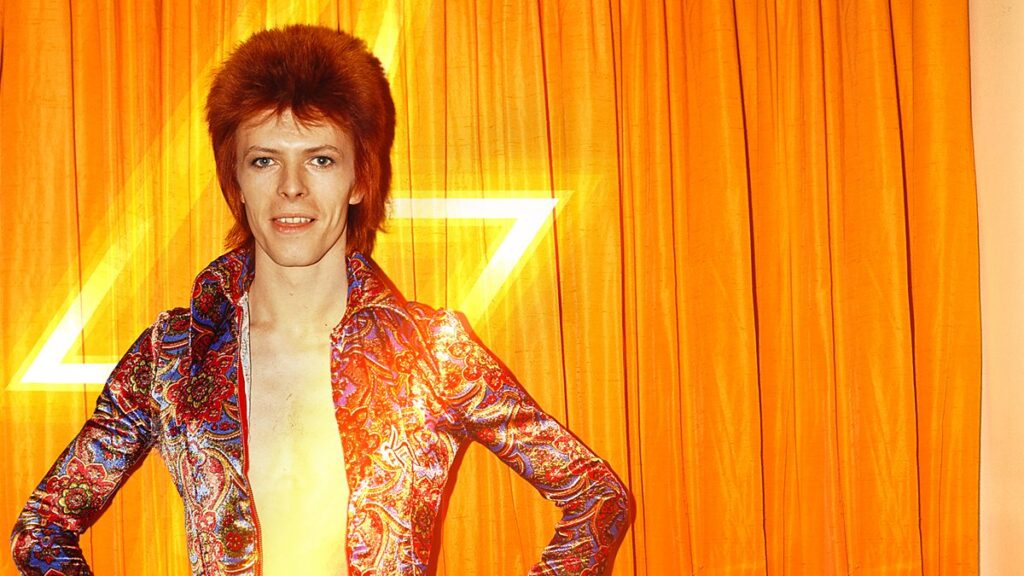
In 1972, Bowie created an alter ego named Ziggy Stardust, an androgynous alien rock star from outer space. The character had bright orange hair, a lightning bolt painted across his face, and wore wild, futuristic costumes.
Bowie’s album The Rise and Fall of Ziggy Stardust and the Spiders from Mars became one of the most important rock albums ever made. Songs like “Starman” and “Rock and Roll Suicide” weren’t just catchy. They told a story about an alien who comes to Earth to save humanity through rock and roll.
Bowie wasn’t just singing songs. He was performing a character, creating an entire world. He also openly claimed to be bisexual, which was shocking at the time and made glam rock feel dangerous and rebellious.
The Peak Years
Between 1971 and 1975, glam rock dominated British music. The charts were filled with glam acts, and the style influenced fashion, television, and youth culture.
Roxy Music brought art school sophistication to glam. Led by singer Bryan Ferry, they combined experimental sounds with glamorous presentation. Slade was the working-class side of glam rock, rowdy and fun with massive sing-along anthems like “Cum On Feel the Noize.”
The Sweet had massive hits with songs like “Ballroom Blitz” and “Teenage Rampage,” catchy radio-friendly rockers that dominated the airwaves.
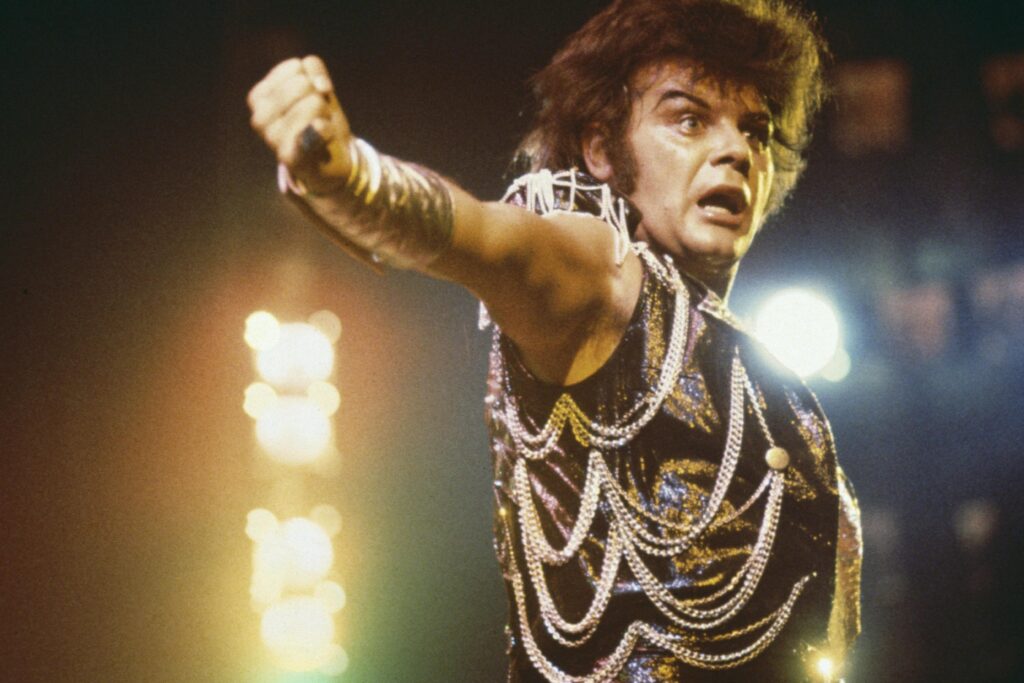
Gary Glitter became known for his stomping, chant-along songs. Mud had hits with bubblegum glam. Suzi Quatro was one of the few women in glam rock, playing bass and leather-clad rock with attitude.
Queen entered the scene with Freddie Mercury’s theatrical performances and hits like “Killer Queen.” Mercury’s flamboyant stage presence was classic glam.
In America, glam rock didn’t catch on as much, but the New York Dolls brought the style to New York City with a trashy, raw sound. Produced by Bowie, Lou Reed’s Transformer, released in 1972, featured the hit “Walk on the Wild Side” and brought glam’s themes to a broader audience.
Why Glam Rock Was So Popular
Glam rock succeeded because it gave teenagers exactly what they wanted after years of serious, heavy rock music. By 1970, rock had become dominated by long, complicated songs from talented but not fun bands.
Glam rock brought back the joy and simplicity of early rock and roll. The songs were short, catchy, and easy to sing along to. You could dance to them.
The visual spectacle was equally important. In an era before music videos, glam rockers made every TV appearance an event. They understood that image and performance were just as important as the music itself.
Glam also appealed to young people because it celebrated individuality and rejected conformity. It told teenagers they could be anything they wanted and express themselves freely.
The Decline
By 1975, glam rock was fading. The shock value wore off. When glam started, the look was outrageous and new, but after a few years, everyone was doing it. The style became mainstream and predictable. What had seemed rebellious started to feel like a commercial formula.
Many of the original artists moved on. Bowie left glam behind and reinvented himself with soul and funk influences. Roxy Music evolved into a more sophisticated pop sound. Without the leaders pushing forward, the movement lost direction.
The music scene was also changing. Punk rock exploded in Britain in 1976, led by bands like the Sex Pistols. Punk was aggressive, political, and stripped down. It rejected everything about glam rock’s polish and theatricality. Punks thought glam was fake and over-commercial. At the same time, disco was taking over dance floors.
Glam rock’s playful escapism didn’t match the darker mood of the times. By 1976, glam rock as a chart force was essentially over. Marc Bolan died in a car crash in 1977, a symbolic end to the original glam era.
The Legacy and Glam Metal
Even though glam rock declined, its influence never disappeared. It transformed into new styles. The New Romantics of the early eighties brought back the makeup and visual style.
Goth music took glam’s dark, theatrical side. But the most direct descendant was glam metal, which exploded in America during the 1980s. This is where bands like Mötley Crüe and Poison come in.
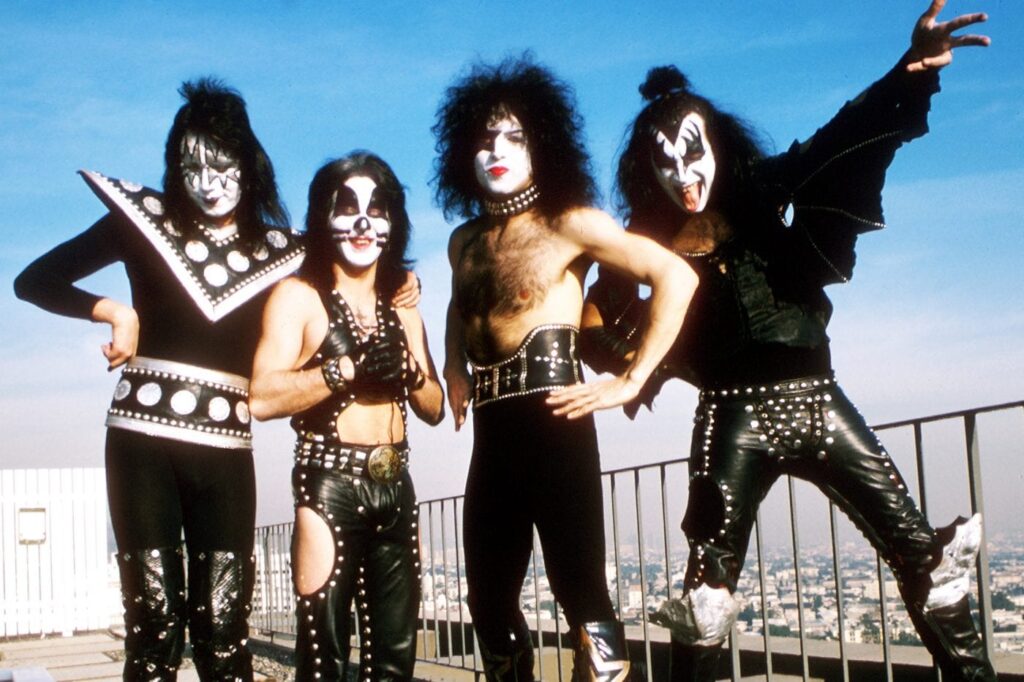
Glam metal took the visual excesses of British glam rock and combined them with heavy metal. The look was similar but amplified.
The hair got bigger, teased into massive manes. The makeup went from subtle to extreme. The clothes were leather pants with leopard prints, ripped jeans, bandanas, and studded jackets. Platform boots became standard.
Bands like Kiss had started this fusion in the mid-seventies. By the eighties, bands like Mötley Crüe, Poison, Ratt, Warrant, Cinderella, and Skid Row dominated MTV and radio. They filled stadiums, just like British glam bands had a decade earlier.
The music was heavier and more guitar-driven than seventies glam rock. It had screaming solos, pounding drums, and lyrics about partying and living wild. Songs like “Nothin’ But a Good Time” by Poison and “Kickstart My Heart” by Mötley Crüe became massive hits.
Music videos on MTV showed the bands in all their excessive glory. Record sales went through the roof. Albums went multi-platinum.
For me, in the late eighties, discovering these bands felt exciting and rebellious.
Glam metal dominated the late eighties, but like its predecessor, it eventually fell. By the early nineties, grunge music from bands like Nirvana took over. Grunge rejected everything about glam metal. The flannel shirts of grunge were the opposite of hairspray and leopard print. Grunge made glam metal seem outdated overnight.
Where Glam Rock Stands Today
Today, glam rock is no longer mainstream, but it never completely disappeared. Some of the original bands still tour. Kiss, Def Leppard, Mötley Crüe, and Poison continue to play to crowds of nostalgic fans. Tribute bands are keeping the music alive, and in Europe, some newer bands continue making glam-influenced rock.
Glam rock’s real legacy is in how it changed the relationship between music and image. It proved that rock could be theatrical, that fashion and style mattered, and that breaking gender norms could be powerful and exciting.
It influenced everyone from Prince to Lady Gaga, artists who understand that creating a visual persona is just as important as the music.
The movement showed that rock and roll could be fun, silly, outrageous, and still meaningful. It permitted artists to be whoever they wanted to be, to create characters, and to challenge expectations. That spirit of freedom and self-expression is glam rock’s greatest gift to music history.
Every time an artist puts on an outrageous outfit, challenges gender norms, or creates a theatrical persona, they’re drawing from the playbook that Marc Bolan, David Bowie, and their glittering peers wrote over fifty years ago.
The music may be from another era, but the attitude and the belief that you can be anything you want still resonates today.