
A deeper look at the bands that pushed rock forward in the 1970s but slipped through the cracks, leaving behind records that still feel ahead of their time
The 1970s rock landscape is usually told through a familiar set of names. Stadium bands, platinum records, and movements that would later be easy to package. What gets lost in that version is how crowded and experimental the decade actually was.
There were dozens of bands building new sounds at the same time, often with just as much ambition, but without the timing, label support, or identity clarity needed to survive.
Some of them were too early. Some changed direction at the wrong moment. Some simply did not fit what the industry knew how to sell.
The result is a group of bands that quietly shaped genres and then disappeared, while others took the spotlight.
Gentle Giant
If there is one band on this list that musicians consistently point back to, it is Gentle Giant.

They started as a continuation of an earlier pop-psych group but quickly moved into something far more complex. Albums like Octopus and Free Hand show a level of arrangement that went beyond most progressive rock at the time.
Multiple instruments swapped between members, vocal counterpoint lines layered like classical compositions, and constant shifts in rhythm and structure.
They did not rely on long, drifting pieces the way some prog bands did. Their songs were tightly constructed, almost mathematical, but still carried groove and melody.
Tracks like “Knots” or “Just the Same” show how far they were pushing structure without losing control.
Their problem was positioning.
In the UK, they never broke through commercially. In the US, they built a loyal audience, but not a large enough one to sustain long-term growth. By the late 1970s, progressive rock itself was starting to lose ground to punk and more direct forms of rock.
Gentle Giant did not simplify enough to survive that shift.
They ended up influencing later prog musicians far more than their own era reflected.
Sir Lord Baltimore
Before heavy metal had a defined shape, Sir Lord Baltimore was already playing it.
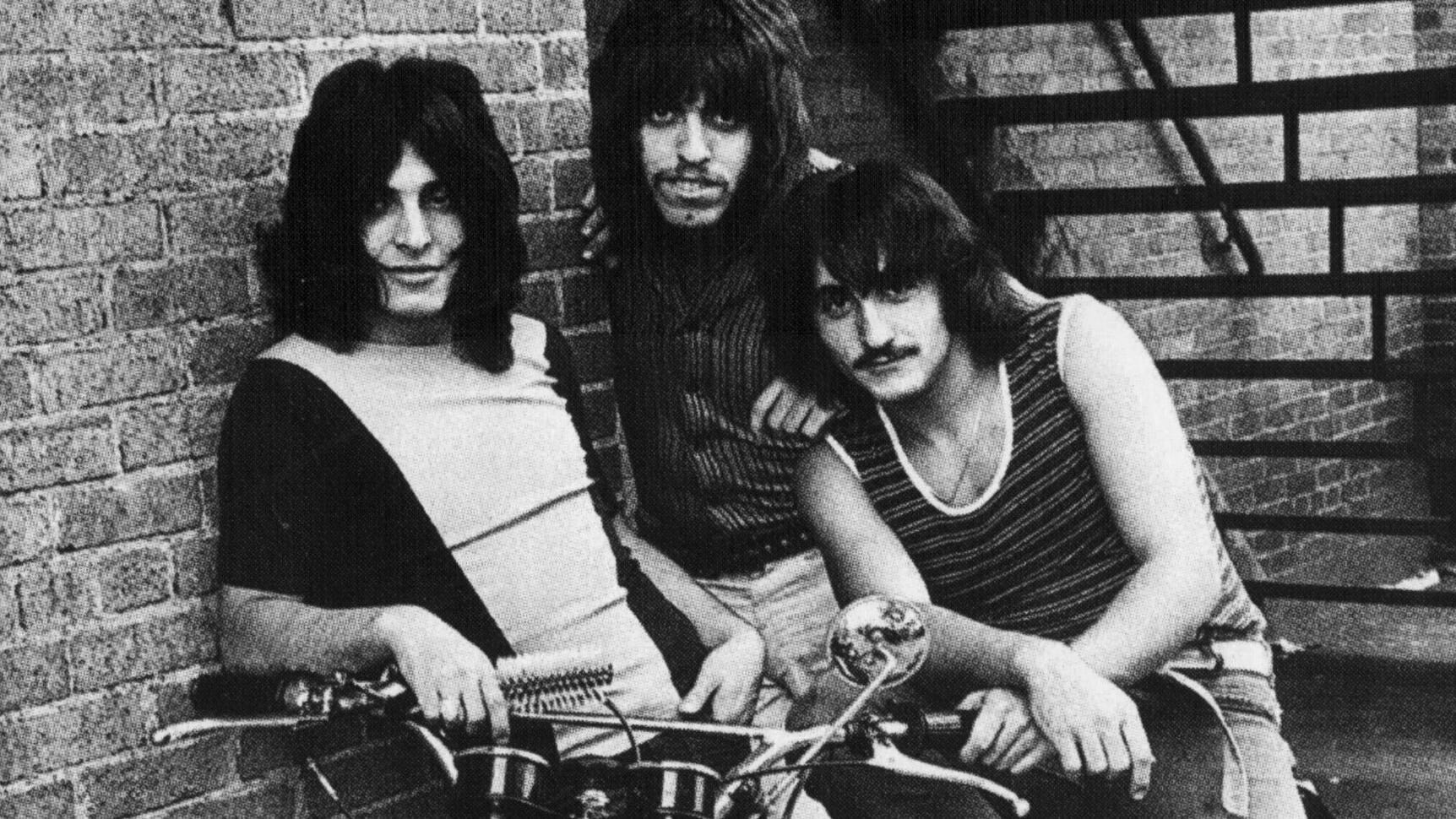
Their 1970 album Kingdom Come is one of the clearest early examples of proto-metal. Loud, dense, aggressive, and built on thick guitar tone rather than blues looseness. Songs like “Master Heartache” and “Kingdom Come” have a weight and attack that feels closer to later metal than to most of their contemporaries.
The playing is raw but controlled. The rhythm section pushes hard, and the guitar tone leans into distortion in a way that was still developing at the time.
They arrived early.
Too early, in fact.
The infrastructure for that kind of sound was not fully there yet. Labels did not quite know how to market it, and audiences were still adjusting to heavier styles. By the time heavy music became more established, other bands had stepped into the space with clearer identities and stronger backing.
Sir Lord Baltimore dissolved before they could build on what they started.
Their influence shows up later in stoner rock and heavier underground scenes, but they never got the recognition at the time.
Brinsley Schwarz
Completely different from the heaviness of Baltimore, Brinsley Schwarz took the opposite approach.
They stripped things down.
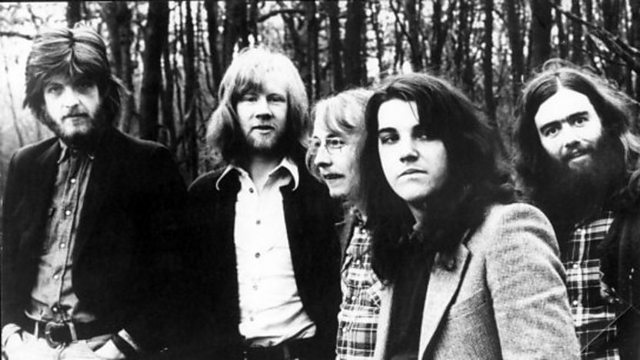
Formed around the London pub rock scene, they focused on roots rock, country influences, and a more direct, unpolished sound. Albums like Nervous on the Road carry a looseness that feels closer to barroom performance than studio construction.
Songs such as “Surrender to the Rhythm” demonstrate strength in groove and songwriting rather than in technical display.
They toured relentlessly and built a reputation as a live band. But one early moment hurt them badly. A heavily hyped trip to the United States, intended to launch them, turned into a poorly managed promotional stunt that backfired and damaged their credibility.
From that point, they never quite recovered momentum.
What makes them important is what came after. Nick Lowe, their bassist, became a central figure in shaping the sound of new wave and punk-adjacent production. The band’s stripped-down approach, emphasis on songs over spectacle, and DIY touring ethic fed directly into what punk would later formalize.
They did not become stars, but they helped set the conditions for bands that did.
Stackridge
Stackridge never lacked ideas. What they lacked was a clear place in the market.
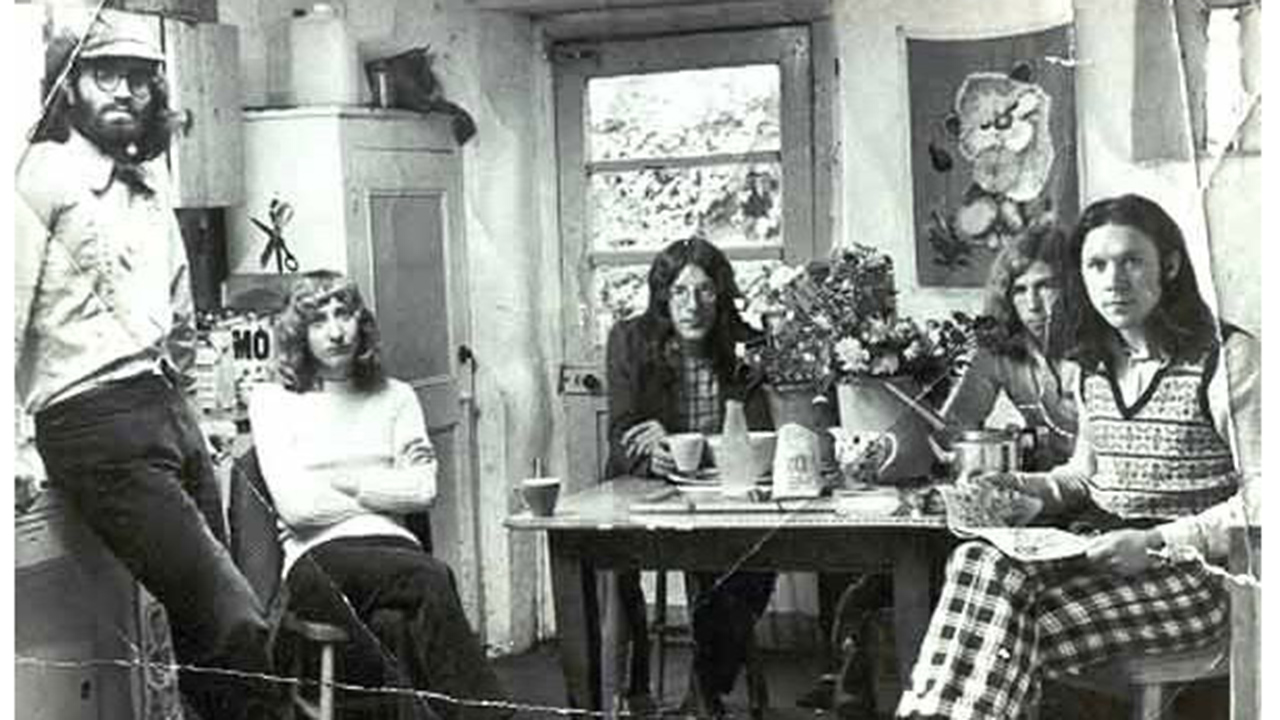
Their debut and follow-up records combined pop melody with surreal, almost whimsical arrangements. There are traces of the Beatles in their melodic sense, but the structure of their songs moves into more theatrical, folk-tinged, and sometimes eccentric territory.
Tracks often shift tone mid-song, moving from light, almost playful sections into more layered and intricate passages.
They were not heavy enough for rock audiences looking for power, and not straightforward enough for pop listeners. That left them in a space where critics appreciated the ambition, but mass audiences did not connect in large numbers.
They continued releasing strong material, but never found the one record that could anchor them commercially.
Their influence is quieter, showing up in later bands that mix pop structures with offbeat arrangements.
Black Widow
Black Widow took theatricality further than most.
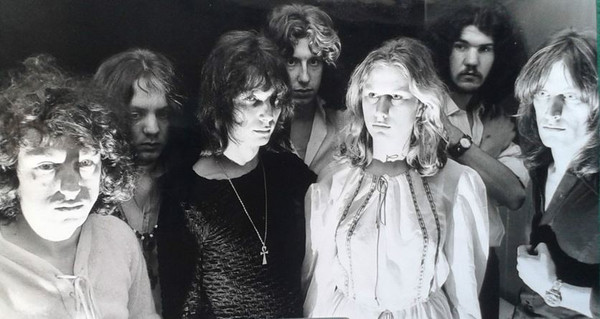
Their 1970 album Sacrifice built an identity around occult themes, ritual imagery, and stage performances that leaned into shock value. This was not subtle. They incorporated mock rituals into live shows, creating a visual identity that matched the darker tone of their music.
But underneath the imagery, the music itself was strong.
Complex arrangements, progressive structures, and a willingness to experiment with tone and pacing gave their work more depth than their reputation sometimes suggests. Songs move between heavy passages and more intricate, layered sections without losing cohesion.
The problem was perception.
The theatrical elements overshadowed the music. Some audiences saw them as a novelty act rather than a serious band. At the same time, other groups with similar dark imagery but simpler musical approaches found wider appeal.
Black Widow ended up caught between image and substance, with the image drawing attention but also limiting how seriously they were taken.
Other Names That Slipped Through
Several other bands followed similar paths, each for slightly different reasons.
Paladin brought together jazz, funk, and progressive rock on their 1971 debut. The musicianship was strong, but the blend was difficult to categorize, making it harder to market.
Fusion Orchestra, led by Jill Saward, released Skeleton in Armour in 1973. The album moves between rock, jazz, and classical elements with a powerful vocal presence, but the band did not get the support needed to build beyond that single release.
Home had connections that should have helped. They opened for major acts and included future AC/DC bassist Cliff Williams. Albums like Pause for a Hoarse Horse showed strong songwriting and melodic structure, but timing worked against them. They arrived in a crowded field and never found a defining moment.
Steve Hillage, coming out of Gong, carried space rock into a more personal, guitar-driven direction on Fish Rising. His work pushed tone and texture forward, but he remained in the shadow of larger names associated with the same scene.
Pure Hell represents a different kind of absence. Formed in the mid-1970s, they were one of the earliest all-Black punk bands. Their sound was fast, aggressive, and aligned with what punk would soon become. But they were overlooked, both because of timing and because the later narrative of punk did not include them. Their recordings circulated more widely than they should have years later.
Why These Bands Disappeared
There is no single reason.
Some were ahead of their time and arrived before audiences or labels were ready. Some were too complex. Others were too unconventional to fit into specific categories.
Timing played a role in almost every case.
So did perception.
Bands that could be easily defined had an advantage. Bands that moved between styles or resisted a fixed identity often struggled to build sustained momentum, even if the music itself was strong.
What ties all of these groups together is not failure but misalignment.
They were working at a level that did not always align with what the industry could support or what audiences were ready to absorb.
What remains is the music.
Not as background to a larger story, but as its own evidence.