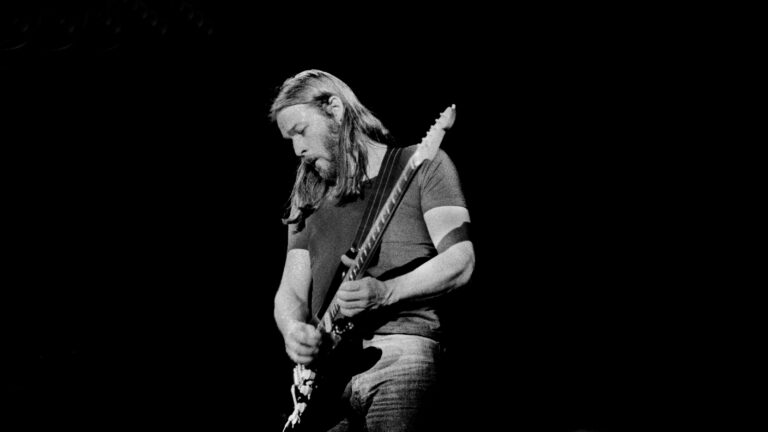

From a suburban kid building guitars out of scrap to one of the most unpredictable players in music, this is the story of obsession, and constant reinvention.
Jeff Beck was not shaped by fame.
He was shaped by curiosity.
Born in 1944 in Wallington, Surrey, he grew up in a quiet suburban environment. Not poor, not chaotic, but not connected to the music world either. His parents, Arnold and Ethel Beck, provided stability. His mother encouraged music, while his father expected a normal life.
That balance did not last for long. Music entered very early in his life
At around ten years old, Beck sang in a church choir. This was his first real experience with organized music. Timing, discipline, and performance in front of others. It was controlled, formal, and far from what he would later become.
The real shift came from sound.
He heard “How High the Moon” by Les Paul and Mary Ford on the radio. The layered guitar, the echo, the unnatural tone. He did not understand how it worked at that time, but he needed to know how to create it.
At that point, he did not own a guitar. He just knew he wanted one.
Building the Obsession Before Owning the Instrument.
Beck’s relationship with the guitar started before he even had access to one.
When he finally got his hands on an acoustic guitar around age twelve, it was incomplete. Missing strings. Not usable in a normal sense.
He did not wait for the perfect one.
He replaced the missing strings with wire taken from a toy airplane.
That tells you everything about how serious he was and how he approached music.
He was not waiting for the right conditions. He was forcing them.
Around the same time, he watched the film The Girl Can’t Help It. Cliff Gallup’s playing caught his attention. The phrasing, the attack, the sharpness of tone. Beck studied that style closely and began copying it by ear.
He did not learn through formal lessons.
He listened, copied, adjusted, and then repeated.
Teenage Years: Hustling for Sound
As a teenager, Beck went deeper into American rock and roll.
Gene Vincent. Buddy Holly. Rockabilly players with sharp timing and strong tone control. He learned to replicate styles quickly. Not perfectly, but convincingly.
Money was limited, and the gear was not easily available.
At one point, he needed a pickup and could not afford it. He stole one from a music shop. Not out of impulse, but out of necessity in his mind. He needed that sound.
He attended a Buddy Holly concert in 1958. That experience pushed him further toward live performance.
Soon after, at fourteen, he played his first gig at a local youth center.
That was the beginning.
Art School and the Decision to Commit
Beck attended Wimbledon School of Art.
Like many British musicians of that era, he found time at art school. Time to experiment, avoid traditional work, and stay close to creative circles.
He played in small bands, learned R&B structures, and improved his ear.
But art school was not the goal. Owning a Fender Stratocaster was.
He convinced his mother to help him buy one on credit. £147. A serious commitment at the time.
That debt enforced a decision. He left art school.
Music became his only direction.
Before breaking through, he worked jobs like painting, decorating, and car spraying. Short-term work. Enough to survive, not enough to settle.
Early Bands and London’s R&B Scene
By the early 1960s, Beck was active in London’s club circuit.
He formed The Nightshift and played at the 100 Club, one of the main R&B venues at the time.
He joined The Rumbles and later The Tridents. These bands mattered because of the environment.
Loud venues. Small stages. Limited equipment. High volume.
He learned how to control feedback, to push amplifiers beyond normal use.
He learned how to fill space with sound.
At the same time, his sister Annetta introduced him to Jimmy Page.
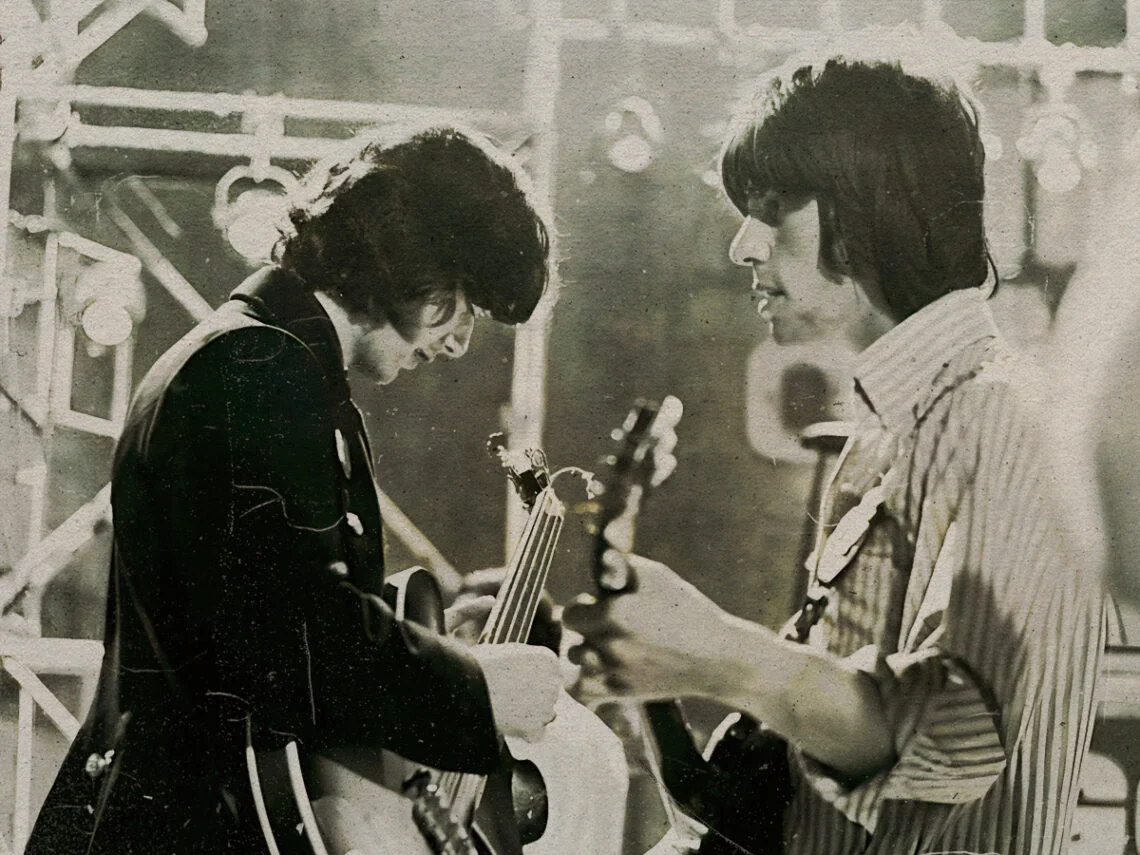
That connection stayed important for years. The Yardbirds: Short Time, Huge Impact
In 1965, Beck joined the Yardbirds, replacing Eric Clapton.
He stayed for about 20 months. That was enough to leave an impact.
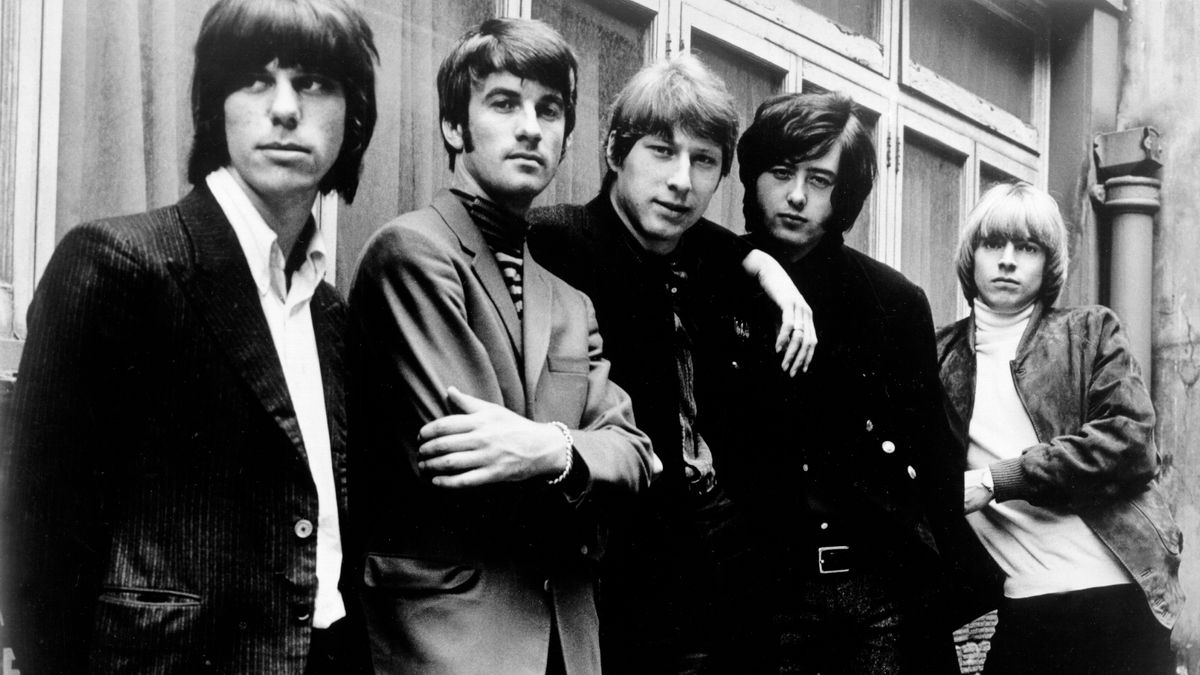
His first single with the band, “Heart Full of Soul,” introduced a new sound. Fuzz tone, controlled distortion, and a more aggressive approach to guitar.
Then came “Evil Hearted You” and “Shapes of Things.”
“Shapes of Things” stands out.
The solo used feedback, sustain, and tone shaping in a way that was not common at the time. It pushed the sound forward.
“Over Under Sideways Down” continued that direction.
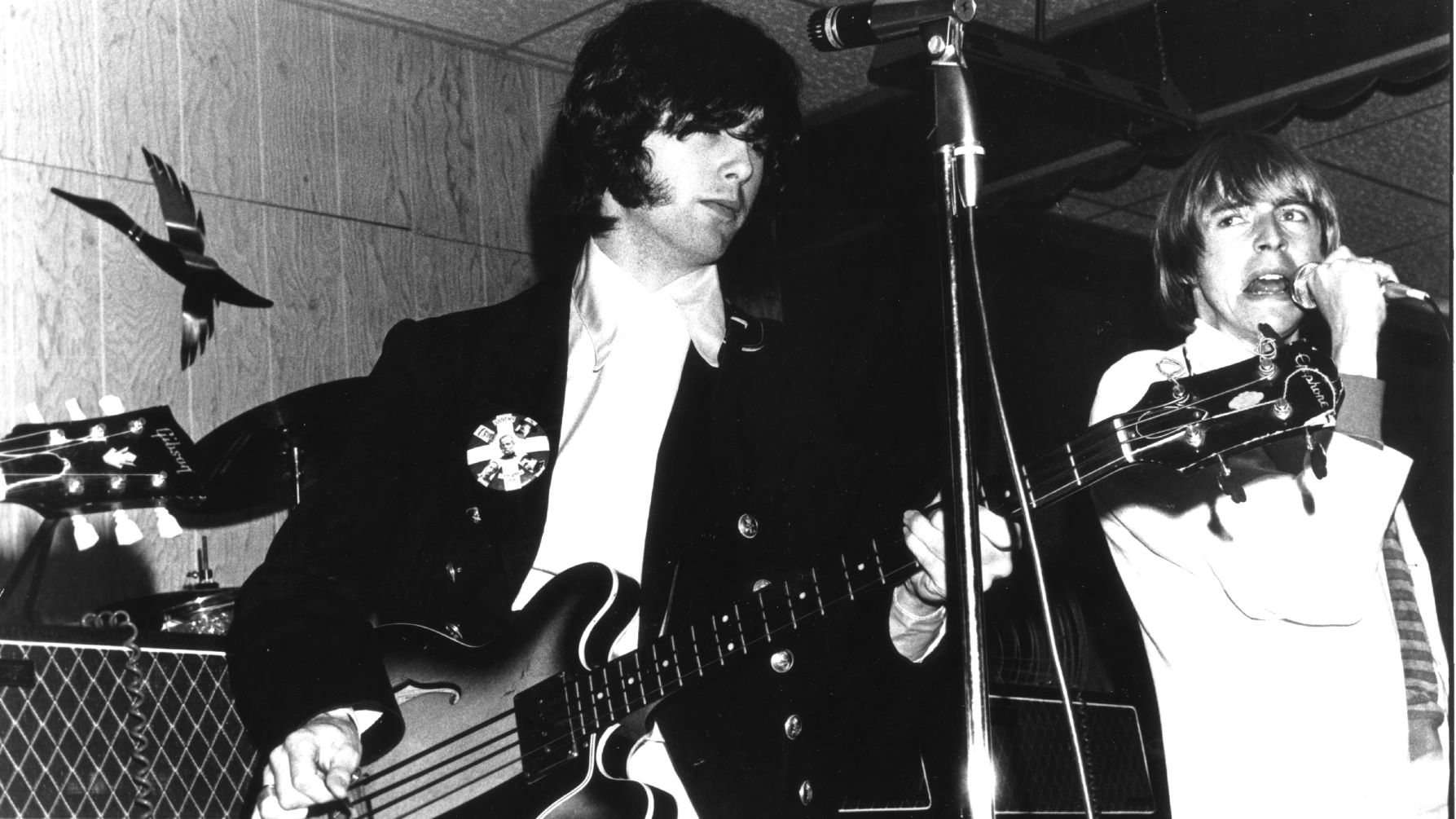
The 1966 album Yardbirds (also known as Roger the Engineer) was recorded in a rush but had a raw, experimental tone.
Beck was not just playing parts. He was testing limits.
He used feedback to shape his phrasing and pushed distortion beyond the point of clarity. He experimented with Eastern scales and unusual tonal shapes.
During this period, he was voted the top lead guitarist by Beat Instrumental magazine.
His work helped move rock from blues roots toward something heavier and more experimental.
Jeff Beck Group: Power and Breakdown
After leaving the Yardbirds, Beck formed the Jeff Beck Group with Rod Stewart and Ronnie Wood.
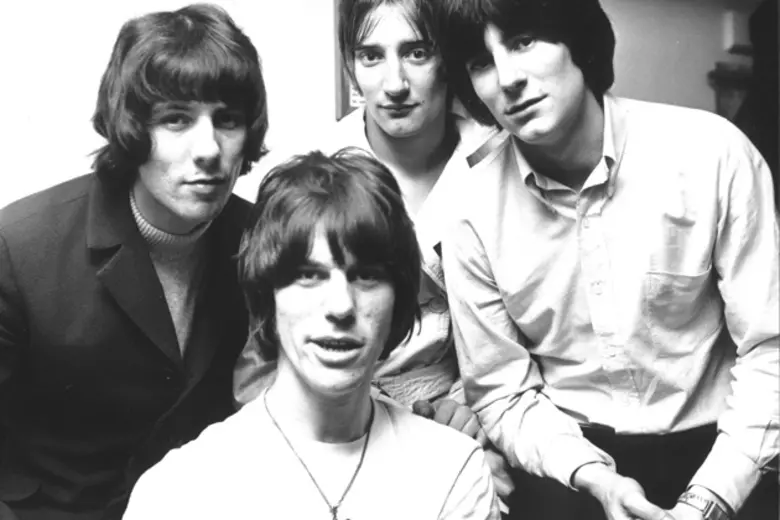
Truth (1968) introduced a heavier blues-rock sound: thick tone, strong vocals, and a focus on power.
Tracks like “Rock My Plimsoul” and “Spanish Boots” showed how he was building on his earlier work but making it more direct.
Beck-Ola (1969) pushed further. More aggressive. More raw.
But the band did not last. Internal issues and instability led to a breakup.
Reinvention: Moving Away from Rock Structure
In the early 1970s, Beck shifted direction, moving towards jazz-rock fusion.
Rough and Ready (1971) introduced funk and more complex rhythm structures.
Then came Blow by Blow (1975).
Produced by George Martin, this album removed vocals and focused entirely on instrumental work.
Tracks like “Cause We’ve Ended as Lovers” showed a different side.
Less aggressive, more controlled but expressive.
Then, Wired (1976) expanded into electronic sounds with Jan Hammer.
At this point, Beck had separated himself from standard rock guitar roles.
Playing Style: Control Over Speed
One of Beck’s biggest changes came when he stopped using a pick. He began playing with his fingers.
This changed everything. Tone became warmer. Notes connected more smoothly.
He could control dynamics directly through touch. He used the whammy bar not just for dives, but for precise pitch control, and the volume knob to shape notes mid-phrase.
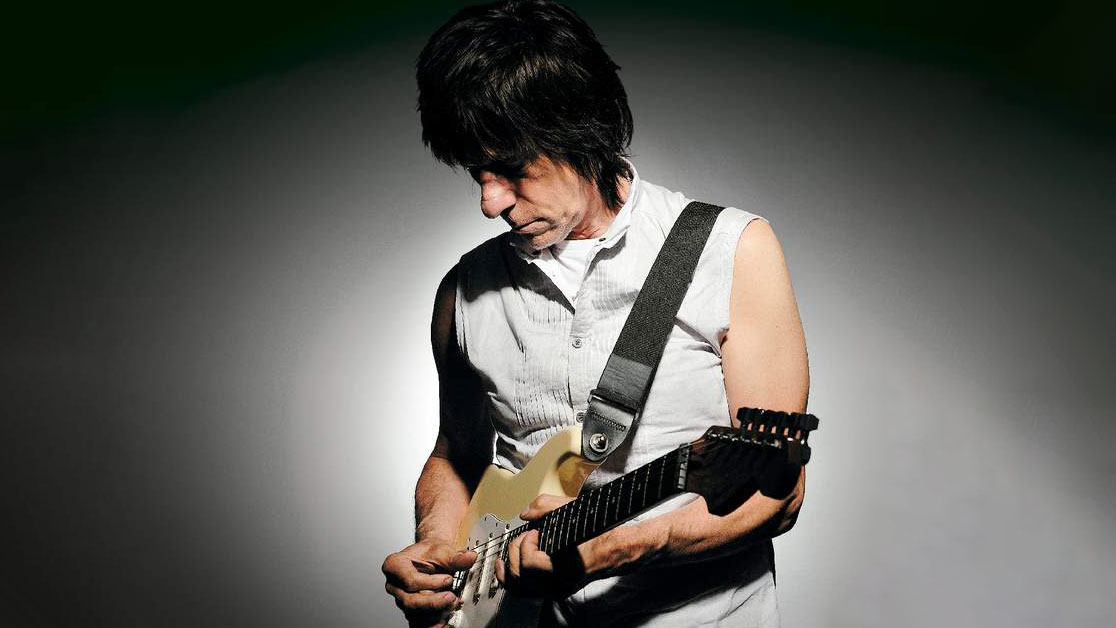
His guitar started to behave less like a guitar and more like a voice as he focused more on feel than speed.
Later Career: Constant Shifts
Beck never stayed in one style.
In the 1980s, albums like Flash experimented with pop and synthesizers.
Guitar Shop (1989) returned to a tighter trio format and won a Grammy.
In the late 1990s and early 2000s, albums like Who Else! and You Had It Coming incorporated electronic and drum-and-bass influences.
He incorporated sounds from different cultures, including Indian and Eastern European influences.
Even in his later years, he continued to refine his sound.
Personal Life: Private and Controlled
Beck’s personal life stayed mostly out of public view.
He was married to Patricia Brown in the 1960s, but the relationship ended during his early career rise.
He had a long relationship with Celia Hammond, lasting nearly two decades.
Later relationships remained low-profile.
In 2005, he married Sandra Cash. They stayed together until he died in 2023.
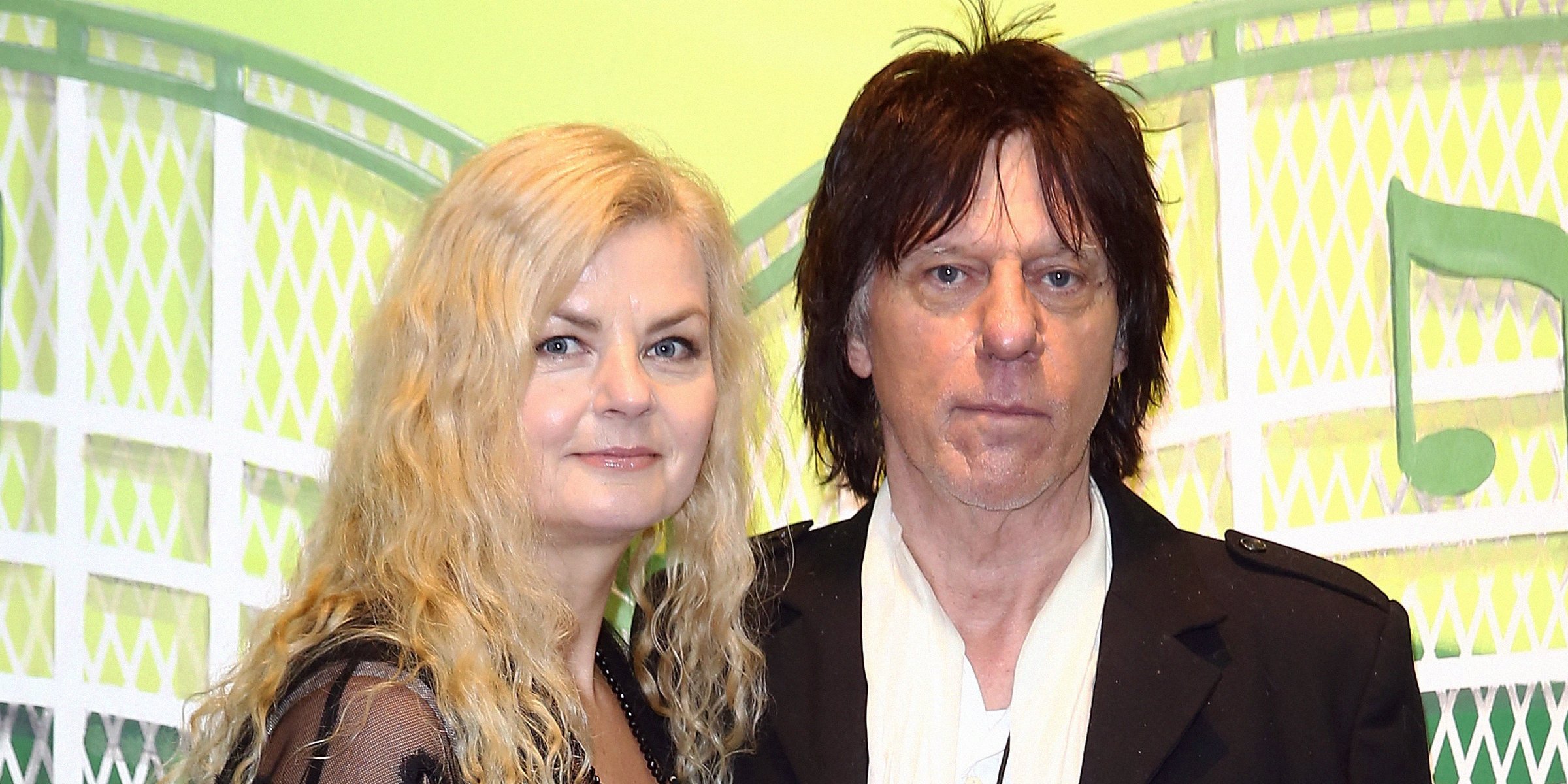
He had no children. He kept his personal life separate from his public identity.
Reputation Among Musicians
Among other musicians, Beck was known for unpredictability. He could not be easily categorized.
He did not follow trends.
He did not repeat himself.
Players respected his control over tone and phrasing. He focused on sound, not image.
Jeff Beck built his career through an obsession with sound.
He started without proper equipment. He learned by listening and adjusting.
He changed direction multiple times without losing control of his identity.
He treated the guitar as a tool to shape sound, not just play notes.
His work does not follow a straight line.
It moves through phases, each one built on experimentation and control.
That approach defined his career from beginning to end.