
How a band built from the Haight-Ashbury scene shaped psychedelic rock, faced internal conflict, and evolved into Jefferson Starship and beyond
Jefferson Airplane formed in 1965 in San Francisco, at a time when the city was becoming the center of a new musical and cultural movement. Marty Balin started the group with a clear idea. He wanted a band that could match the growing folk-rock sound but also fit the atmosphere of his nightclub, the Matrix.
To build that group, he brought in Paul Kantner on guitar and vocals, Jorma Kaukonen on lead guitar, Jack Casady on bass, Jerry Peloquin on drums, and Signe Toly Anderson on vocals.
The band took its name partly from blues musician Blind Lemon Jefferson, giving it a link to earlier American music while moving in a completely new direction. Their first performance took place on August 13, 1965, at the Matrix.
Early attention came from critics like Ralph J. Gleason, who helped bring them into wider awareness. At this stage, their sound leaned toward folk-rock, but the shift toward something heavier and more experimental was already beginning.
In 1966, a major change reshaped the band. Grace Slick joined after leaving her group, The Great Society. She replaced Signe Toly Anderson, who stepped away due to pregnancy. Slick brought not only a stronger vocal presence but also two songs that would define the band’s identity.
Their second album, Surrealistic Pillow, released in 1967, established them as one of the most influential bands of the era. The album reached number three on the charts, and its songs became widely recognized.
“White Rabbit” and “Somebody to Love” became central to their success and pushed their sound into psychedelic territory. Around the same time, Spencer Dryden joined as the drummer, completing what would become the classic lineup.
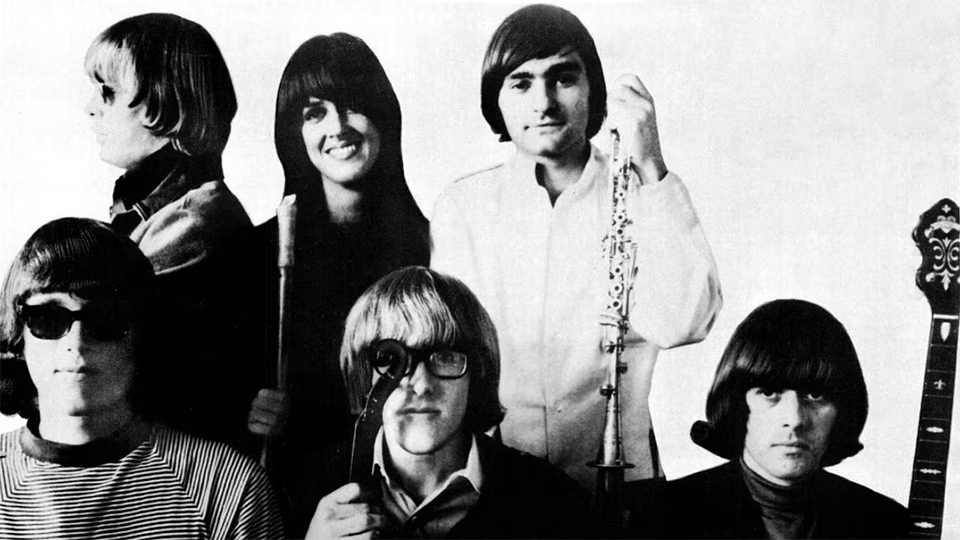
Their performance at the Monterey Pop Festival that same year further strengthened their position.
After this breakthrough, the band moved into a more experimental phase. After Bathing at Baxter’s in 1967, the band moved away from straightforward song structures and focused more on sound and atmosphere.
Crown of Creation in 1968 continued that direction, while Volunteers in 1969 brought politics into the center of their music. Songs from this period reflected the social and political tensions of the time, including opposition to war and authority.
By the end of the 1960s, the band had reached its peak in terms of influence and visibility. They performed at major events such as Woodstock and Altamont, placing them at the center of the counterculture movement.
At the same time, internal issues were growing. Differences in direction, strong personalities, and increasing drug use created strain inside the group.
Marty Balin left the band in 1969 after conflicts over creative control. His departure changed the balance within the group, leaving Grace Slick and Paul Kantner as the dominant voices. Spencer Dryden left in 1970, citing exhaustion and frustration. The band’s unity weakened further as members began focusing on separate projects.
Paul Kantner released Blows Against the Empire, a project that even received a Hugo Award nomination, showing how far his interests had moved beyond traditional rock. Jorma Kaukonen and Jack Casady developed Hot Tuna, exploring blues-based material. These side projects reduced the focus on Jefferson Airplane as a single unit.
By the early 1970s, the band was no longer functioning with the same clarity and focus. Albums like Bark in 1971 and Long John Silver in 1972 did not achieve the same impact as their earlier work. The addition of Papa John Creach on violin brought a different texture, but it did not resolve the group’s deeper issues.
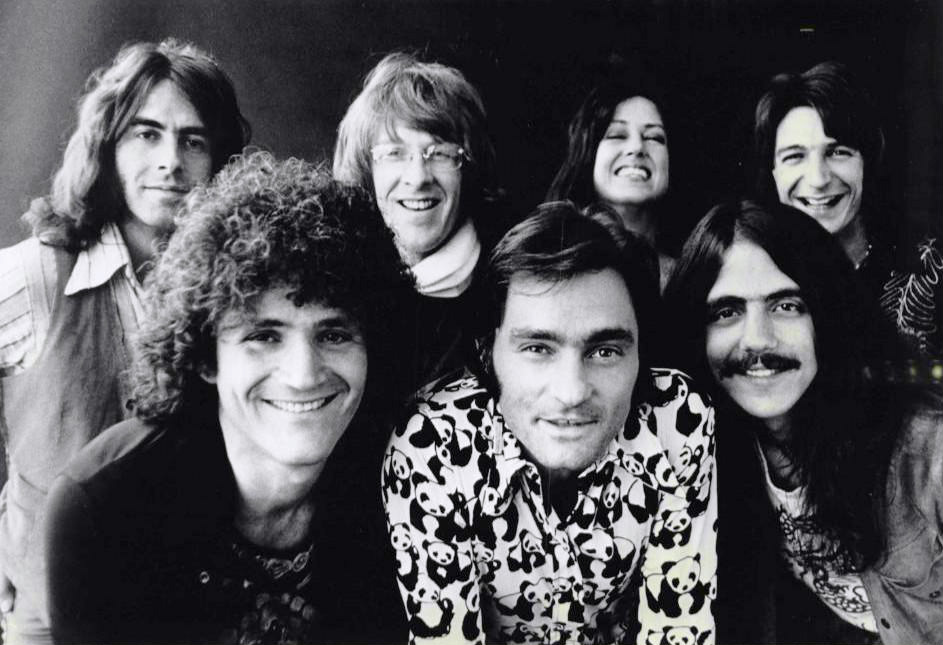
Grace Slick’s struggles with alcohol also affected the band during this period, while Kantner began developing a new direction that would move beyond Jefferson Airplane. By 1974, the transition became official. The band reformed as Jefferson Starship, marking the end of Jefferson Airplane as it originally existed.
Grace Slick’s role throughout this history remains central. Before joining Jefferson Airplane, she had already begun shaping her identity as a writer and performer in The Great Society. Her version of “White Rabbit” was already written before she entered the band, and her approach to performance brought a level of control and intensity that set her apart from many singers of the time.
Within Jefferson Airplane, she became one of the defining voices of the late 1960s. Her vocal style conveyed strength without exaggeration, and her stage presence reflected the era’s seriousness rather than performance theatrics.
She also pushed boundaries during live performances and television appearances, often challenging expectations directly.
After Jefferson Airplane disbanded, she joined Jefferson Starship alongside Paul Kantner. During this period, her personal life also changed, including the birth of her daughter China. She remained active in both group and solo work, releasing albums such as Manhole in 1974 and Dreams in 1980.
Jefferson Starship began in 1974 as a continuation of the earlier band, but with a different structure and direction. The lineup included Paul Kantner, David Freiberg, Craig Chaquico, John Barbata, Pete Sears, and Papa John Creach. Their first album, Dragon Fly, showed that the group could still reach a wide audience.
Marty Balin returned for Red Octopus in 1975, which became their most commercially successful album, reaching number one.
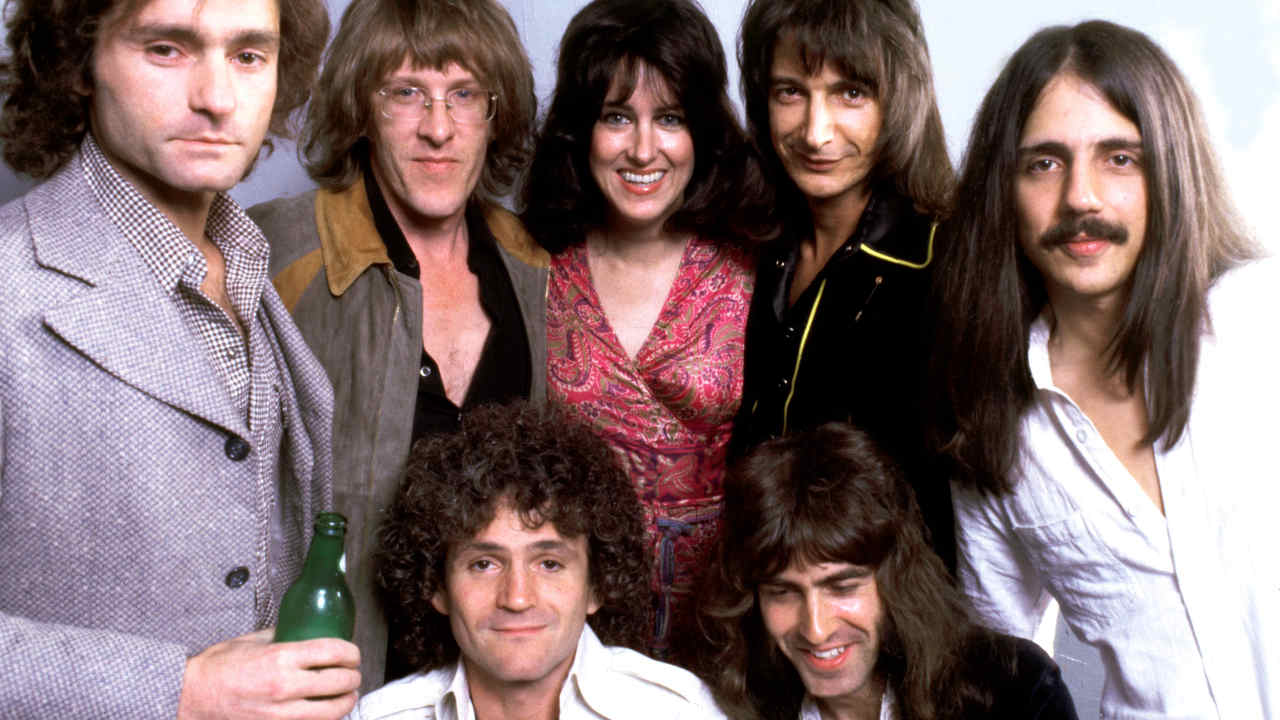
Songs like “Miracles” reflected a shift toward a smoother and more accessible sound. Through the late 1970s, they continued releasing successful records, including Spitfire and Earth, with songs such as “With Your Love,” “Count on Me,” and “Runaway.” By 1979, “Jane” marked another shift, introducing a more polished rock sound.
In the 1980s, the band moved further toward a commercial style. Grace Slick returned for a time, but the music began to rely more on synthesizers and radio-friendly production.
Albums like Winds of Change and Nuclear Furniture clearly showed this transition. In 1984, Paul Kantner left the group after disputes, and the remaining members dropped “Jefferson” from the name, becoming simply Starship.
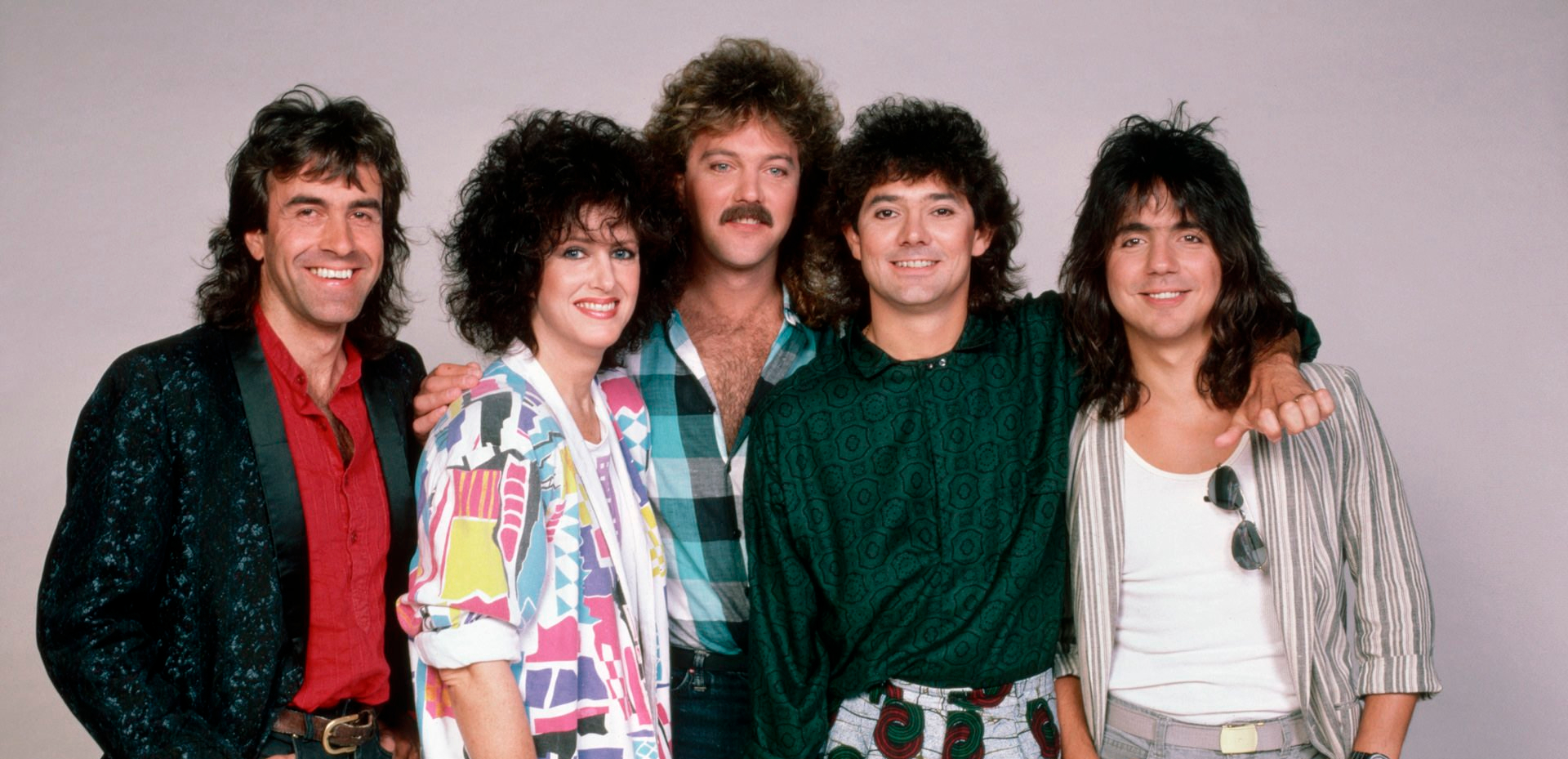
Under this name, the group reached its highest commercial peak with songs like “We Built This City,” “Sara,” and “Nothing’s Gonna Stop Us Now,” all of which reached number one. While these songs were successful, they also divided listeners, especially those who preferred Jefferson Airplane’s earlier sound.
After the late 1980s, the momentum slowed. The group’s identity had changed significantly, and its connection to its original form had become less direct. Paul Kantner later revived Jefferson Starship in the 1990s as a touring act, continuing to tour until his death in 2016.
Jefferson Airplane’s legacy remains tied to a specific moment in music history. They helped define the sound of San Francisco in the late 1960s and played a central role in shaping psychedelic rock. Their music reflected the cultural and political environment of the time without separating itself from it.
Their later transformations show how difficult it was for bands from that era to maintain the same identity over time. The shift from Jefferson Airplane to Jefferson Starship and then to Starship traces a path from experimentation to mainstream success to fragmentation.
Even with these changes, the early work of Jefferson Airplane continues to stand as one of the clearest representations of that period.