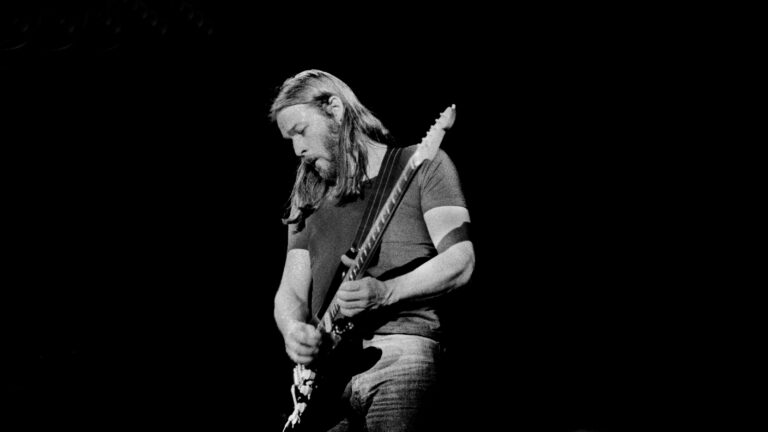


From a book-loving childhood to leading Dire Straits and shaping one of rock’s most recognizable guitar sounds.
Long before he became known as the voice and guitar behind Dire Straits, Mark Knopfler was a thoughtful boy who loved books, language, and stories. His life would follow a steady path from a modest upbringing to global musical success, and then toward a quieter career built around craft rather than fame.
Knopfler is widely known for his unique fingerstyle guitar playing and his calm, narrative songwriting. Instead of loud theatrics or flashy solos, his music often feels like storytelling set to melody. That approach that eventually made him one of the most respected musicians of his generation.
A childhood shaped by culture and history
Mark Freuder Knopfler was born on August 12, 1949, in Glasgow, Scotland. His family background played an important role in shaping his worldview.
His mother, Louisa Mary Laidler, was an English schoolteacher who valued education and literature. His father, Erwin Knopfler, had a very different story. Erwin was a Hungarian Jewish architect who fled Hungary in 1939 to escape fascism and antisemitism before the Second World War.
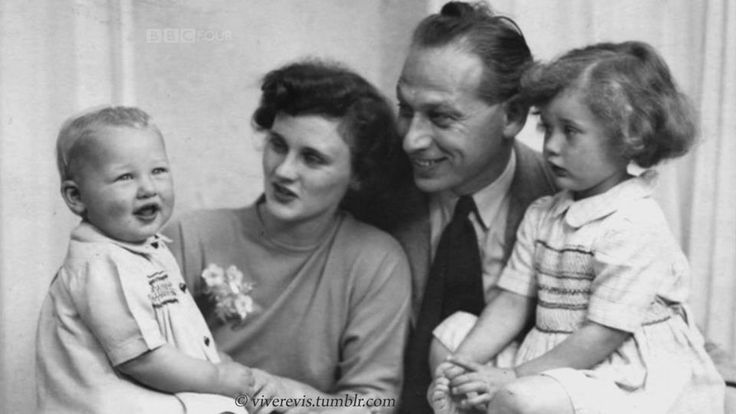
Growing up with a father who had experienced political turmoil gave Mark an early awareness of history and culture. The household was not wealthy, but it was full of books and ideas.
The family could not afford luxuries like a television or a car. Instead, evenings were often spent reading, discussing ideas, or listening to music.
When Mark was about seven years old, the family moved south to the northeast of England, settling near Newcastle upon Tyne, close to his mother’s hometown of Blyth.
This working-class region, known for shipyards, industry, and strong community life, would later appear in many of his songs. His writing often reflects the landscapes and people of northern England.
Discovering music
Music was present in Knopfler’s life from an early age.
His uncle, Kingsley, played harmonica and boogie-woogie piano, introducing him to different musical styles. His father also taught him the basics of piano and violin.
But Mark preferred learning by ear rather than formal lessons.
As a child, he became fascinated by the early wave of British rock and skiffle music. Artists such as Lonnie Donegan and the guitarist Hank Marvin of The Shadows made a deep impression on him.
Marvin’s red Fender Stratocaster became one of Knopfler’s early musical dreams.
When he was about fifteen, he finally convinced his father to help him buy a guitar. It was not the famous Stratocaster he admired, but a cheaper Höfner electric guitar.
Still, it was enough.
Knopfler began teaching himself chords and blues patterns. He practiced constantly and started playing with friends in small local bands during his teenage years.

During this period, he also developed the finger-picking technique that would later define his style.
Unlike many guitarists, Knopfler did not use a pick. Instead, he played with his fingers, creating a clean, expressive sound that made it feel as if the guitar were speaking.
Education and early work
Although music was already important to him, Knopfler did not immediately choose a full-time career as a musician.
He was a strong student, especially in English and literature. After finishing school at Gosforth Grammar School, he studied journalism at Harlow College and later English at the University of Leeds, graduating in 1973.
His interest in language and storytelling continued during these years.
At one point, he worked as a junior reporter for the Yorkshire Evening Post in Leeds. The job required careful observation and clear writing skills that later shaped his songwriting.
But journalism did not fully satisfy him.
Knopfler soon realized that music was where his real passion lay. After leaving the newspaper, he spent his evenings teaching English and playing guitar in bands.
Life was not easy during this time. Money was limited, and living conditions were basic.
He later described sleeping on an ambulance stretcher instead of a proper bed in a cold rented room.
Yet these years helped him develop as a musician and songwriter.
The birth of Dire Straits
In 1977, Knopfler moved to London and shared a small flat in Deptford with his younger brother David Knopfler and bassist John Illsley. Drummer Pick Withers soon joined them.
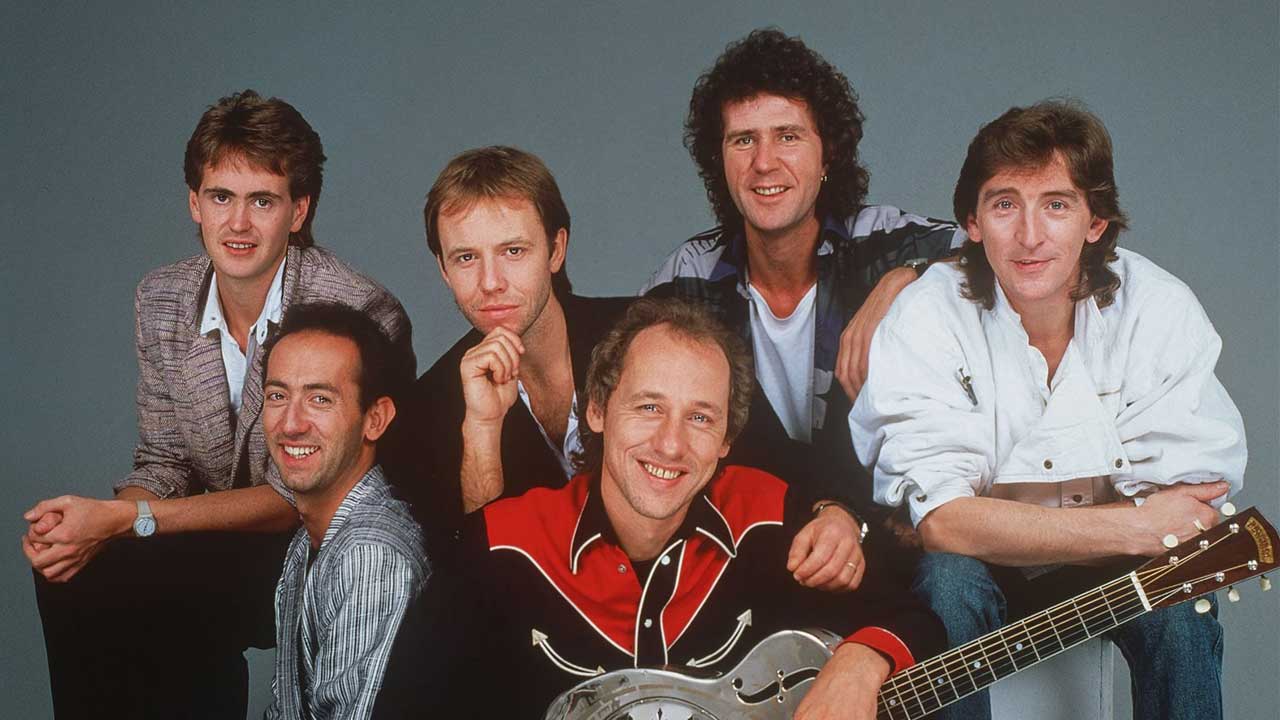
Together they formed Dire Straits.
The band’s name reflected their financial situation at the time. “Dire straits” means being in serious difficulty, and the musicians were indeed struggling to make ends meet.
They recorded a simple demo tape that included a song called Sultans of Swing.
When British radio DJ Charlie Gillett played the track on air, listeners immediately noticed the unusual sound. The clean guitar tone and conversational storytelling style stood out from the louder rock music of the era.
Soon after, the band signed with Phonogram Records.
Their first album, Dire Straits, released in 1978, quickly gained international attention.
Rising success
Dire Straits built their reputation through strong musicianship rather than fashion or trends.
Albums like Communiqué (1979), Making Movies (1980), and Love Over Gold (1982) showed increasing ambition and depth.
Songs such as “Romeo and Juliet” and “Telegraph Road” revealed Knopfler’s talent for storytelling.
His lyrics often read like short stories, describing ordinary people, fading dreams, and moments of quiet reflection.
The band reached an even greater level of success in 1985 with Brothers in Arms.
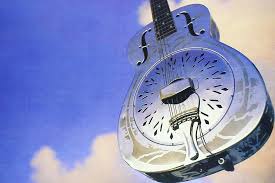
The album included popular tracks such as Money for Nothing, Walk of Life, and So Far Away.
Brothers in Arms became one of the best-selling albums in music history and helped turn Dire Straits into one of the biggest bands in the world.
The cost of fame
Despite the enormous success, Knopfler never seemed comfortable with the scale of fame.
Large stadium tours and constant attention from the music industry began to feel overwhelming.
He later described the experience as “dehumanizing,” saying that the focus often shifted away from the music itself.
After a hiatus in the late 1980s, Dire Straits reunited briefly to record On Every Street in 1991.
But the intense touring that followed confirmed Knopfler’s feeling that the band had grown too large.
In 1995, he officially ended Dire Straits.
Unlike many famous bands, he has consistently refused reunion offers, choosing instead to move forward quietly with new music.
A quieter solo career
After leaving Dire Straits, Knopfler took time away from the spotlight.
His first solo album, Golden Heart, appeared in 1996 and introduced a softer, roots-influenced style.

Instead of arena rock, his solo music blended folk, blues, country, and Celtic influences.
Over the years, he released several well-received albums, including Sailing to Philadelphia, Shangri‑La, and Down the Road Wherever.
He also collaborated with respected musicians such as Emmylou Harris, Chet Atkins, Bob Dylan, and Eric Clapton.
Alongside his albums, Knopfler composed music for films including Local Hero and The Princess Bride.
These soundtracks showed another side of his musical imagination—gentle, atmospheric, and deeply emotional.
The person behind the guitar
Unlike many rock stars, Mark Knopfler has always lived a relatively private life.
Friends and colleagues often describe him as thoughtful, humorous, and modest.
He rarely presents himself as a “guitar hero.” Instead, he sees himself as a songwriter and craftsman who enjoys shaping melodies and stories.
Knopfler is known for his careful working style. He often spends long periods refining arrangements and recording details until they feel right.
He also has interests outside music, including classic cars and motorcycles, and has supported music education charities.
A lasting legacy
Today, Mark Knopfler is widely regarded as one of the most distinctive guitarists in modern music.
His playing style, clear, melodic, and expressive, remains instantly recognizable.
More importantly, his songs continue to resonate because they focus on human stories rather than spectacle.
Whether writing about working-class towns, forgotten dreamers, or quiet moments of reflection, Knopfler approaches music as a storyteller.
In a world of loud performances and fast fame, his career shows another path.
A path built on patience, craft, and the simple power of a guitar telling a story.