

From a difficult youth in Port Arthur to Monterey, Woodstock, and Pearl, Janis Joplin built one of the most intense careers in rock before dying at 27.
Janis Joplin’s story begins in Port Arthur, Texas, not in San Francisco.
She was born on January 19, 1943, into a middle-class family. Her father, Seth Joplin, worked as an engineer at Texaco. Her mother, Dorothy, worked at a business college.
Janis was the oldest of three children, and in her early years, the home was stable, educated, and supportive in ways that mattered. Books were encouraged. Music was present. She sang in the church choir and was baptized at the First Christian Church in 1950.
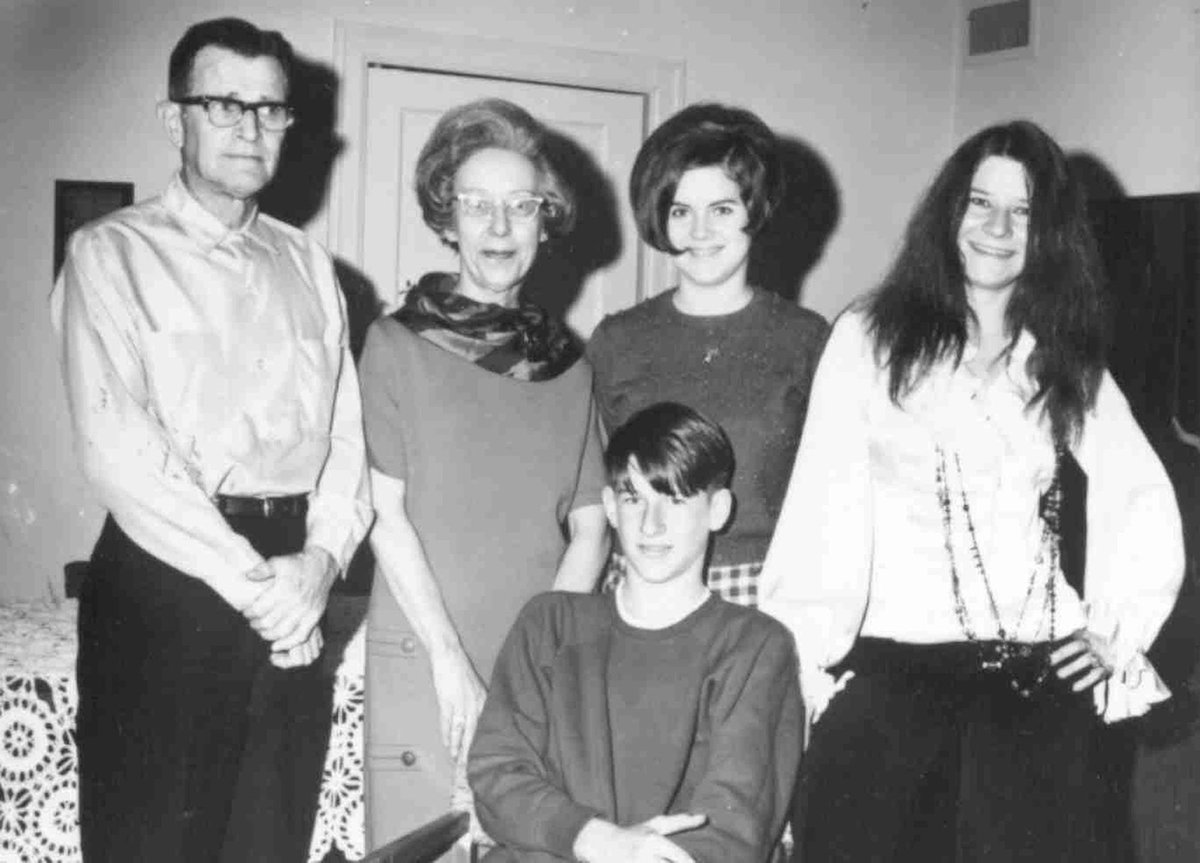
As a child, Janis was bright, intense, and emotionally demanding. Her parents themselves noticed that she needed a lot of attention. That intensity later became one of the clearest parts of her music and her public image.
She never did anything halfway. That included singing, drinking, loving, fighting, and falling apart.
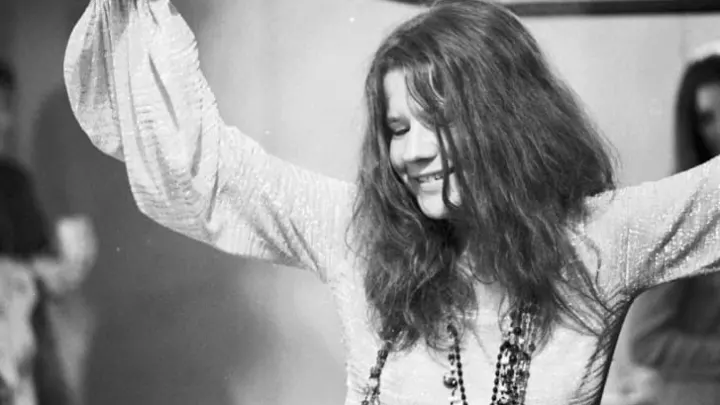
Her school years changed her a lot. Around fourteen, she developed severe acne and gained weight. In Port Arthur, a conservative town with rigid social expectations, that made her an easy target. She was mocked for how she looked, how she dressed, and the kind of people she liked.
She did not fit the local model of femininity. She was loud, awkward, defiant, and interested in things that were already pushing her away from the crowd.
That outsider status shaped almost everything that came later.
She found her people among a smaller circle of misfits and record collectors. These were the kids listening to jazz, blues, and folk records instead of safe pop music.
Through them, Janis found Bessie Smith, Ma Rainey, Big Mama Thornton, Lead Belly, Odetta, and other blues and folk-blues artists. That discovery gave her more than musical taste. It gave her a language, the way she could express and communicate with the world.
Blues let her sound hurt, angry, sexual, lonely, proud, and damaged without any apologies.
That mattered to someone growing up in a place where she already felt watched and judged.
Bessie Smith became one of her deepest influences. Janis learned from the size of Smith’s voice, the way she could dominate a room, stretch a phrase, and turn a lyric into a personal wound. Ma Rainey gave her theatrical swagger, growls, and a rougher, vaudeville-blues looseness.
Big Mama Thornton gave her something even closer to what she later became on stage: harsh timbre, shouted phrasing, heavy groove, and total refusal to sound polished.
This is important when we are talking about Janis Joplin. Her style was built on close, focused listening. She took specific characteristics from earlier legendary blues women and carried them into electric rock.
From Big Mama Thornton, she took the refusal to sound pretty. Thornton sang with attack, gravel, and force. Janis did the same. She pushed her voice until it cracked, frayed, and scraped.
From Bessie Smith and Ma Rainey, she learned to drag lines across the beat, bend notes, and use raw emotional pressure rather than neat phrasing. From Odetta and Lead Belly, she picked up narrative force and talk-singing, where lines could move between speech and song.
She began singing blues and folk with friends while still in Texas. By the time she was at Thomas Jefferson High School, the basic elements of her style were already forming. She was not technically polished. She was emotionally direct.
That became her greatest strength.
After high school, she moved unevenly through college and early adulthood. She briefly attended Lamar State College, then took secretarial courses, then tried Los Angeles, then moved to Austin and enrolled at the University of Texas to study art.
In Austin, she began performing more publicly. She appeared in local folk and blues circles and became known as an unconventional singer and personality. Even then, people noticed that she was hard to ignore.
But Austin was not enough. By 1963, she had moved to San Francisco, where the bohemian scene offered freedom, danger, and the possibility of becoming someone else.
This first San Francisco period nearly destroyed her.
She lived hard, drank heavily, used amphetamines, and looked increasingly unwell. Friends became alarmed enough to send her back to Texas to recover. That retreat could have ended the story.
In 1966, after a period back home, she was invited to rejoin the San Francisco scene as the singer for Big Brother and the Holding Company. This was the real turning point. Big Brother had energy but lacked a focal point.
Janis became that focal point instantly.
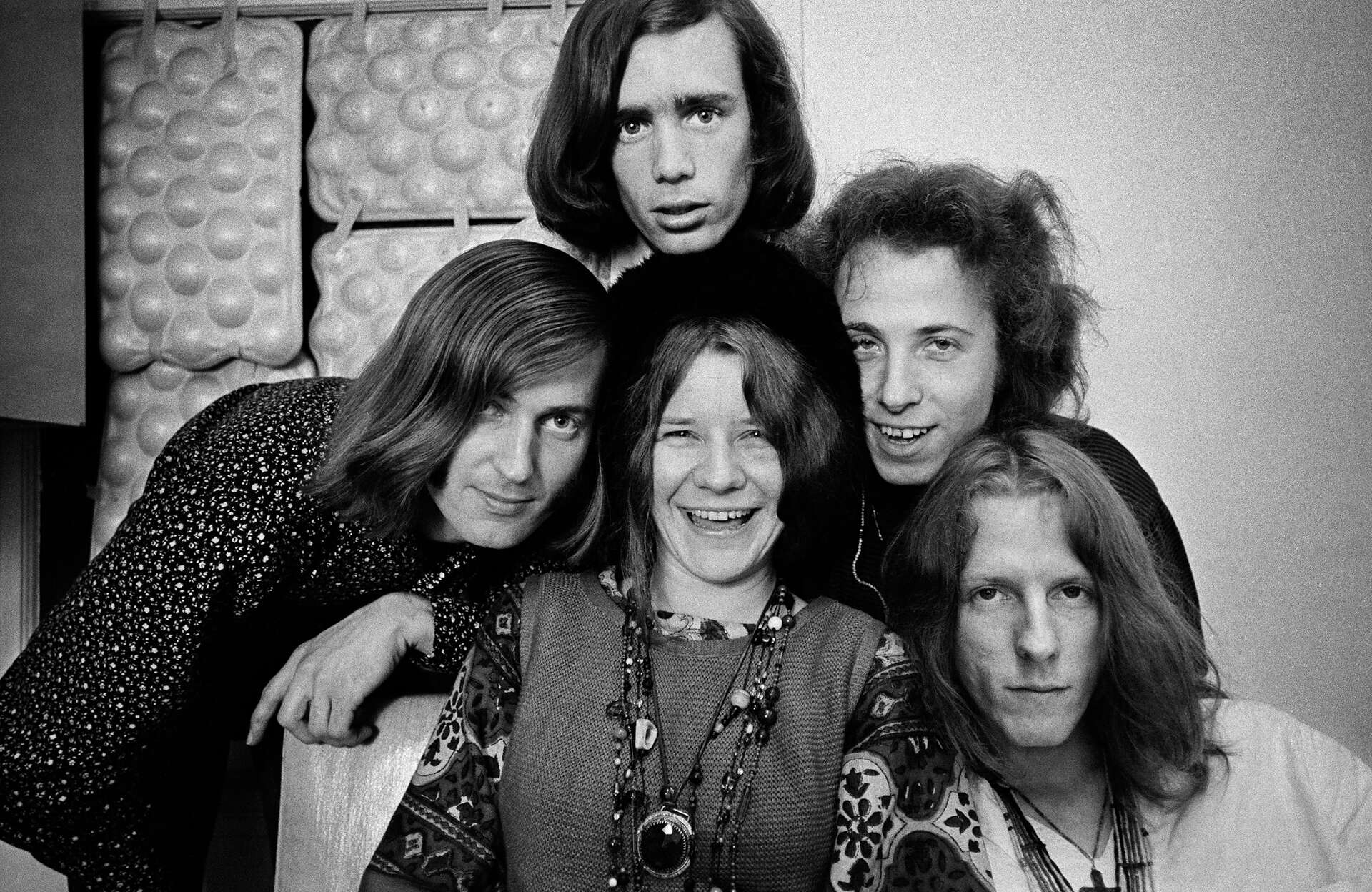
Her voice changed the balance of the band.
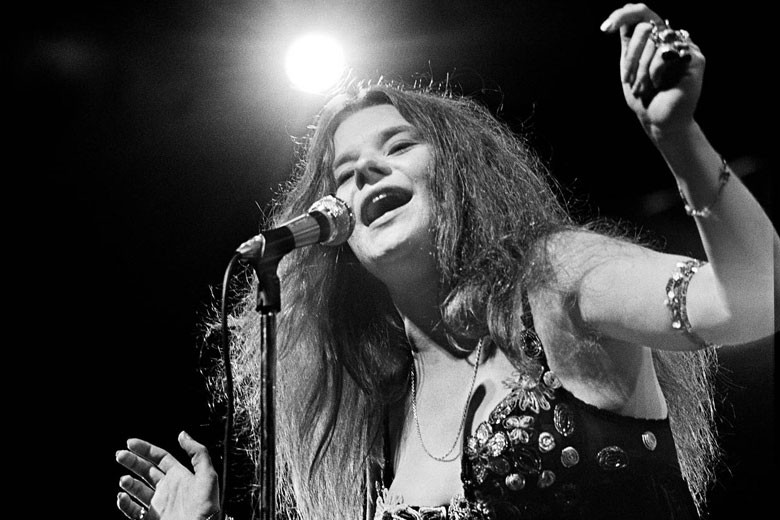
She did not sing above the group. She attacked it. She turned performances into confrontations. The major breakthrough came at the Monterey Pop Festival in 1967, where her version of “Ball and Chain” made her famous almost overnight.
That performance remains one of the clearest examples of what she could do. You could hear Big Mama Thornton in the song choice and the phrasing, but Janis does not sound like a copy. She sounded like someone using blues vocabulary to tear herself open in public.
Monterey made her a star. Cheap Thrills in 1968 made her a national force. The album went to number one and included “Piece of My Heart,” which became one of her defining recordings.

Her singing on that track showed nearly everything people mean when they describe Janis Joplin: the rasp, the scream, the phrasing that slips behind the beat and then lunges forward, the feeling that the line might break apart but never does.
By then, her style was fully formed. She mixed electric blues, gospel intensity, soul urgency, and rock volume. She did not sing like the polished female pop vocalists of the period. She sang like someone trying to overpower the band, the room, and the pain behind the lyric.
Still, Janis was not satisfied with Big Brother. She wanted more control and a sound closer to soul, rhythm, and blues. So she left and formed the Kozmic Blues Band.
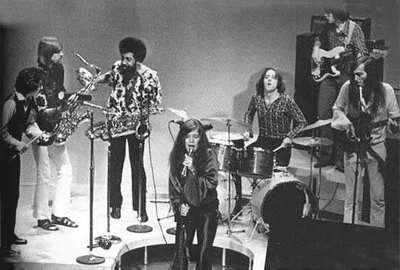
This was a deliberate move toward horn arrangements and a more professional revue structure. The result, I Got Dem Ol’ Kozmic Blues Again, Mama! In 1969, it always divided listeners a bit. Some hear a restless artist stretching out. Others hear a band that never quite settled around her. Both views have some truth.
She also performed at Woodstock during this period, but her own later feelings about that performance were mixed. The scale was huge, but she often did her best work when the tension inside the song stayed tight rather than sprawling.
In 1970, she made another key adjustment and formed the Full Tilt Boogie Band. Many people who know her catalog well consider this the best band she has ever had. The group was tighter, more sympathetic to her phrasing, and better at giving her room without losing shape. With them, she began recording Pearl.
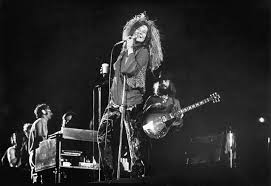
The voice was still raw, but the performances were more focused. She sounded less chaotic and more deliberate. That does not mean calmer. It means more control.
Songs like “Me and Bobby McGee” and “Cry Baby” show range, authority, and a stronger connection between voice and arrangement. Even “Mercedes Benz,” recorded almost like an offhand statement, captures her wit and instinct.
At the same time, her personal life remained unstable. Publicly, Janis looked flamboyant, fearless, and free. Privately, she was often lonely and deeply insecure. The wounds from Port Arthur never really disappeared.
She moved through relationships with men and women, drank heavily, and struggled with heroin. Southern Comfort became part of her image because it was part of her daily reality.
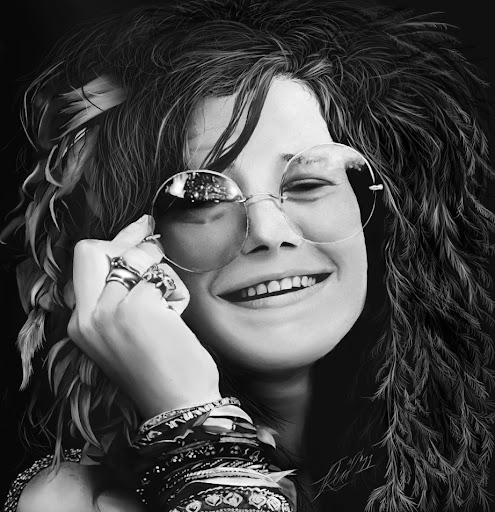
People around her often saw both versions of her. On stage, she could dominate a crowd. Offstage, she could be fragile, needy, funny, and unsure of herself. That contrast is one reason people who knew her often speak about her with such mixed emotions.
She was magnetic and difficult at the same time.
On October 4, 1970, during the Pearl sessions, Janis Joplin was found dead in her hotel room in Hollywood. The cause was ruled a heroin overdose, likely worsened by alcohol.
She was twenty-seven.
Pearl was released after her death in 1971 and became the strongest studio statement of her career. It also locked her place in music history. She became the central white female blues-rock voice of the 1960s, though that phrase only tells part of the story.
Janis Joplin borrowed deeply from blues and folk traditions, then carried those elements into louder, more visible spaces. She influenced later singers by removing the safety net from rock singing. She made emotional expressions and risk sound normal.