
From club gigs as Mighty Joe Young to arena success, addiction, reinvention, & survival, this is the full story of a band that started in the shadow of grunge & ended up with a much broader identity
Stone Temple Pilots emerged from the late 1980s California scene, but they never fit into one box. For years, people reduced them to one label. Grunge followers. Sound-alikes. Opportunists arriving at the right moment. That story was easy. It was also incomplete.
The real story is more interesting.
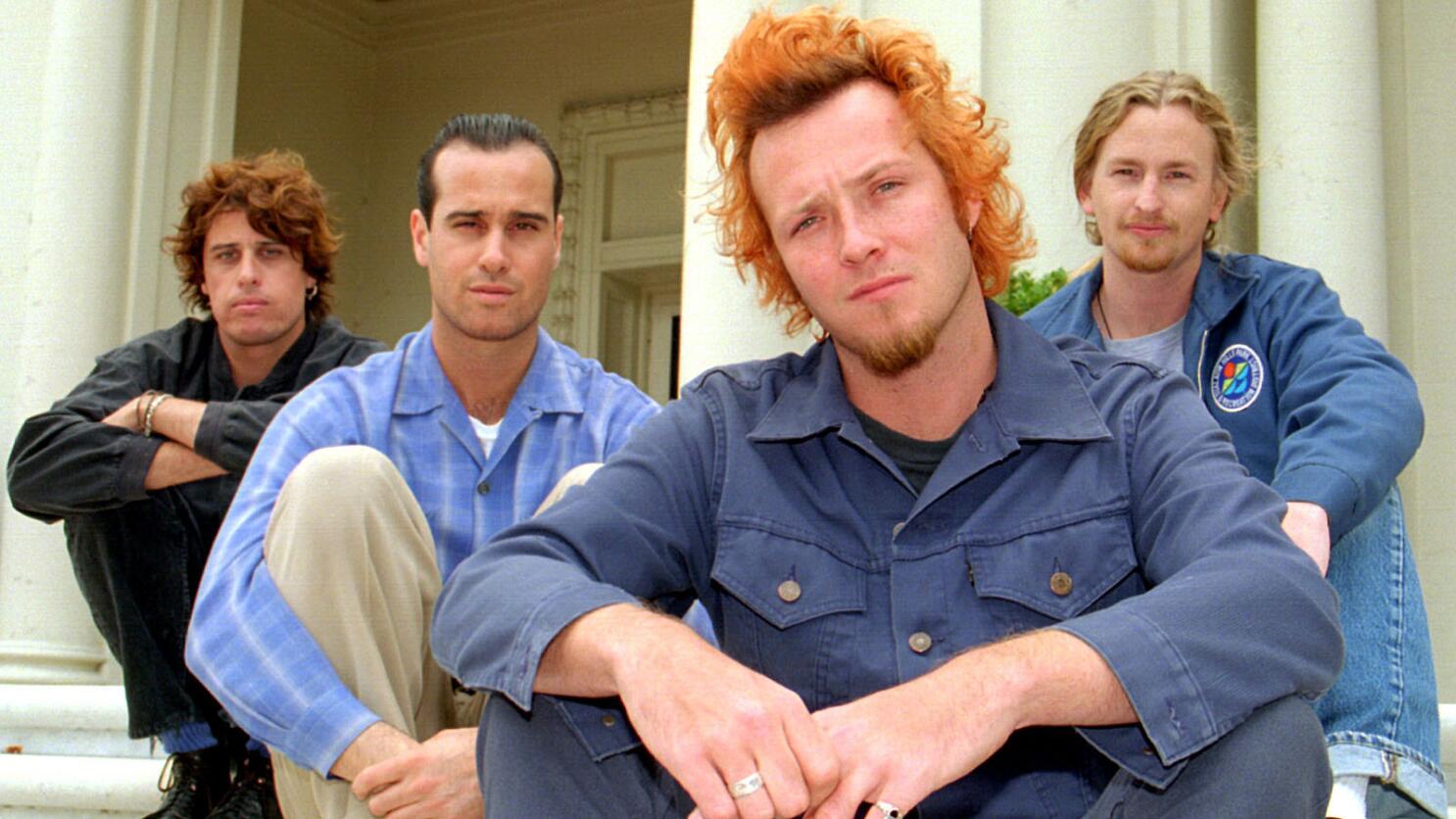
The core of the band came from two brothers, Dean DeLeo on guitar and Robert DeLeo on bass. They had grown up in New Jersey, played together early, and later moved west. Robert met Scott Weiland at a Black Flag show.
The famous detail is that they realized they were dating the same woman. Instead of ending as enemies, they became friends and started playing together. With Eric Kretz on drums and Dean joining on guitar, the lineup was complete.
Before they became Stone Temple Pilots, they worked under earlier names, including Swing and then Mighty Joe Young, building a local following in Southern California clubs.
That early period mattered because the band did not appear fully formed. They played small gigs, developed chemistry, and learned how to function as a unit before the fame arrived. One key early show was opening for Henry Rollins at the Whisky a Go Go. They were still hungry, still proving themselves, still playing to get noticed.
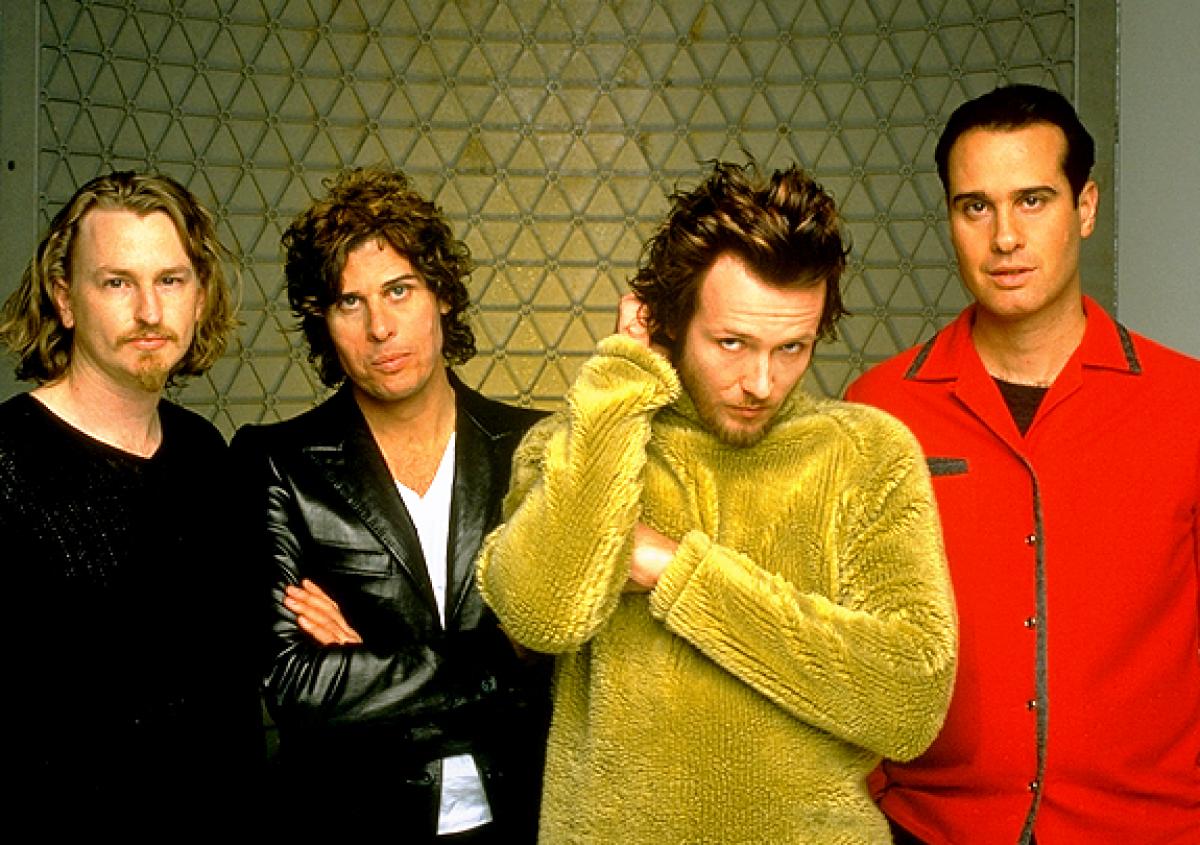
The name change also became part of their origin story.
While making their debut, they learned that the name Mighty Joe Young was already legally taken.
The initials STP stayed in their minds because of the old motor oil logo they remembered from childhood. After playing around with words, they landed on Stone Temple Pilots. It sounded strange enough to stand out and strong enough to last.
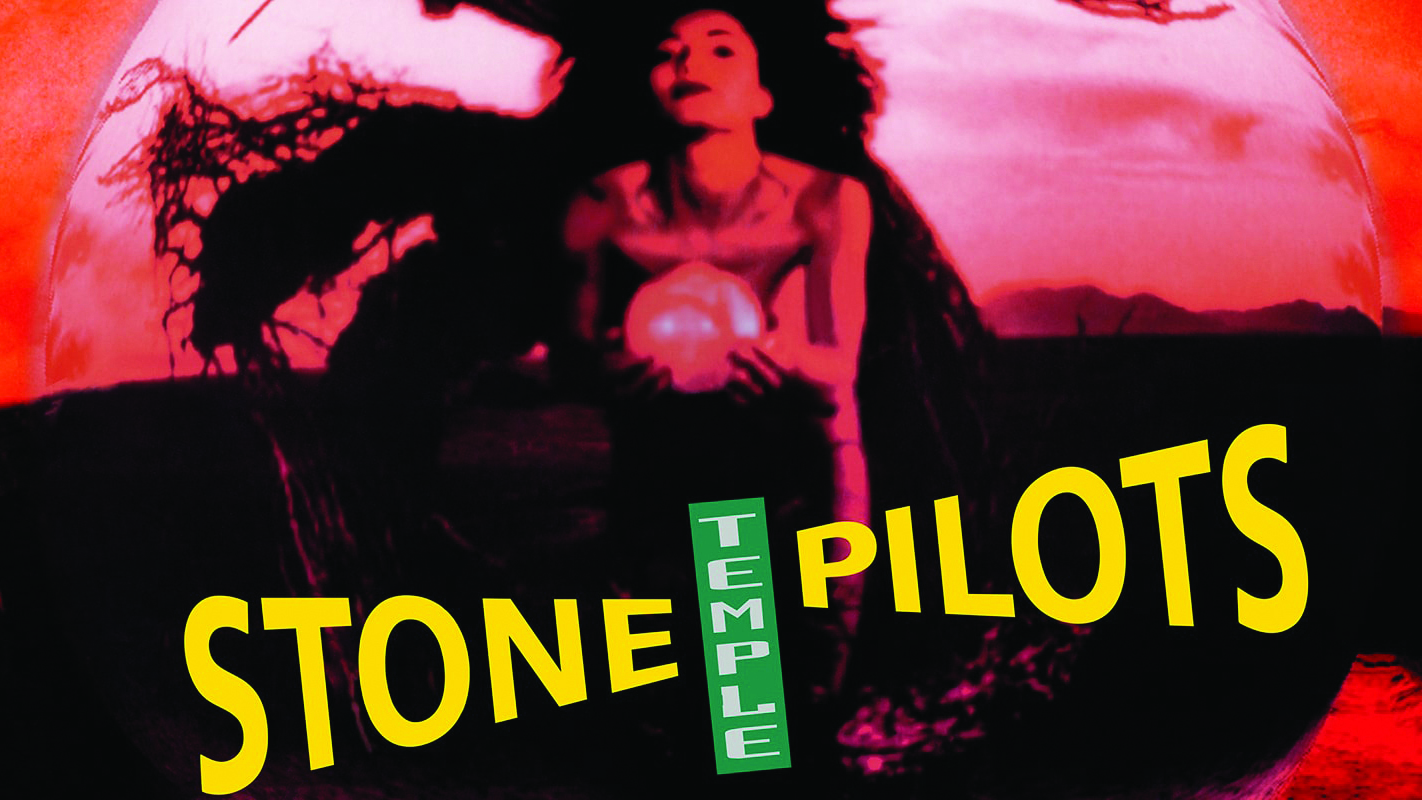
Their debut album, Core, arrived in 1992, right in the middle of the grunge explosion. That timing both helped them and hurt them.
It helped because rock radio and MTV were hungry for heavy, emotionally charged bands. It hurt because critics immediately compared them to Seattle groups, especially Pearl Jam, Alice in Chains, and Soundgarden.
Even Scott Weiland’s voice was constantly compared to Eddie Vedder’s. The band pushed back against that idea, arguing that they were drawing on many of the same older influences as the Seattle bands, not copying them directly.
But for me, they were always very different from the lot. They had their own identity and sound.
Whatever critics thought, Core connected with listeners in a big way. Songs like “Plush,” “Sex Type Thing,” and “Creep” gave them a huge radio presence.
The sound was heavy, but not one-dimensional. Dean DeLeo’s guitar work was layered and strong. Robert DeLeo’s bass lines gave the songs shape and movement. Eric Kretz brought a groove that was not just blunt-force drumming. And Weiland could move between menace, vulnerability, and full-on rock frontman swagger.
That balance became clearer on Purple in 1994. This was the album that proved they were not a one-record act. It debuted at number one on the Billboard 200 and stayed there for three weeks, with strong first-week sales.
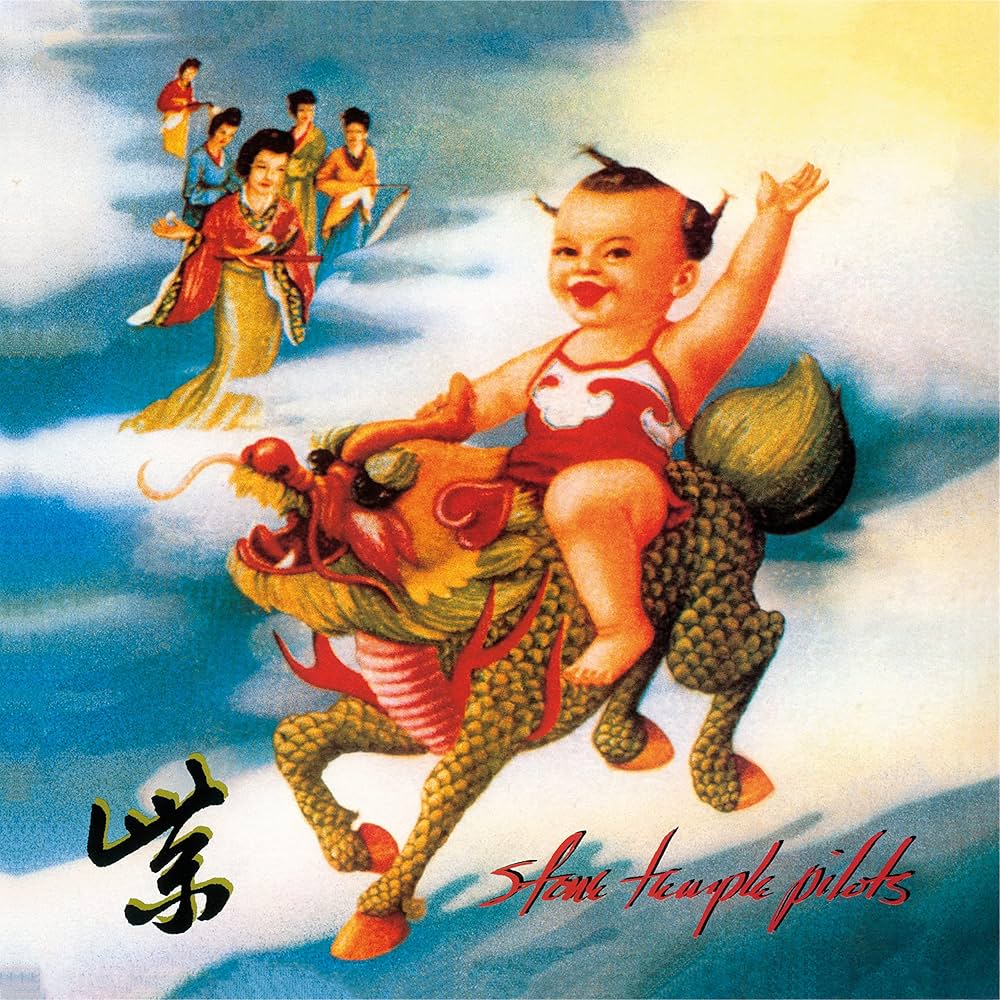
It also produced some of the band’s most amazing and long-lasting songs, including “Interstate Love Song,” “Vasoline,” and “Big Empty.” The success of Purple showed that STP could expand their sound without losing the audience.
Psychedelic touches, country influence, more melodic structure, and stronger songwriting all started coming through more clearly.
By this point, the band was massive. They had the radio super hits, the album sales, and the visual presence to compete with the biggest American rock bands of the decade. But this is also where the personal problems began to pull harder on the group.
Scott Weiland became the focus of both the band’s charisma and its instability. He was talented, adaptable, and magnetic, but addiction kept damaging momentum. Arrests, rehab, legal trouble, and inconsistency disrupted touring and recording.
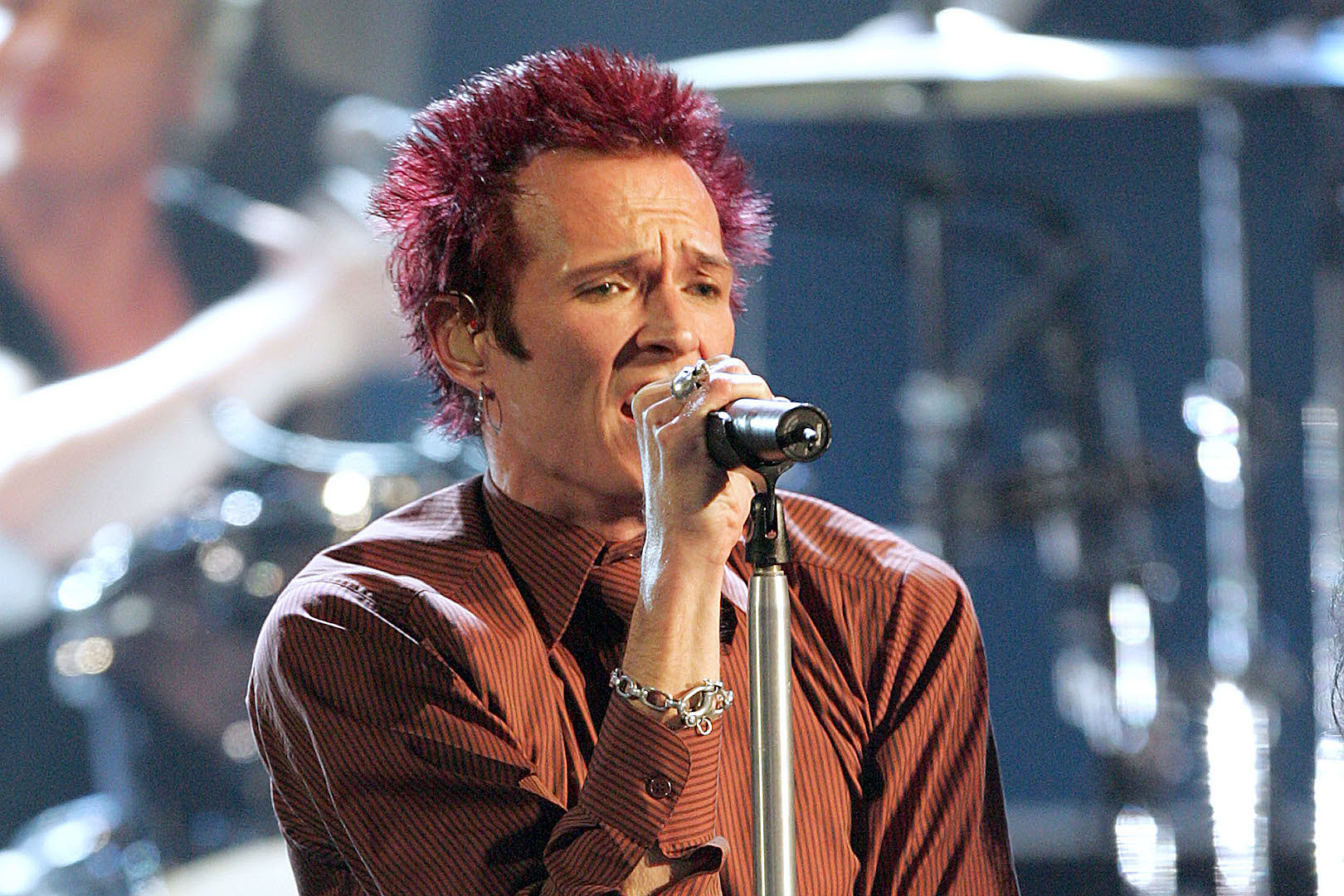
That tension shaped almost every later phase of the band’s career. It also made the public story of STP increasingly centered on Scott’s struggles, even as the band itself was still evolving creatively.
The clearest example of the band refusing to play it safe came with Tiny Music… Songs from the Vatican Gift Shop in 1996. This record matters because it is where STP deliberately walked away from the easiest version of themselves.
Instead of repeating Core or Purple, they moved into something brighter, stranger, and more playful. Glam rock, psychedelic pop, jangle, lounge touches, and a looser studio atmosphere changed the band’s sound.

Part of it came from Scott Weiland’s growing interest in David Bowie, glam rock, and a more theatrical image. He was moving away from the heavier grunge look and voice people had associated with him. Part of it came from the band’s frustration with being boxed in as grunge copycats.
They had taken years of criticism, and Tiny Music became their answer. It said clearly that they could write in different styles and were not interested in repeating a single successful formula forever.
The recording setup also helped. They tracked the album in a ranch house in Santa Ynez, using the rooms and the atmosphere as part of the sound, which encouraged experimentation and a more relaxed, idea-driven process.
You can hear that freedom all over the record. “Big Bang Baby” is glammy and loose. “Lady Picture Show” has a lighter, swinging feel. “Adhesive” is dreamlike and slow. “Art School Girl” shifts violently between quiet and chaos.
The album did not try to sound unified in one narrow way. It moved like a collage. At the time, some listeners were confused by it. Later, the record gained more respect because it showed that STP was willing to risk momentum for range.
That willingness to change was one of the band’s best qualities. It also made their catalog stronger than many people gave them credit for in the 1990s. Over time, the critical view of STP shifted. What once looked to some like imitation started to look more like flexibility.
Their albums showed classic-rock influence, psychedelic ideas, pop instincts, funk touches, bossa nova on songs like “And So I Know,” and a strong melodic center that set them apart from many heavier peers.
The late 1990s and early 2000s were less stable. Addiction and internal strain kept affecting the group. They still released albums, including No. 4 and Shangri-La Dee Da, but the sense of unity was harder to maintain.
In 2003, the original run ended. The members split into other projects. Weiland eventually fronted Velvet Revolver with Slash, Duff McKagan, and Matt Sorum.
The DeLeo brothers and Eric Kretz explored other work as well.
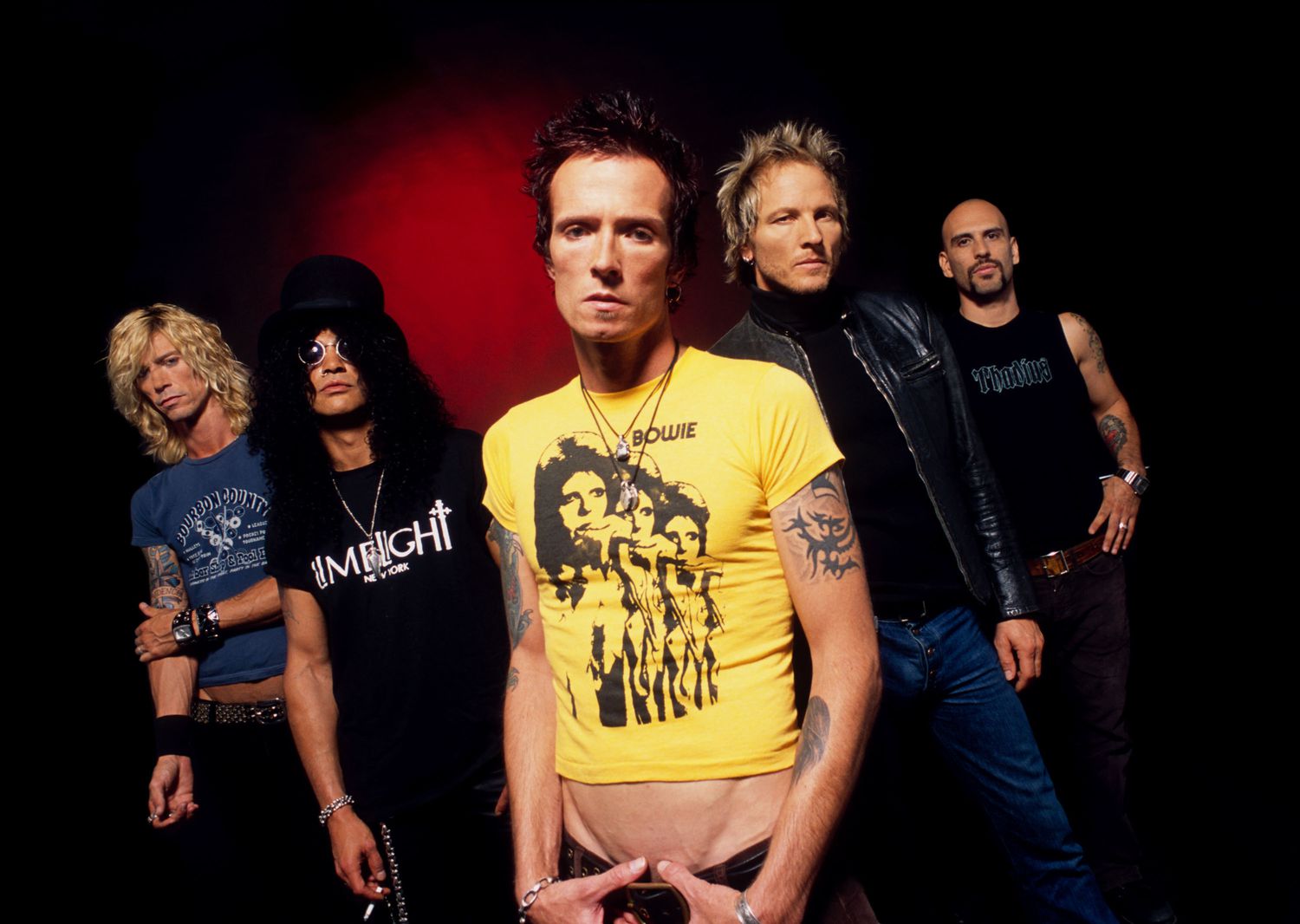
The classic lineup reunited in 2008 and released a self-titled album in 2010. The reunion suggested the band still had unfinished business. But stability did not last. In 2013, STP fired Weiland. It was the first major lineup break in the band’s history.
Lawsuits followed over the band name, though the DeLeos and Kretz ultimately retained the right to continue as Stone Temple Pilots.
After that, the band moved through a difficult but important transition. Chester Bennington of Linkin Park joined for a period, bringing a different energy and recording the High Rise EP with them.
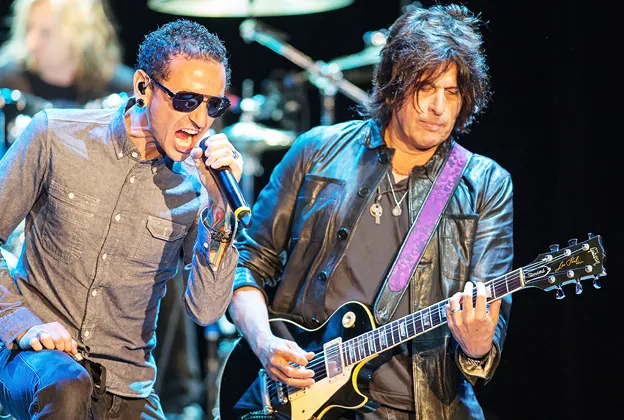
That version of the band did not last long, but it showed that the remaining members were serious about continuing instead of simply becoming a legacy act tied to one era.
After Bennington’s departure, they eventually found Jeff Gutt, who became their next long-term singer. With him, they released a second self-titled album in 2018 and Perdida in 2020.
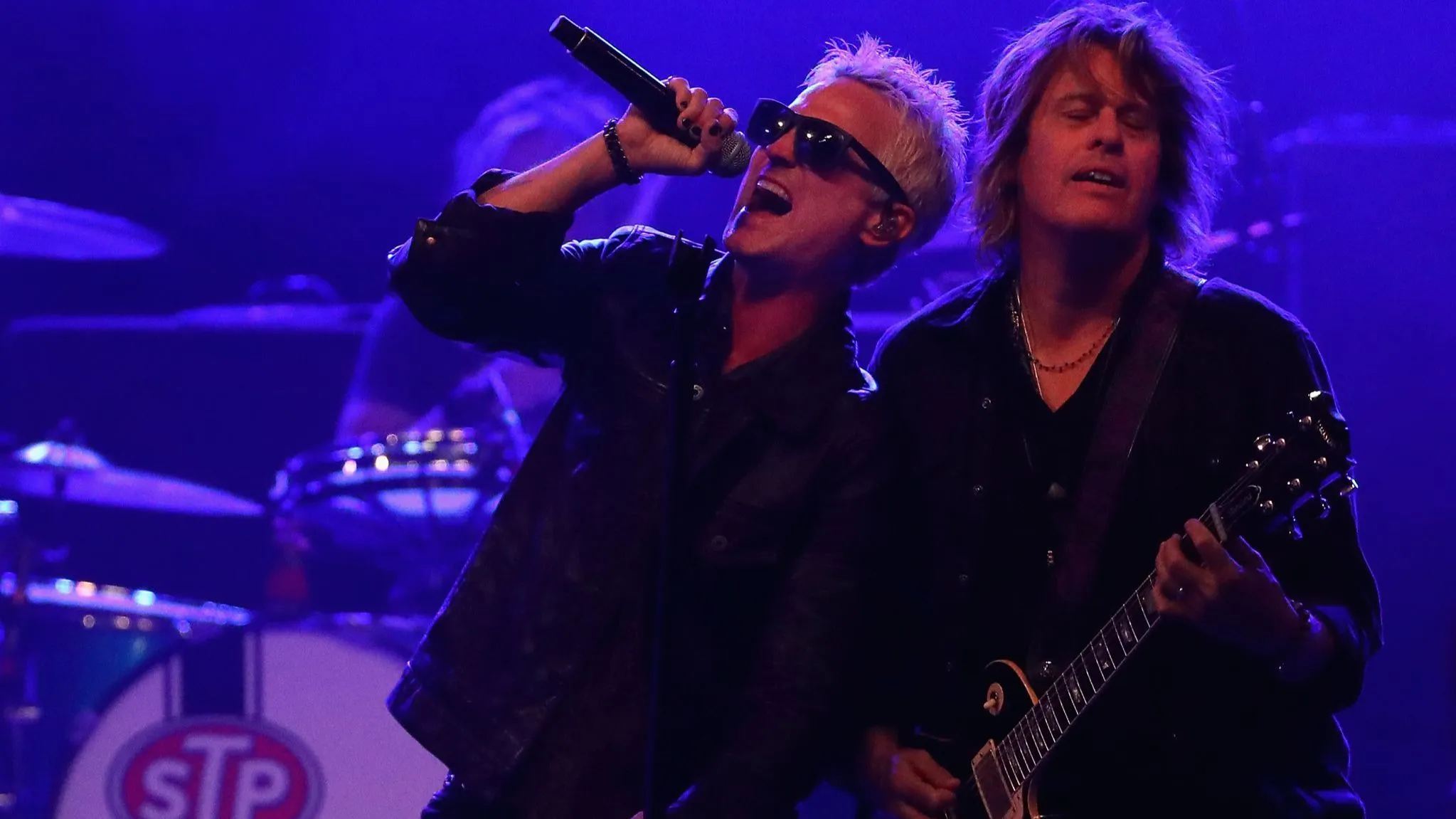
Scott Weiland’s death in 2015 closed the most famous chapter of the band’s story. There is no way around the fact that he was central to their identity. His voice, stage presence, and shape-shifting style made him one of the most memorable frontmen of the 1990s.
But the band’s survival after him also says something important about STP. Dean DeLeo, Robert DeLeo, and Eric Kretz were never just backing players around a troubled singer. They were the musical engine of the band from the start.
That is why the legacy of Stone Temple Pilots has improved with time.
They were not only a band that arrived at the right moment. They were a band with stronger songwriting than early critics admitted. They had range. They could write heavy rock songs, radio hooks, psychedelic detours, and more melodic material without losing identity.
The DeLeo brothers brought deep musical knowledge into the band. Kretz gave the rhythm section flexibility. And Weiland, when focused, could adapt his voice and persona in ways few frontmen could.
That is the fuller story.
Stone Temple Pilots started in the orbit of grunge.
They did not stay there.